60 30 10 Rule Design
:max_bytes(150000):strip_icc()/yellow-bedroom-58a6b9c05f9b58a3c9d90ae1.jpg)
How To Use The 60 30 10 Color Rule In Your Home
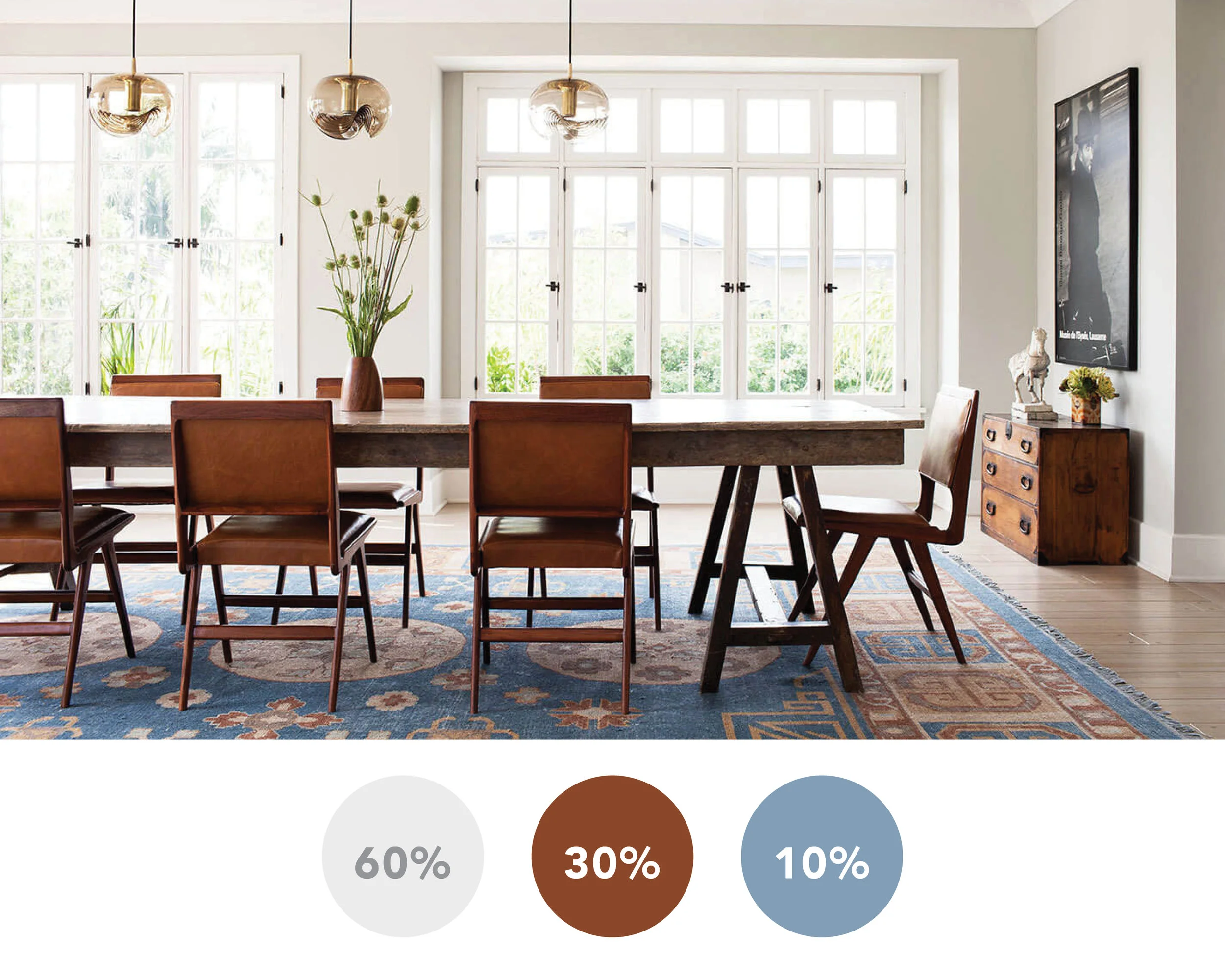
Color Your Room With Confidence The 60 30 10 Rule The Fairmount Flat
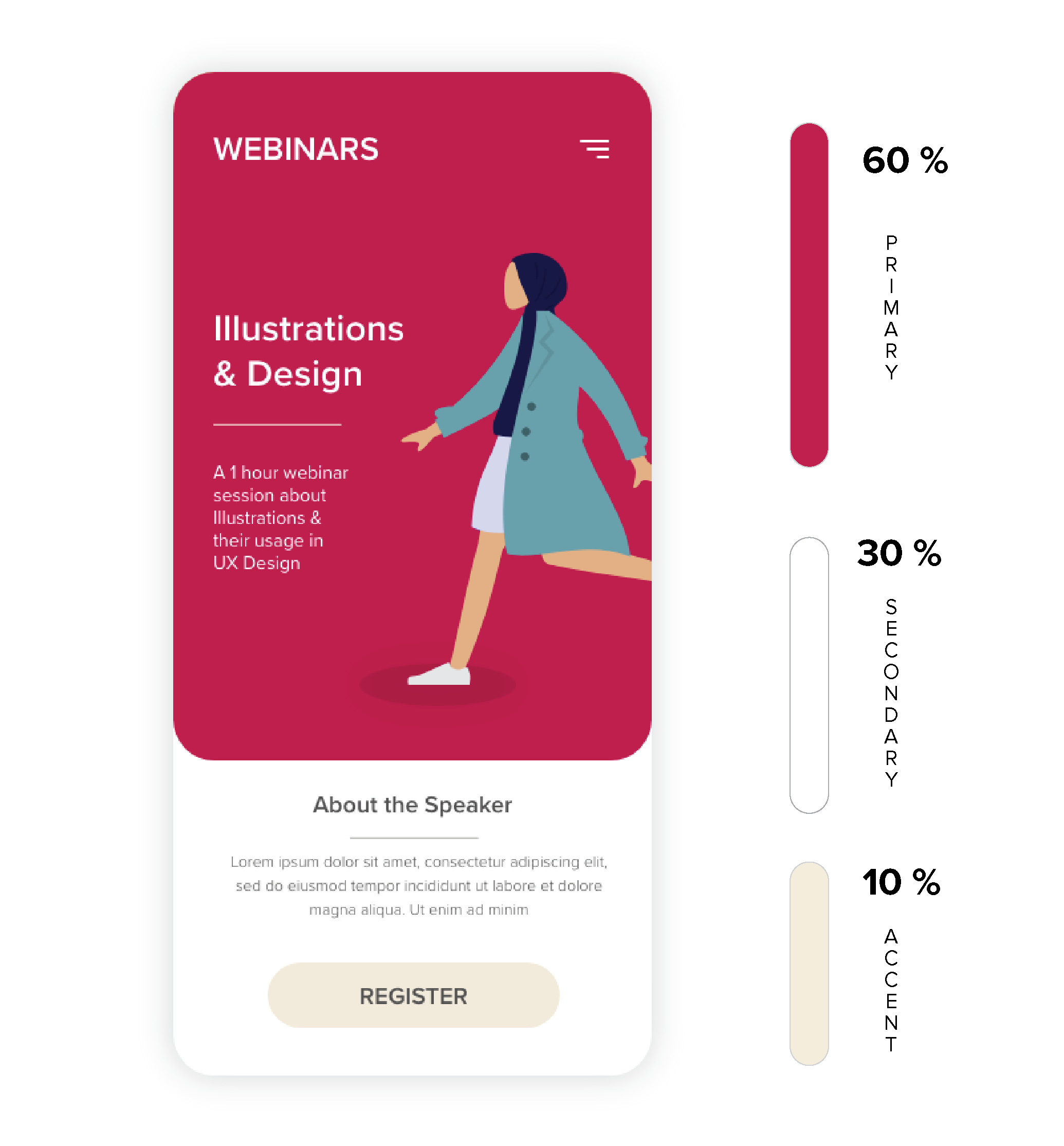
Ui Color Game How To Play With Colors For A Balanced By Daiveekram J Medium
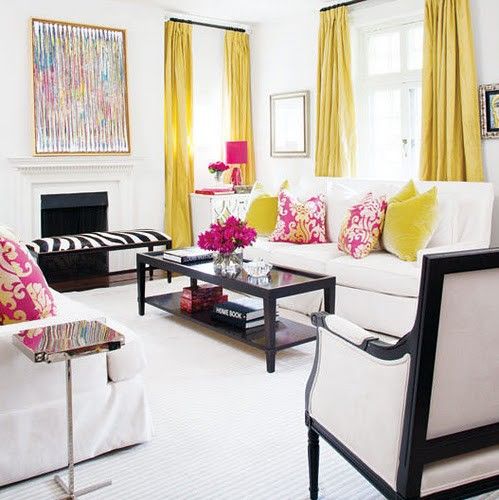
60 30 10 Rule In Home Decor 25 Ideas Digsdigs
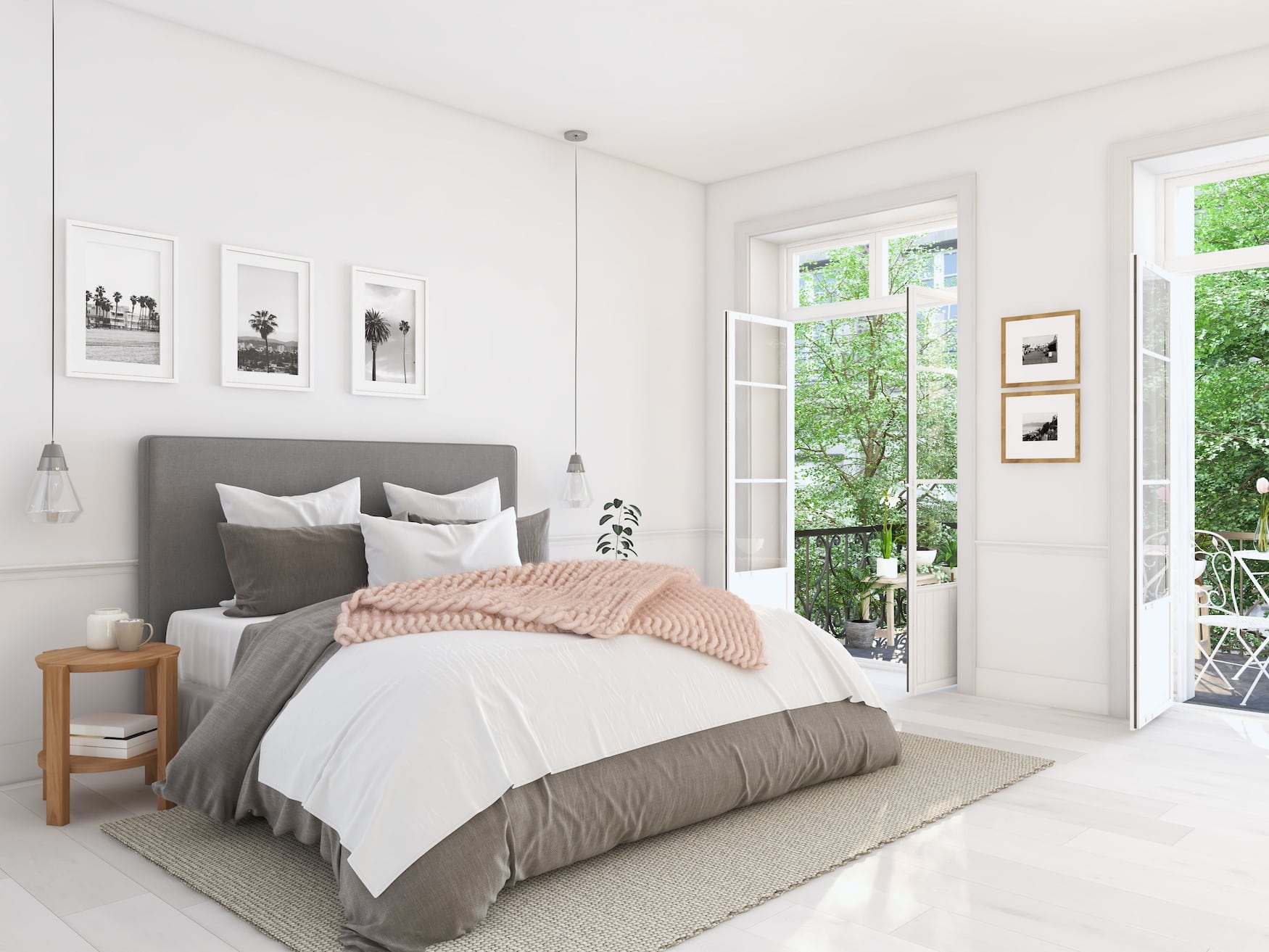
The 60 30 10 Color Rule Welsh Design Studio
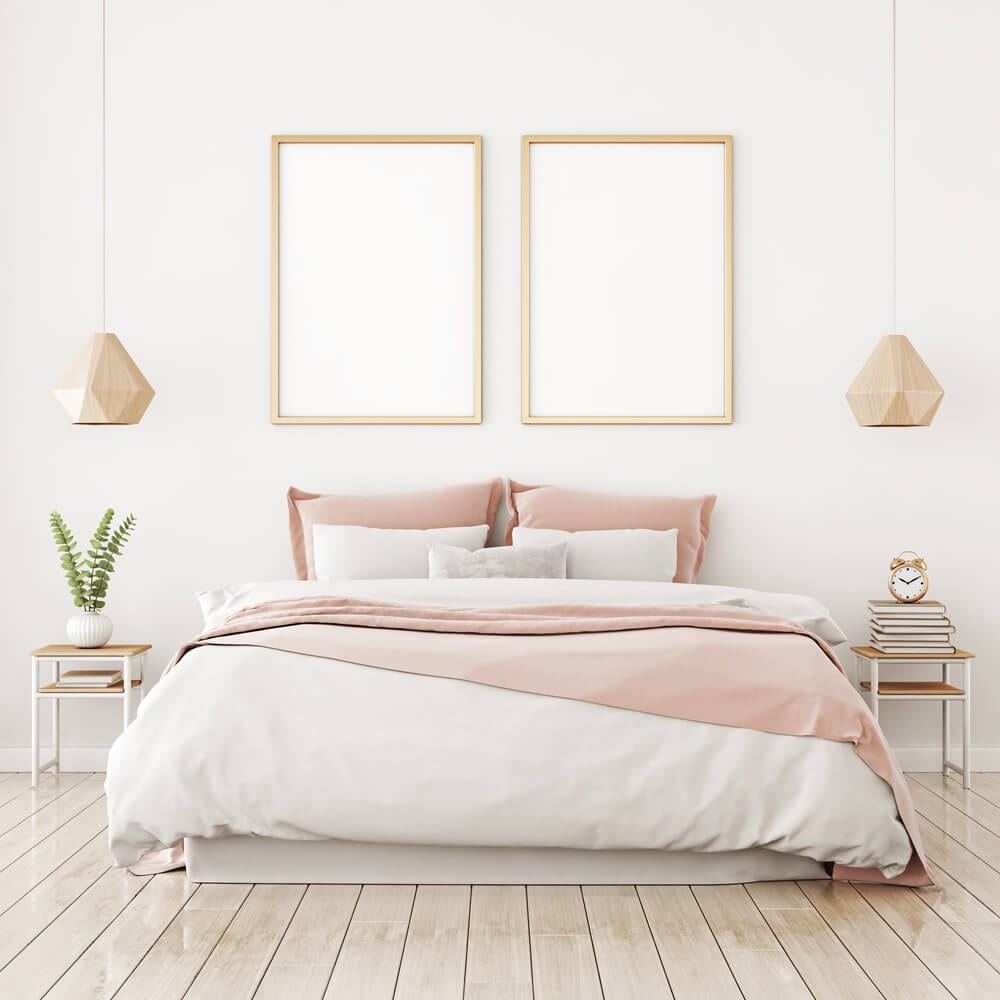
These Are The 4 Color Rules That Every Interior Design Fan Needs To Know
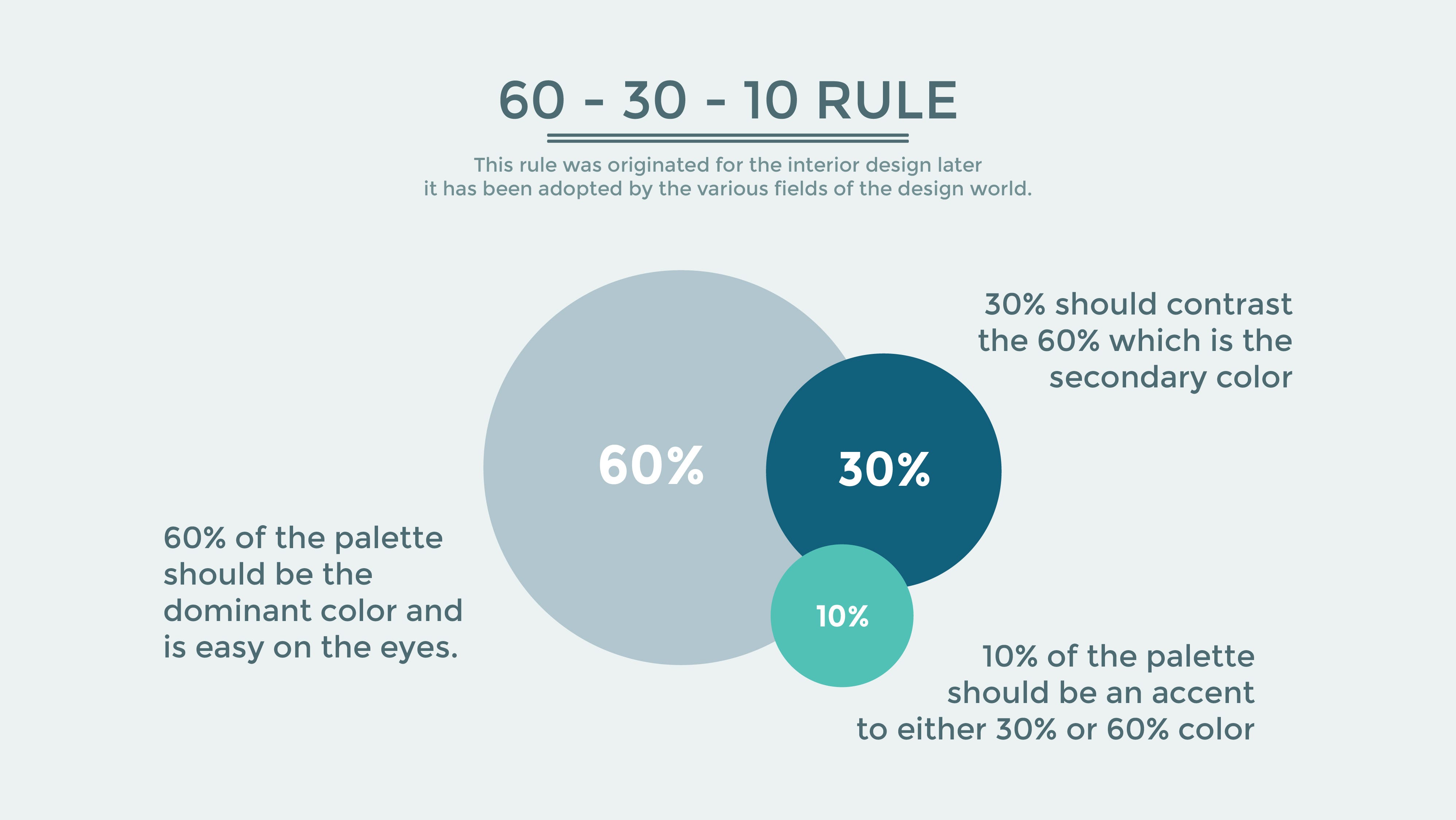
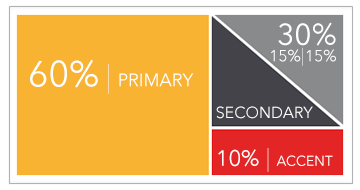
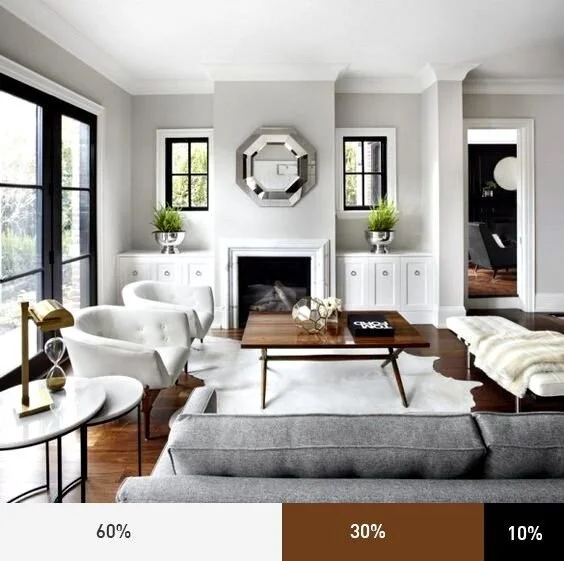
60% of a room can be filled with a dominant colour, 30% with a secondary colour, and 10% with one or two accent colours.

60 30 10 rule design. Simply put, the rule is a guide to help ensure the right distribution of color when decorating your home What it means is that 60% of your space should be one color, 30% of the space should be a secondary color and 10% should be an accent color But, before you can successfully apply this rule, you have to have a color palette. This rule sets a structure that gives you a better idea of which tasks are worth doing at what time of day 60% is the top tier, 30% is the midtier, and 10% is the lower tier. The rule breaks down the percentages of each color that should be applied to the room in order to create a unified look Pick three colors—either complementary (colors that sit across from each other on the color wheel) or analogous (colors that sit next to each other on the color wheel)—and decide which would work as a dominant.
The rule The rule is any interior design fan’s best friend No matter what your personal aesthetic may be or what you want your room to look like, you can use this rule to help make sure that your color palette stays balanced In this setup, you’ll use three colors 60, 30 and 10 refer to the percentages of your design. Have you heard of the 60/30/10 rule?. The 30/60/10 principle for content on social media looks like this 30% of your content should be owned by your brand, 60% should be curated by your brand, and the remaining 10% should be self.
The rule is simply a guideline to help you create the perfect color combinations David Harris, Design Director at Andrew Martin , shares his top tips on applying the design rule 'The first element of considering the rule and any design scheme is to approach the walls – there is more wall than anything else in any scheme, so adding interest here is key. This formula works because it creates a sense of balance and allows the eye to move comfortably from one focal point to the next. Rule is a principle of decorating that helps balance a color scheme in a space Most of the time, you’ll want to use this rule in your designs Choose a dominant color that will take up about 60% of your design, a secondary color for about 30%, and an accent color for the final 10%.
60% of a room can be filled with a dominant color, 30% with a secondary color, and 10% with one or two accent colors That’s the living room color plan!. If you are working on the colour scheme for your interiors, then you should be familiar with the concept of a classic decorating rule of 60 30 10 To put this simply it means to achieve harmony. The 7010 Model for Learning and Development is a commonly used formula within the training profession to describe the optimal sources of learning by successful managers It holds that individuals obtain 70 percent of their knowledge from jobrelated experiences, percent from interactions with others, and 10 percent from formal.
What is the Rule?. The rule – and how to use it to balance a color palette Homes & Gardens Ruth Doherty The rule is a little niche – but then we at H&G are, by our own admission and quite contentedly, design nerds. There exist a color formula that will give your interior a harmonious look This is a way to combine three colors in the interior decor, and they won’t look excessive, they will be interesting and organic Let’s have a look at some examples you may try to fit the formula and get a stylish look 60% Is The Main Color.
The rule The rule is any interior design fan’s best friend No matter what your personal aesthetic may be or what you want your room to look like, you can use this rule to help make sure that your color palette stays balanced In this setup, you’ll use three colors 60, 30 and 10 refer to the percentages of your design that each will make upHere’s how it works first, you’ll choose one shade to be your dominant shade and take up approximately 60 percent of the room. It's a triedandtrue formula from interior design experts 60 percent of the room should be a dominant color, 30 percent of the room should be a secondary color and 10 percent should be the accent color!. Have you heard of the 60/30/10 rule?.
A design ‘rule of thumb’ to create a space that flows is to use the color rule This combination of colors creates rooms that are cohesive and visually interesting So how does the rule work?. How To Choose Colors The 60/30/10 Color Hack Illustration Tips LEARN PROCREATE ON SKILLSHARE https//sklsh/31RCB8y LEARN PROCREATE ON UDEMY http//bit. It's a handy little tip to help you decorate your home in a beautifully balanced way that covers everything from paintin.
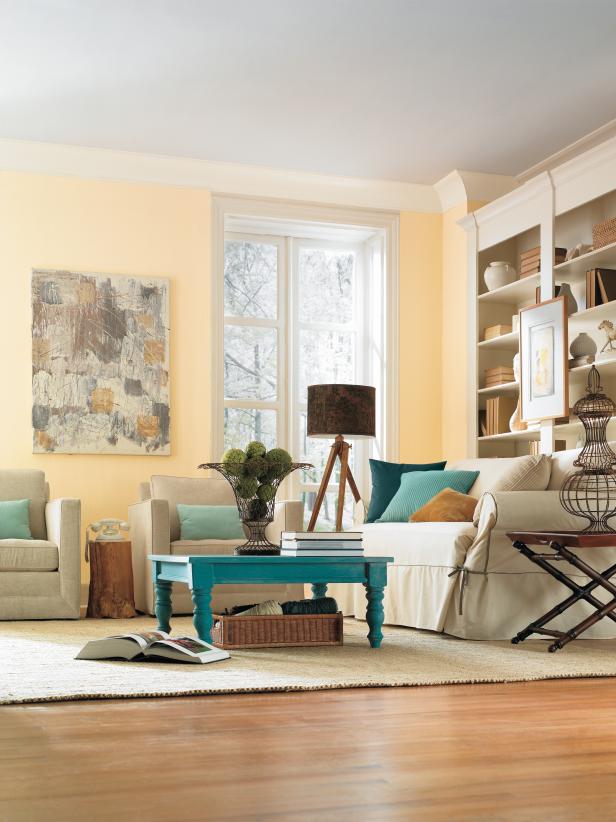
What is the Rule?. Simply put, the rule is a guide to help ensure the right distribution of color when decorating your home What it means is that 60% of your space should be one color, 30% of the space should be a secondary color and 10% should be an accent color But, before you can successfully apply this rule, you have to have a color palette. Design 101 Color Theory 101 Analogous, Complementary and the Rule Interior designers and color experts share tips for harnessing the transformative power of paint to create interiors that are balanced, sophisticated and livable.
Because we’re more interested in room design than math, the rough numbers will do) Using some fuzzy math, interior designers have further broken down the 40 percent part of the ratio to create the 60/30/10 rule The Golden Ratio applies to the relationship between two elements The 60/30/10 rule applies to the relationship between three elements. Perhaps the oldest interior design rule, the divides a color scheme into percentages of color use 60% Main Color The main color should represent 60% of color used in your room design This typically includes the wall color, floor color (either carpeting or an area rug), and a furniture piece or two. The rule – and how to use it to balance a color palette Homes & Gardens Ruth Doherty The rule is a little niche – but then we at H&G are, by our own admission and quite contentedly, design nerds.
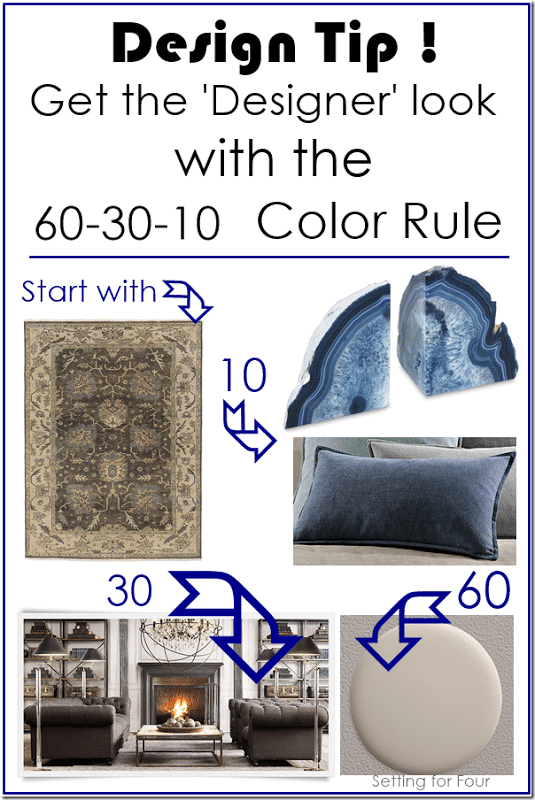
It's a classic decor rule that helps create a color palette for a space It states that 60% of the room should be a dominant color, 30% should be the secondary color or texture and the last 10% should be an accent How to Use the Rule?. Design Tip // The Color Rule How does the rule work?. It's the Rule!.
60–30–10 Rule This interior design rule is a timeless decorating technique that can help you put a color scheme together easily The 60% 30% 10% proportion is meant to give balance to the colors This formula works because it creates a sense of balance and allows the eye to move comfortably from one focal point to the next. 60% is your dominant hue, 30% is secondary color and 10% is for accent color This rule helps you create a proper and wellbalanced color application for your design The idea here is simply dedicating the 60% of the palette to one color (usually, it’s a neutral color), another (complementary) color makes up 30% of the palette, and a third color (accent) is used for the remaining 10% of the design. 18k members in the RedecorHomeDesignGame community A sub for fans of the mobile app Redecor Home Design Makeover Press question mark to learn the rest of the keyboard shortcuts Log In Sign Up User account menu 9 Color Rule How to Use It, and How to Break It Close 9 Posted by 8 days ago Color Rule How to Use.
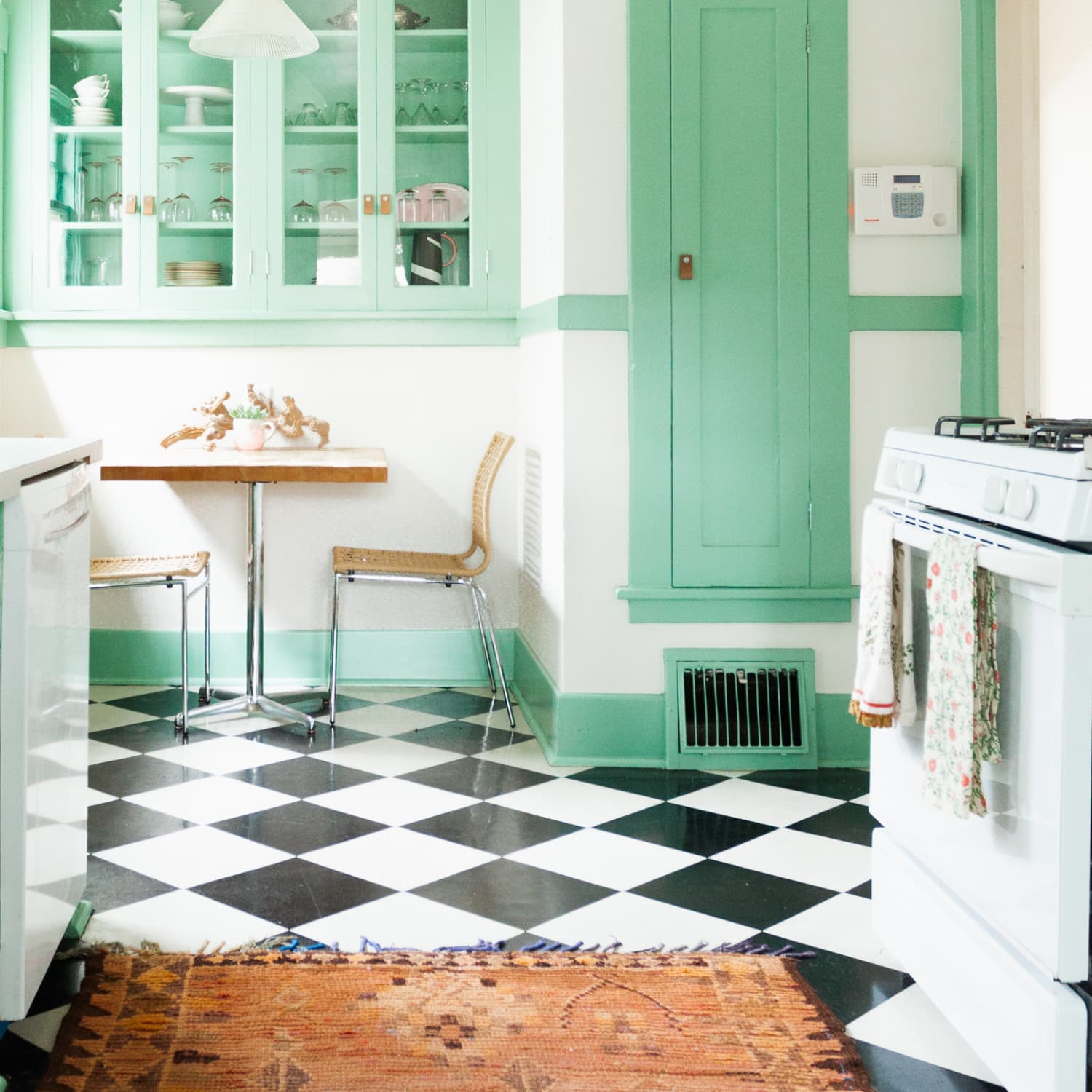
The percent color rule can help you achieve a pleasing blend of hues, especially in a kitchen design that includes sage green In a busy workspace that's all about food prep and family,. The rule is a very easytofollow approach that designers often use to create wellbalanced rooms using color The Rule This concept follows the classic rule of three (which is also used in everything from marketing, to floral arrangements, to writing). Thoughtcapable artificial beings appeared as storytelling devices in antiquity, and have been common in fiction, as in Mary Shelley's Frankenstein or Karel Čapek's RUR These characters and their fates raised many of the same issues now discussed in the ethics of artificial intelligence The study of mechanical or "formal" reasoning began with philosophers and mathematicians in antiquity.
We call it the “ Rule” The idea is this Place the major part of your team leadership energy—60%–where it will have the most impact;. The rule states that for the most balanced, appealing look, you should choose a threecolor palette for decorating a room, and use it as follows Decorate 60% of the room with the dominant color Decorate 30% of the room with the secondary color Use the remaining color as an accent in 10% of the space. The Rule The Rule is a simple theory for creating color palettes that are wellbalanced and visually interesting The idea is that one color—generally something fairly neutral (either literally or psychologically)—makes up 60% of the palette Another complementary color makes up 30% of the palette.
Very simple and so useful, the decorating rule is a basic rule of the color application during interior design Let's define the rule before we talk about breaking them The rule implies About 60% of the space should be the dominant color Around 30% should be represented by the secondary color. Is a timeless decorating rule that can help you put a color scheme together easily The 60 percent 30 percent 10 percent proportion is meant to give balance to the colors used in any space This concept is incredibly simple to use Here’s How to Use the Rule. Rule in Graphic Design A simple way to create your brand’s color scheme is rule According to this rule, you need to choose three different colors and use them in proportions of 60%, 30%, and 10% In this case, your 60% is the main color for your brand, for example, the color you use for advertisement backgrounds.
Narrator When it comes to visual design in anyscenario, there's a basic rule that can be appliedto create a good looking end resultIt's called the RuleIf you think about furniture in a room and the colorsthat are used to decorate a single roomYou can use the Rule, where one coloris used 60% of the. The rule is a design strategy that involves three color ratios Essentially, 60 percent of your room is dominated by one neutral color, 30 percent goes to your secondary color and, finally, 10 percent goes to your accent colors Here’s the most common way to use the rule 60% – paint or wallpaper. The rule refers to using your main, focal color in 60 percent of your space (on the walls, in big pieces of furniture, in the rug), a secondary color in 30 percent of your space (in.
It's a classic decor rule that helps create a color palette for a space It states that 60% of the room should be a dominant color, 30% should be the secondary color or texture and the last 10% should be an accent How to Use the Rule?. It's a handy little tip to help you decorate your home in a beautifully balanced way that covers everything from paintin. The 60% is the overall color of the room, the background color if you will.
The next most energy—30%–where it will build on the solid foundation of the 60 Spend the last 10% on the realtime work of coaching the team So, what is the 60?. You should not use equal amounts of the three colors An old designer's rule is to divide the colors into percentages of 60, 30, and 10 The primary color should cover about 60% of the space and create the overall unifying theme of the design Then add about 30% of the secondary color to create contrast and visual interest Finally use about 10% of the accent color to provide that final touch of elegance. It's a handy little tip to help you decorate your home in a beautifully balanced way that covers everything from paintin.
There is a rule in design that we often follow called the Rule This means, in devising a three color palette you would use 60% of one color, 30% of another and 10% for the rest To apply of this simple rule in exterior architectural color, the body color would be 60%, the trim 30% and/or the front door/accent color would be 10%. Using some fuzzy math, interior designers have further broken down the 40 percent part of the ratio to create the 60/30/10 rule The Golden Ratio applies to the relationship between two elements The 60/30/10 rule applies to the relationship between three elements. Not only is it a great rule to know, but it can really help you pull a room together with color The Color Rule The rule is meant to balance out the colors used in your space in a pleasing way, by assigning percentages to the colors that you use Here’s the rule 60% main color 30% secondary color 10% accent color = FABULOUS!.
Our staff can't provide legal advice, interpret the law or conduct research You may be able to obtain assistance from a lawyer or paralegal. Apr 26, 18 Explore Betsy Kersey's board "Color Rule", followed by 116 people on See more ideas about design, interior design, interior design tips. Have you heard of the 60/30/10 rule?.
60 % teal, 30 % red, 10 % gold. To visualize this in use, think of a man in a business suit 60% is the slacks and jacket, 30% is the shirt, and 10% is the tie The Rule helps to visually organize color, keeping your design be it print or web, from getting cluttered and confusing with too much color usage.
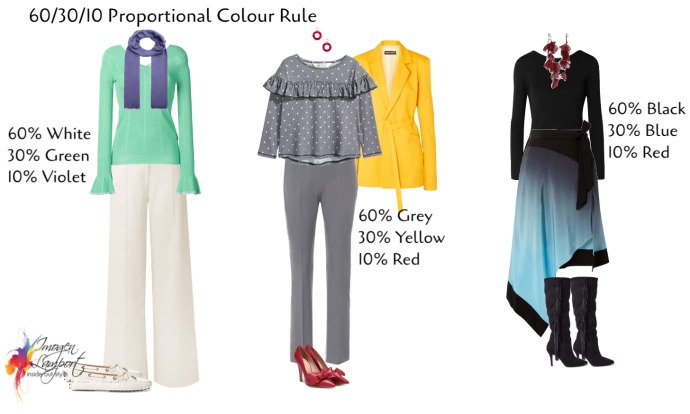
Using The 60 30 10 Rule To Create Fabulous Colour Combinations In Your Outfits
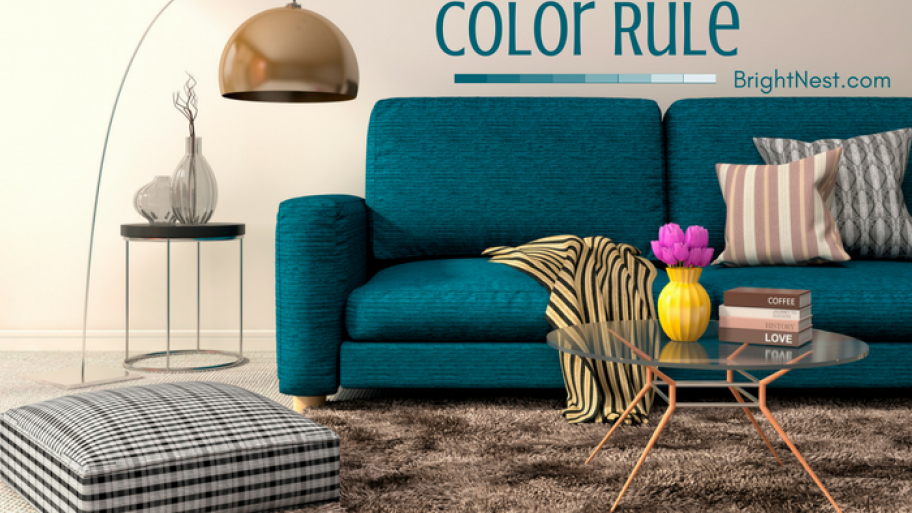
Quick Design Tip 60 30 10 Color Rule Angie S List

Interior Design Color Theory Everything You Need To Know About The 60 30 10 Rule First Heritage Mortgage

Applying These Five Design Principles To The Home The National

The Key To Color Confidence The 60 30 10 Rule Apartment Therapy

Color Psychology And 60 30 10 Rule In Graphic Design
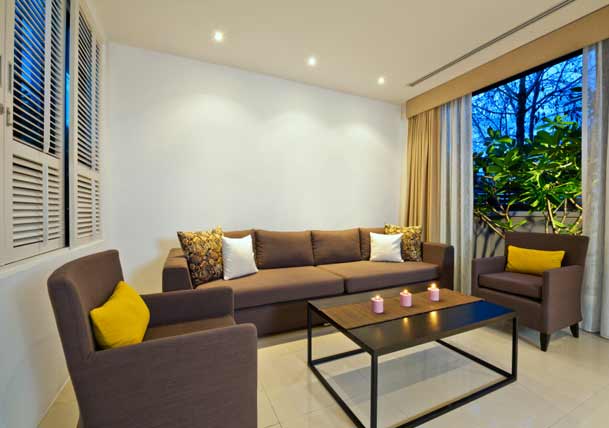
Think Like An Interior Designer Following The 60 30 10 Rule Best Pick Reports

Color Your Room With Confidence The 60 30 10 Rule The Fairmount Flat

The Role Of Color In Ux Toptal
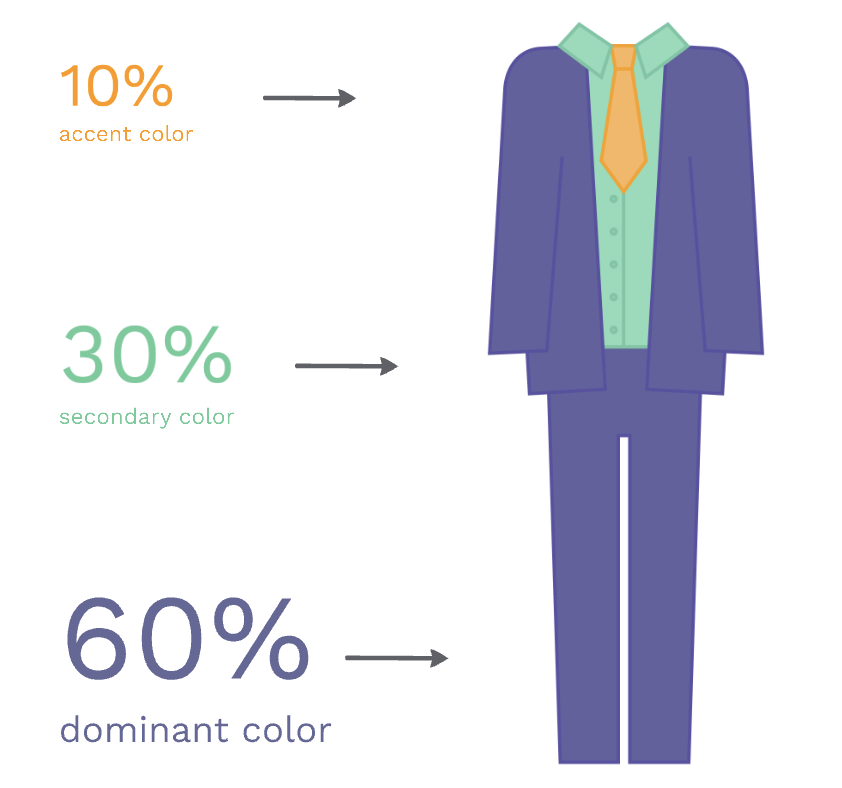
Designer Tips Volume 2 Color Mistakes 60 30 10 Rule

Passonno Paints Decorating Made Simple Interior Design Classes Design Decor

60 30 10 Rule Of Decorating This Is One Of My Favourite Colour Combinations Interior House Colors Interior Wall Colors Modern Home Interior Design
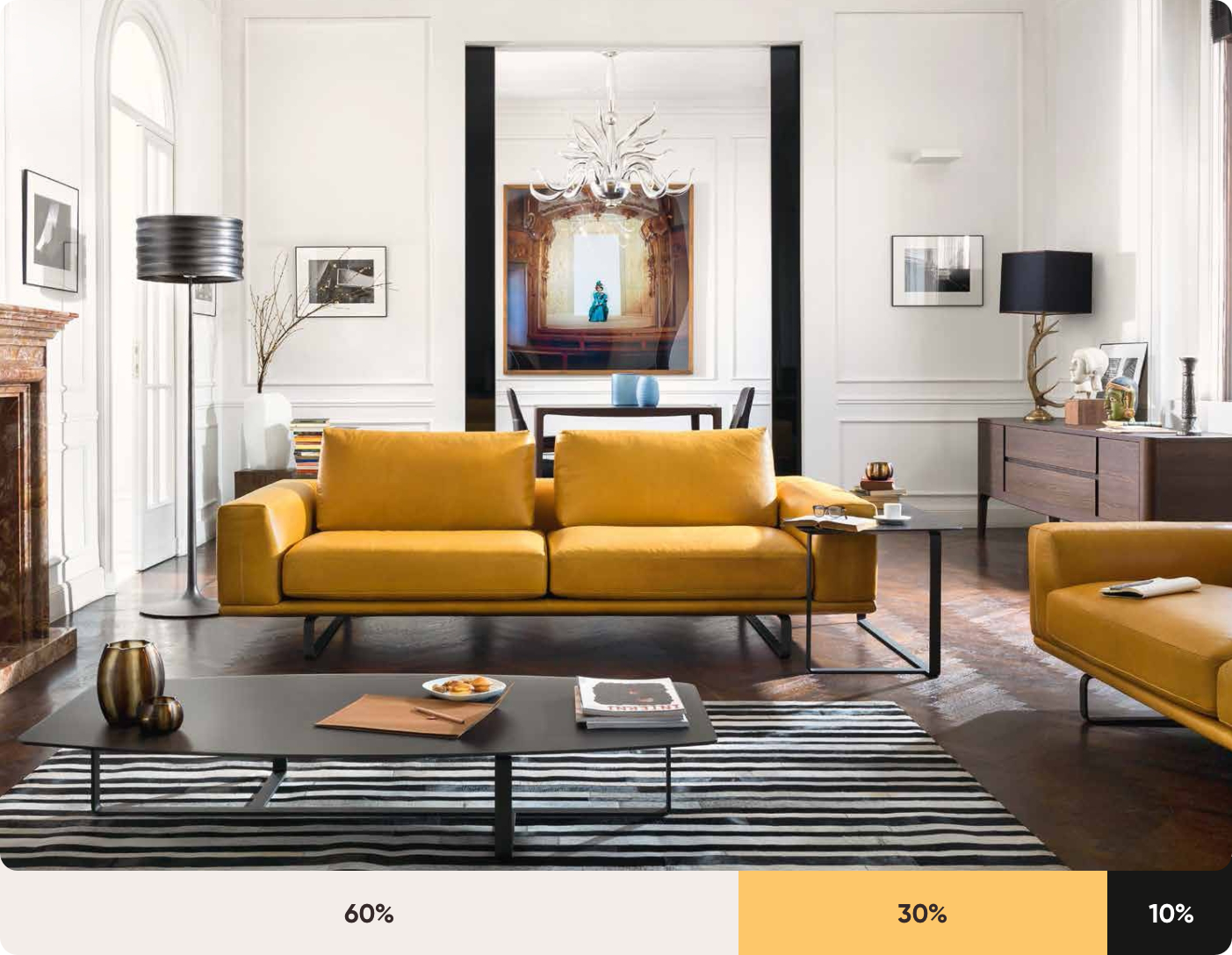
How To Use Colors In Ui Design Practical Tips And Tools By Wojciech Zielinski Prototypr

Color Matters 6 Tips On Choosing Ui Colors

60 30 10 Rule In Interior Design Decor Usage Elements Natty Decor

Looking To Get The Perfect Colour Mix Court Pioneer Company Facebook
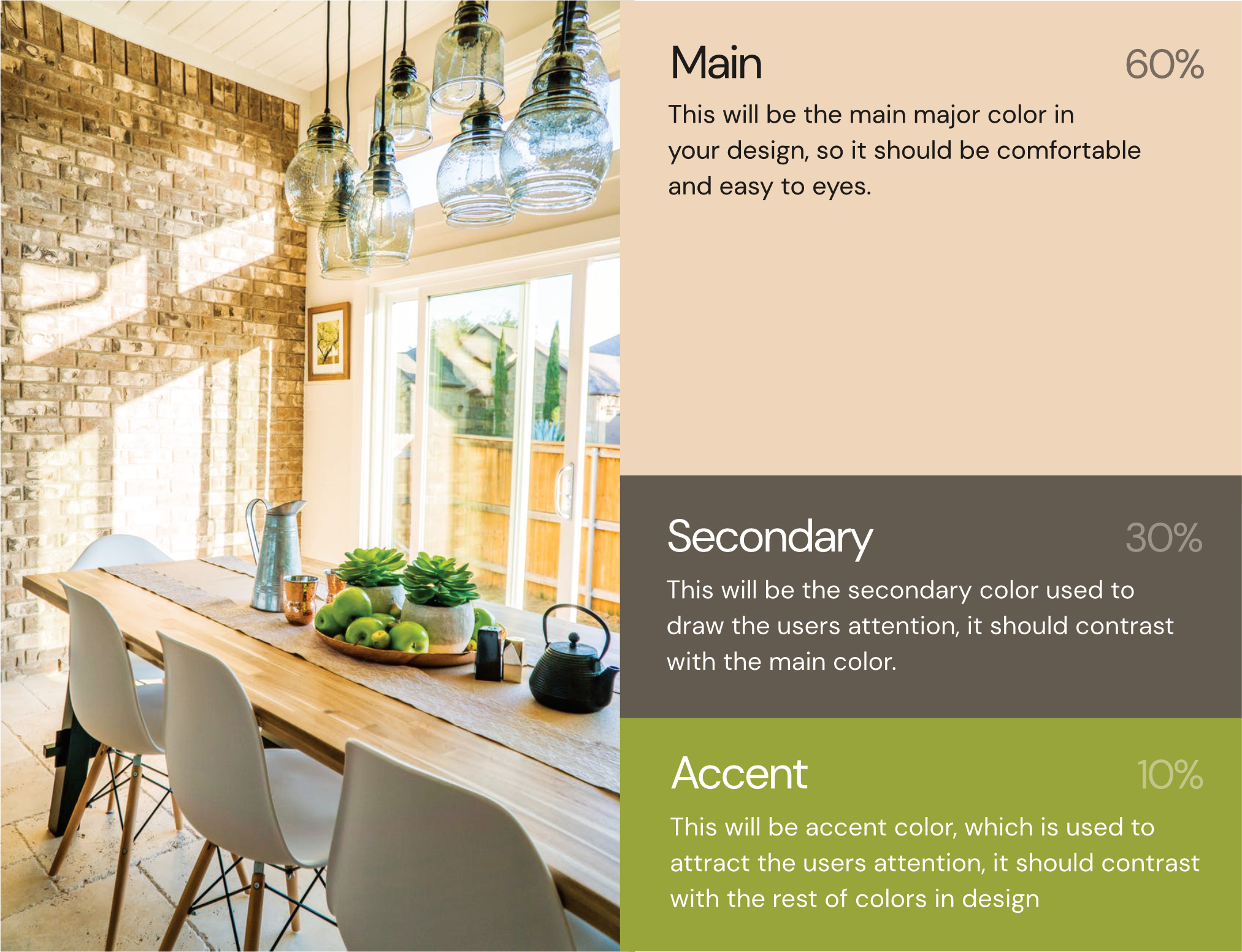
Mastering Colors In Ui Design Adding Colors To Your Design Can Be A By Kapil Moon Ux Collective
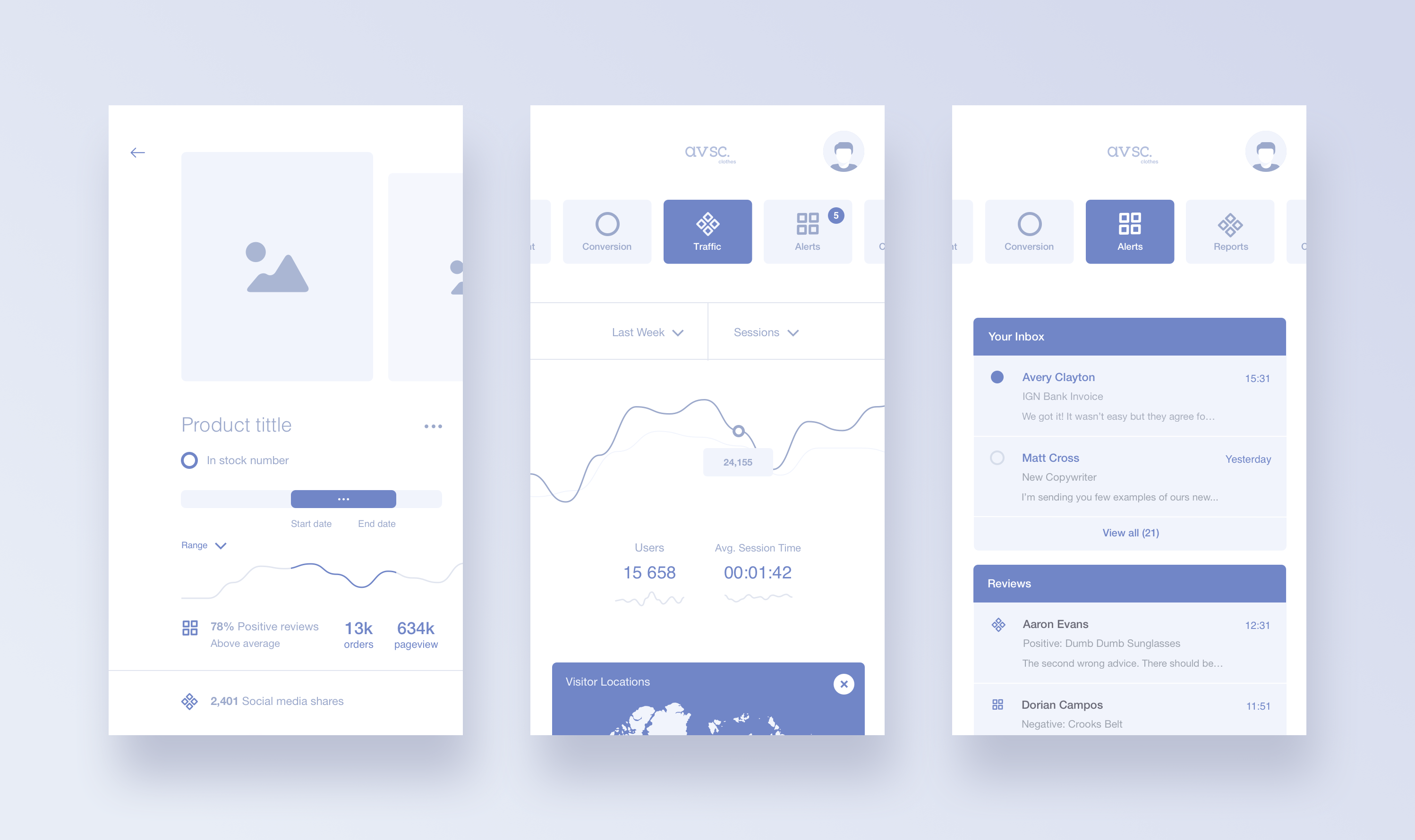
How To Use Colors In Ui Design Practical Tips And Tools By Wojciech Zielinski Prototypr
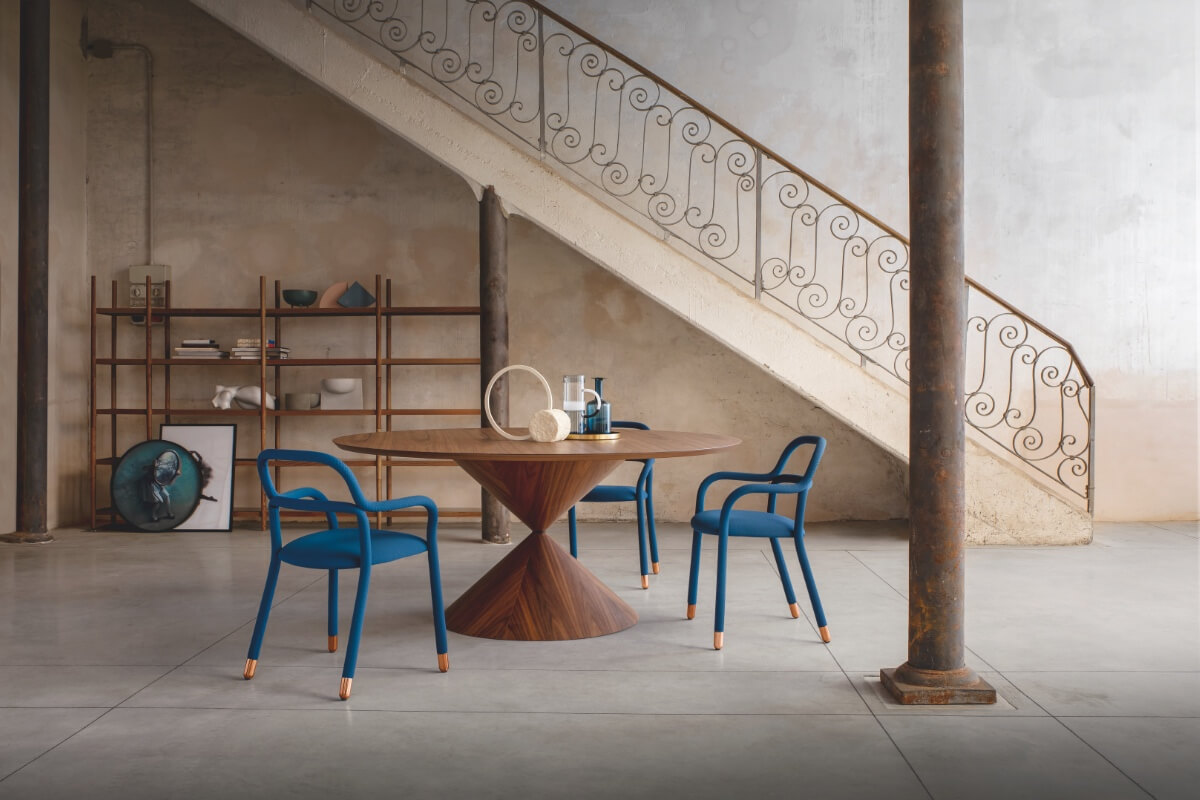
How To Use Color In Interior Design Don T Miss Our 4 Rules Midj In Italy

Infographic How To Use The 60 30 10 Color Rule Floor Coverings International North Jersey
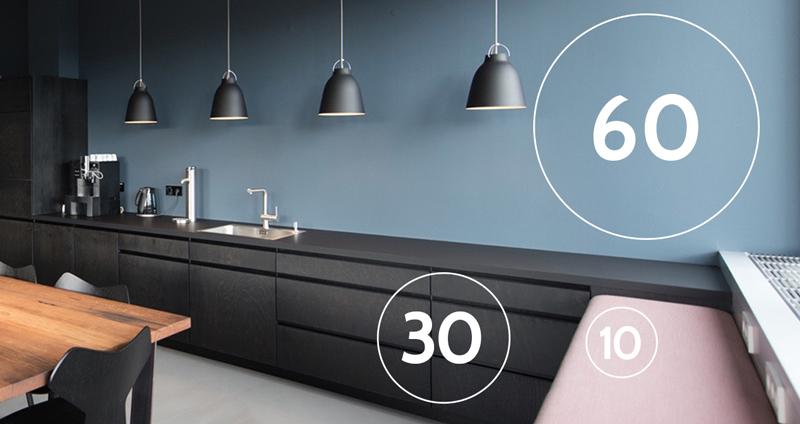
60 30 10 Rule Diamond Vogel
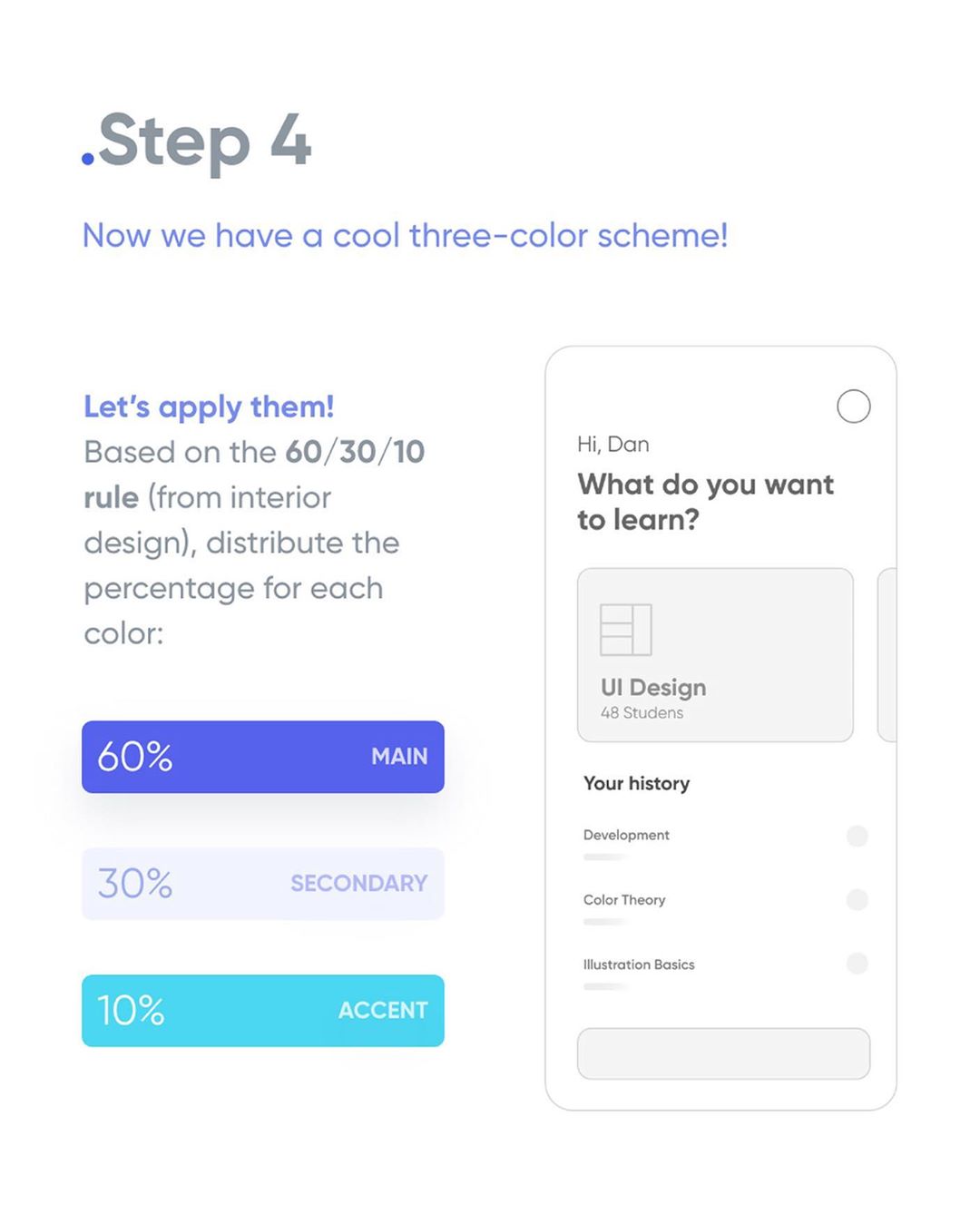
How To Create Color Schemes For Your Ui Design Using The 60 30 10 Technique

What Is The 60 30 10 Color Rule You Have To Try This In Your Home
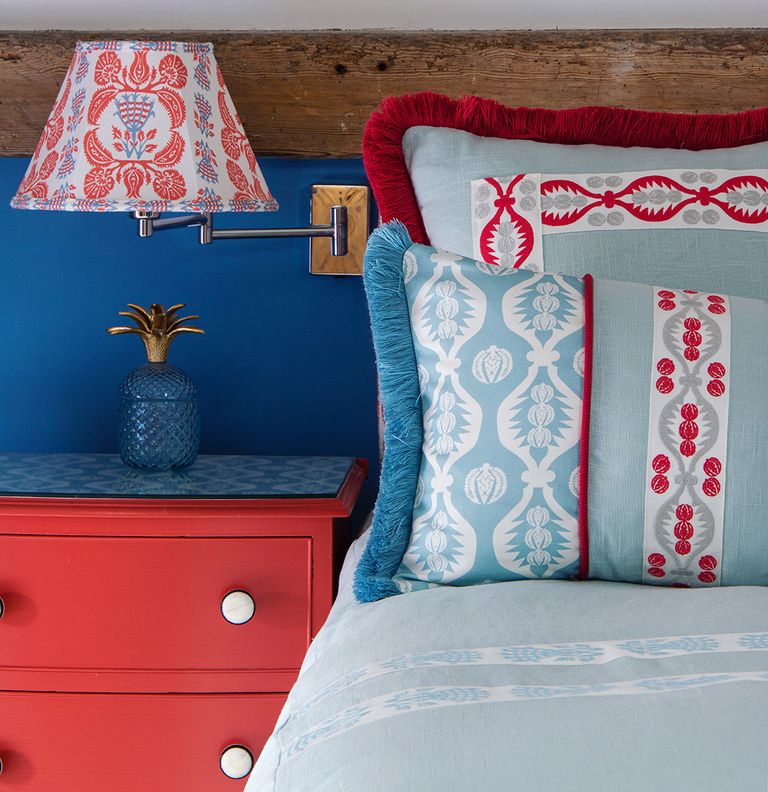
60 30 10 Rule What It Is And How To Include It In Interior Design Homes Gardens
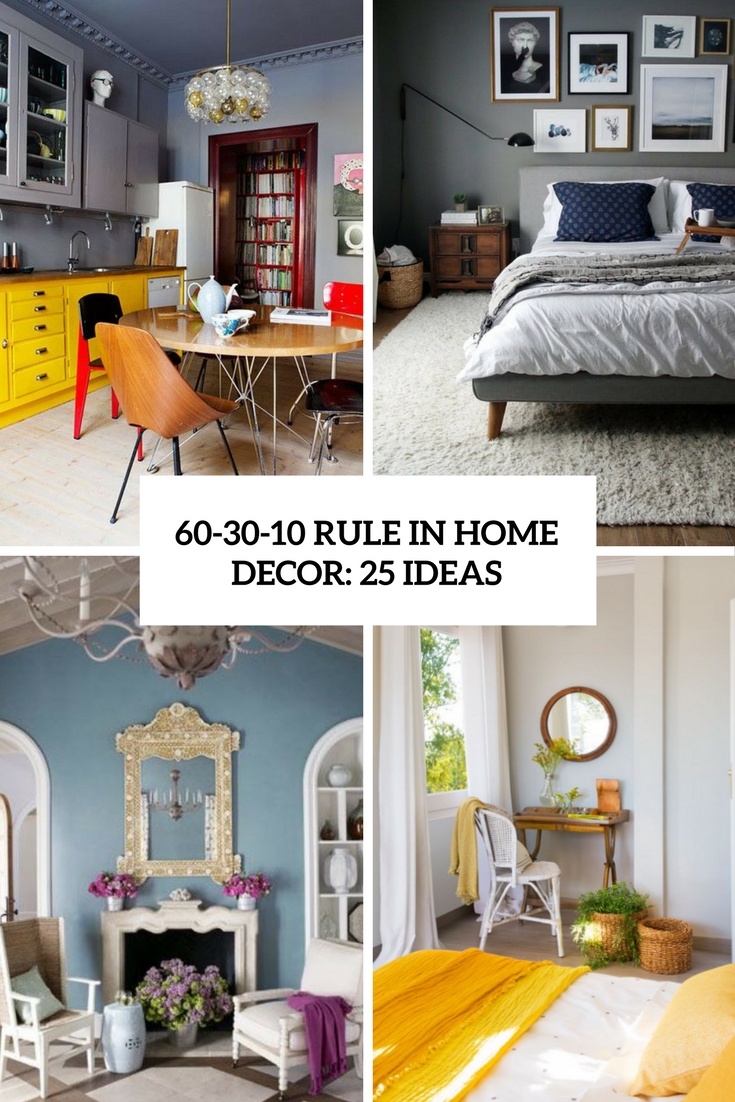
60 30 10 Rule In Home Decor 25 Ideas Digsdigs

The 60 30 10 Rule Mmicreative Com

How To Match Colors In Interior Design Lovetoknow

Balancing Your Colour Scheme With The 60 30 10 Rule Smartstyle Interiors

How To Choose The Perfect Interior Color Scheme The Best Pro Tips Part Ii Design Blog Oli Interior Desig Interior Color Schemes Interior Design Interior

The Ultimate Guide To Creating A Color System For Your Website And Business My Billie Designs

House Paint Design The 60 30 10 Rule Of Interior Designers Myboysen
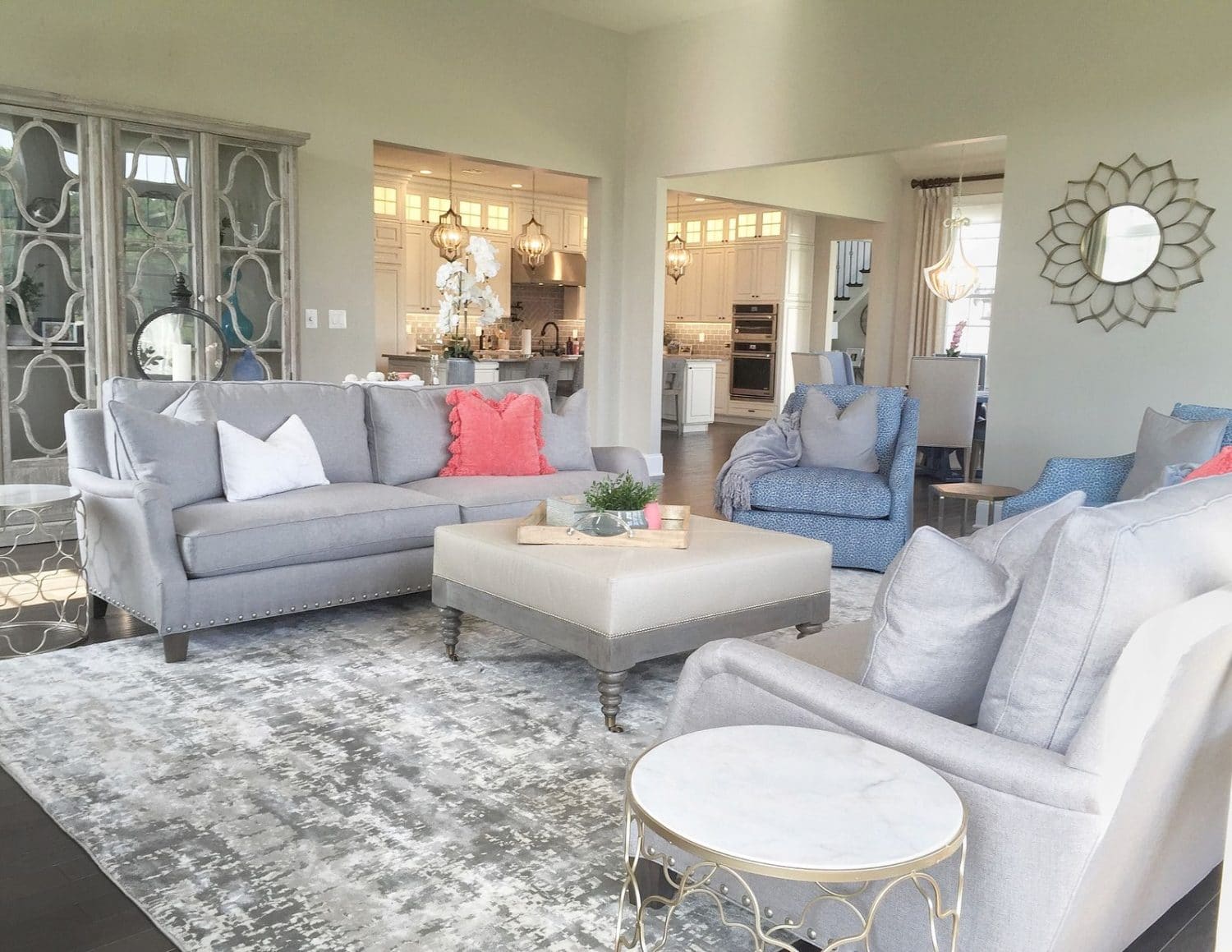
What Is The 60 30 10 Rule In Interior Design Evenflow Interiors

Color Palette Prototyping With The 60 30 10 Rule On Behance
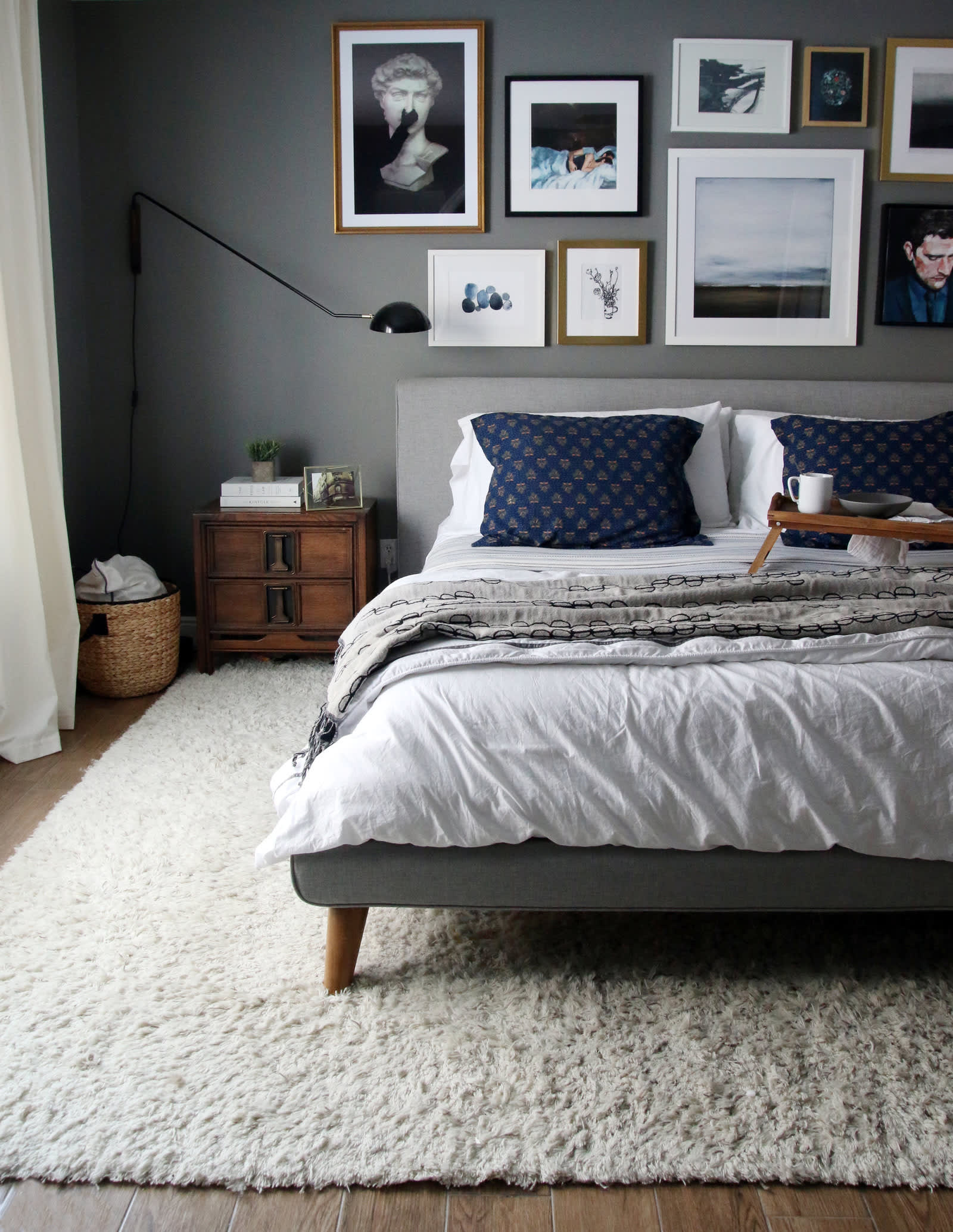
The Key To Color Confidence The 60 30 10 Rule Apartment Therapy

60 30 10 Rule Affordable Interior Design Design Rules Interior Design School
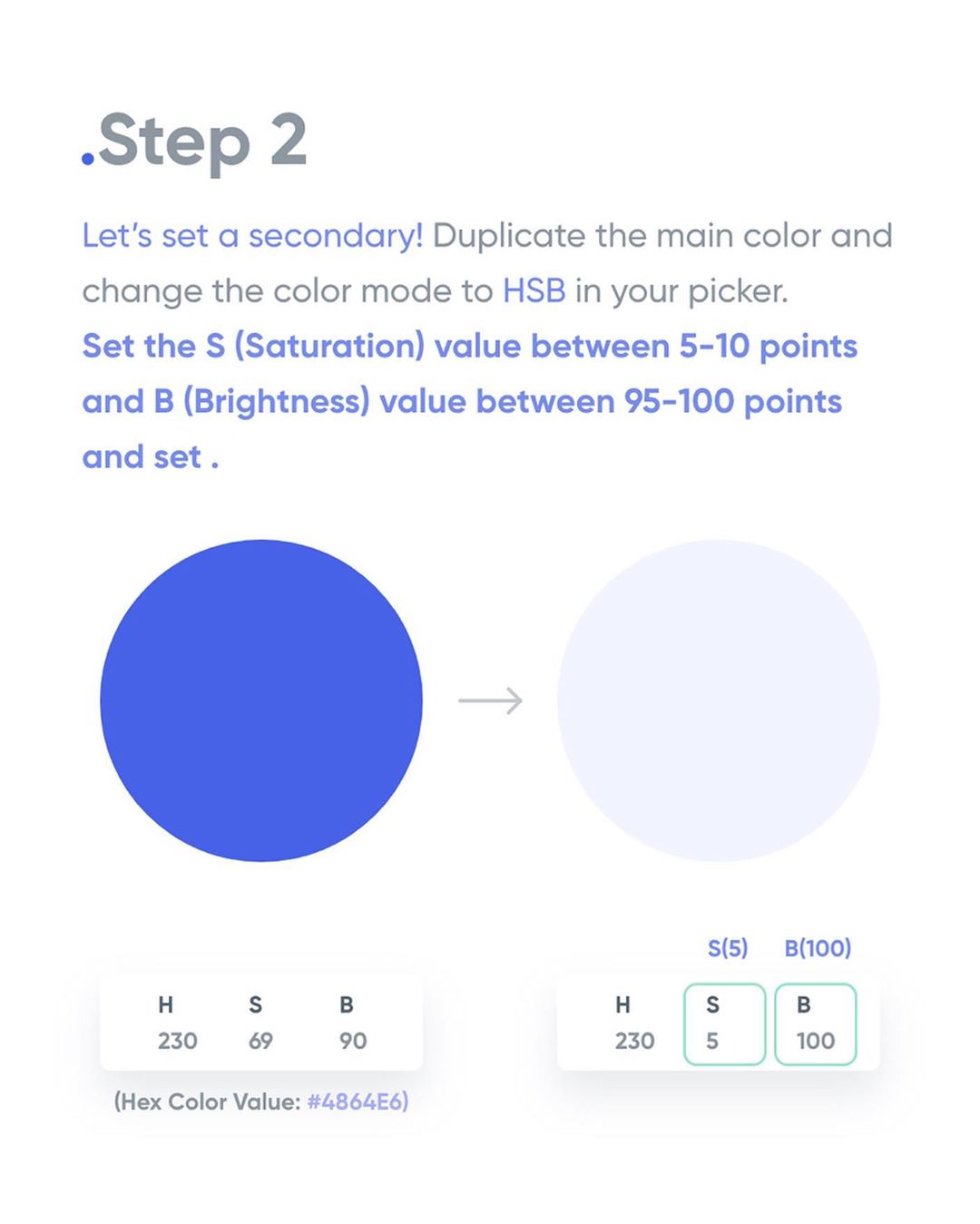
How To Create Color Schemes For Your Ui Design Using The 60 30 10 Technique
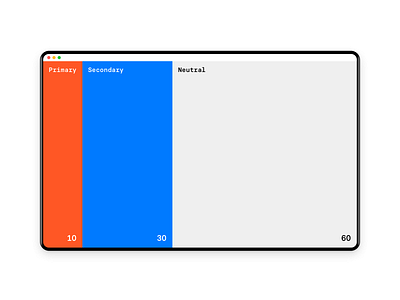
The 60 30 10 Rule By Yuri Kim On Dribbble
How To Balance Your Color Palette The 60 30 10 Rule Youtube
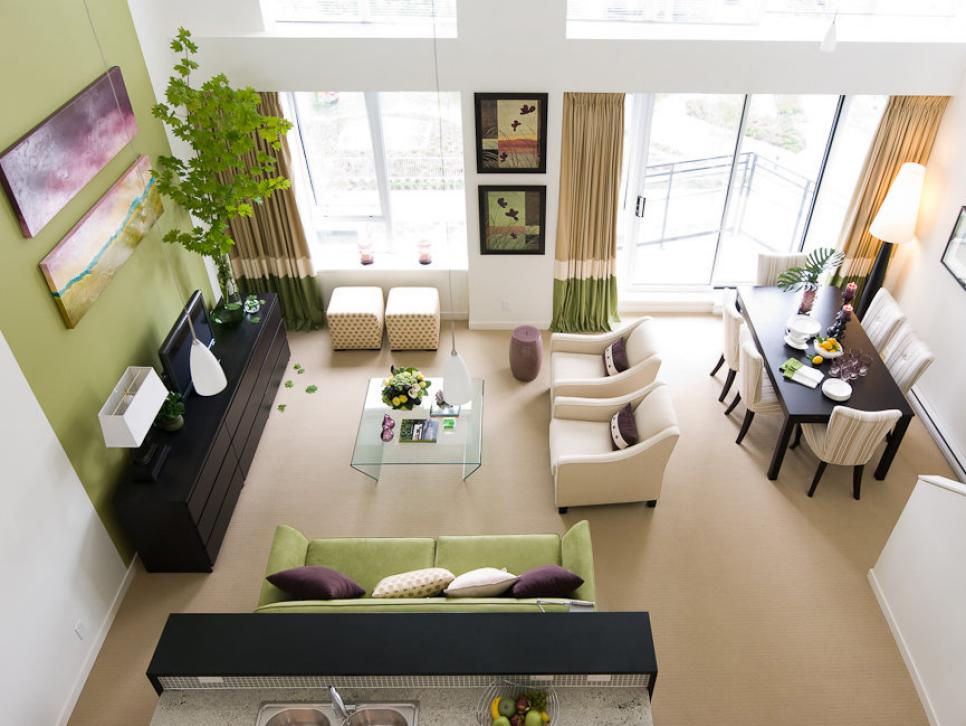
Color Theory 101 Analogous Complementary And The 60 30 10 Rule Hgtv
How To Create Color Schemes For Your Ui Design Using The 60 30 10 Technique

What Is The 60 30 10 Color Rule You Have To Try This In Your Home
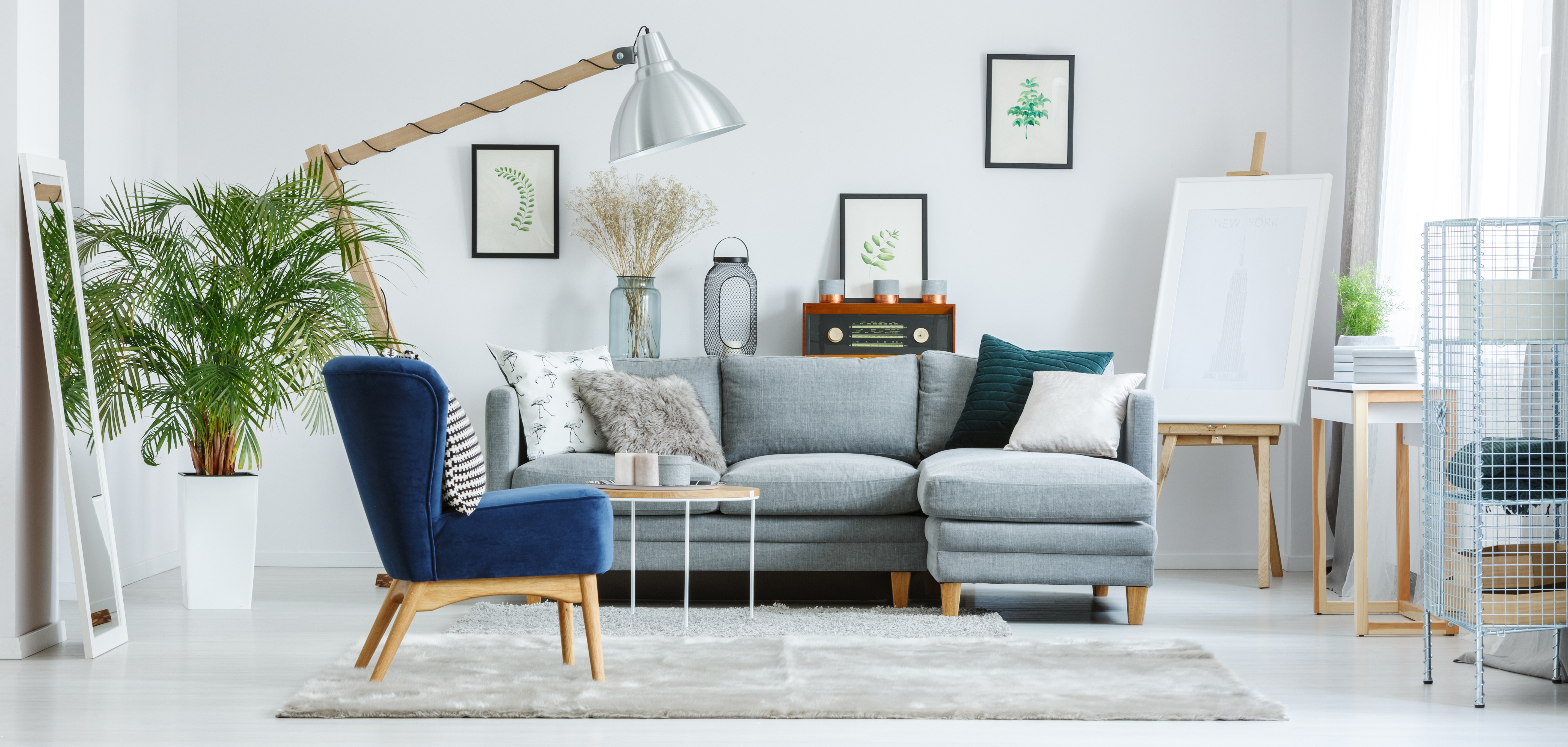
How To Overcome The Fear Of Adding Color To Your Home
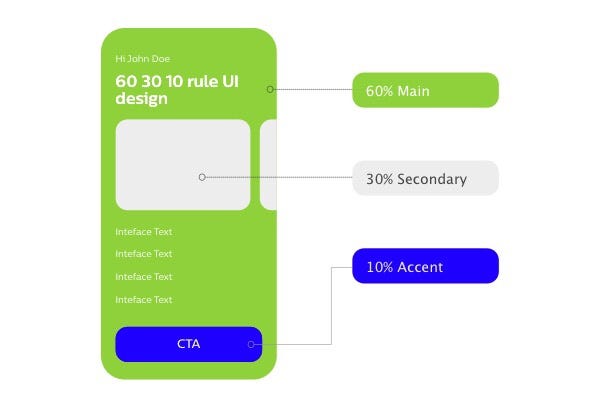
Color In Digital Design An Idea Of My Approach By Vinay D Venkat Medium

60 30 10 Rule In Interior Design Decor Usage Elements Natty Decor

Choosing Colors For Web Design A Practical Ui Color Application Guide Dribbble Design Blog

Facebook 60 30 10 Rule Youtube
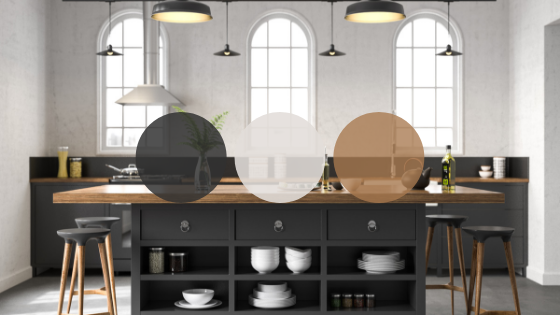
Interior Design Color Theory Everything You Need To Know About The 60 30 10 Rule First Heritage Mortgage
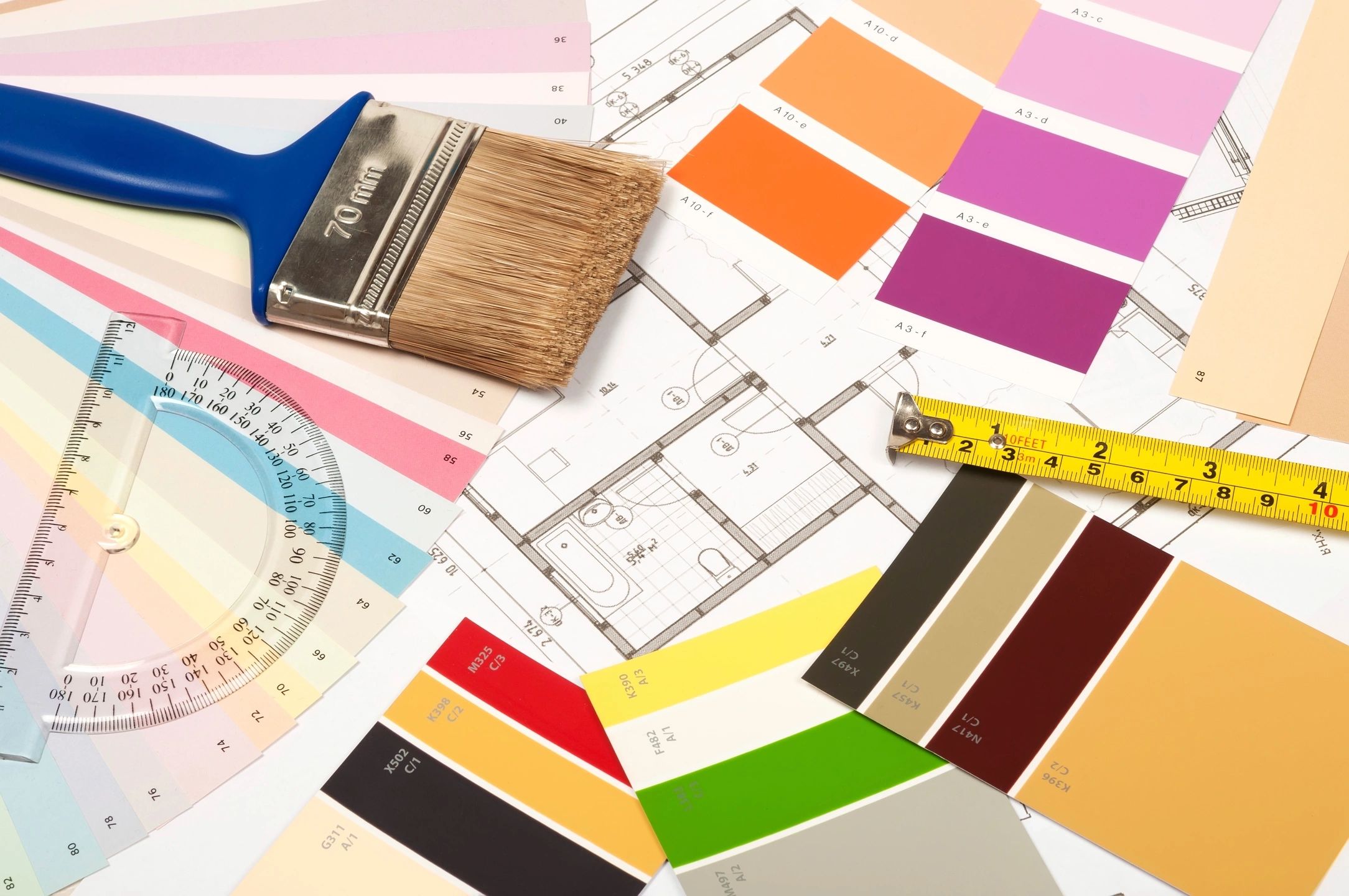
60 30 10 Rule Blog Sara Lynn Brennan Interiors

4 Simple Color Rules You Need To Know Blog About Interior Design

What Is The 60 30 10 Color Rule You Have To Try This In Your Home
Q Tbn And9gcqartqwxnaz Di Thbvkmyaru92lr42hgehffvpziw Vyewsiyj Usqp Cau
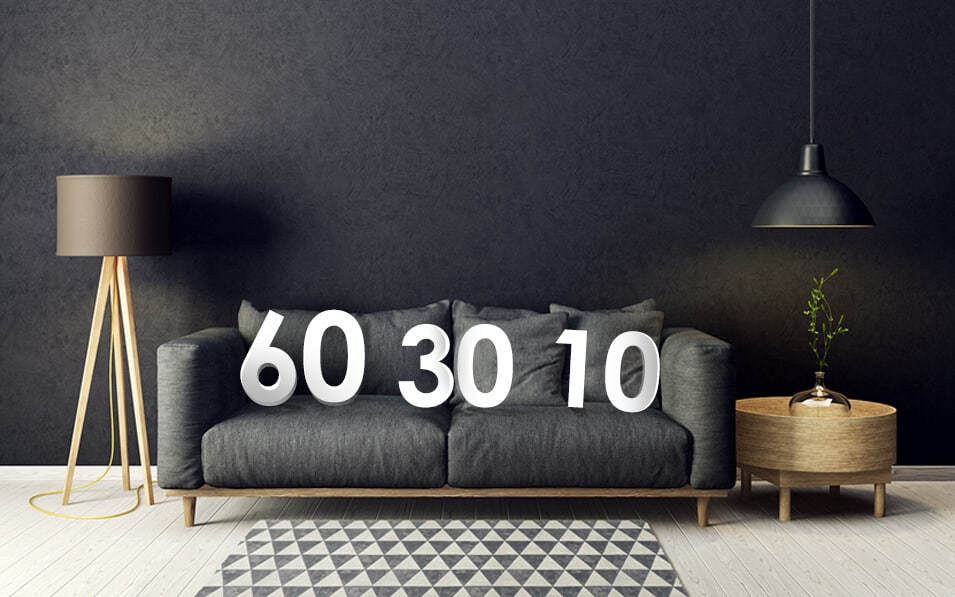
Helis Yapi A S The 60 30 10 Space Building Rule
A Guide To Choosing Colors For Your Brand By Sachpreet Kaur Medium
Q Tbn And9gcqartqwxnaz Di Thbvkmyaru92lr42hgehffvpziw Vyewsiyj Usqp Cau

The Colour Rule 60 30 10 Royal Blue Dwell Living Interiors Facebook

01 Colour Commandment The 60 30 10 Rule Taubmans Taubmanscolour Colourcommandments Dont Call Me Color Nest Design

Design Your Dreams Deciding A Color Scheme 60 30 10 Rule
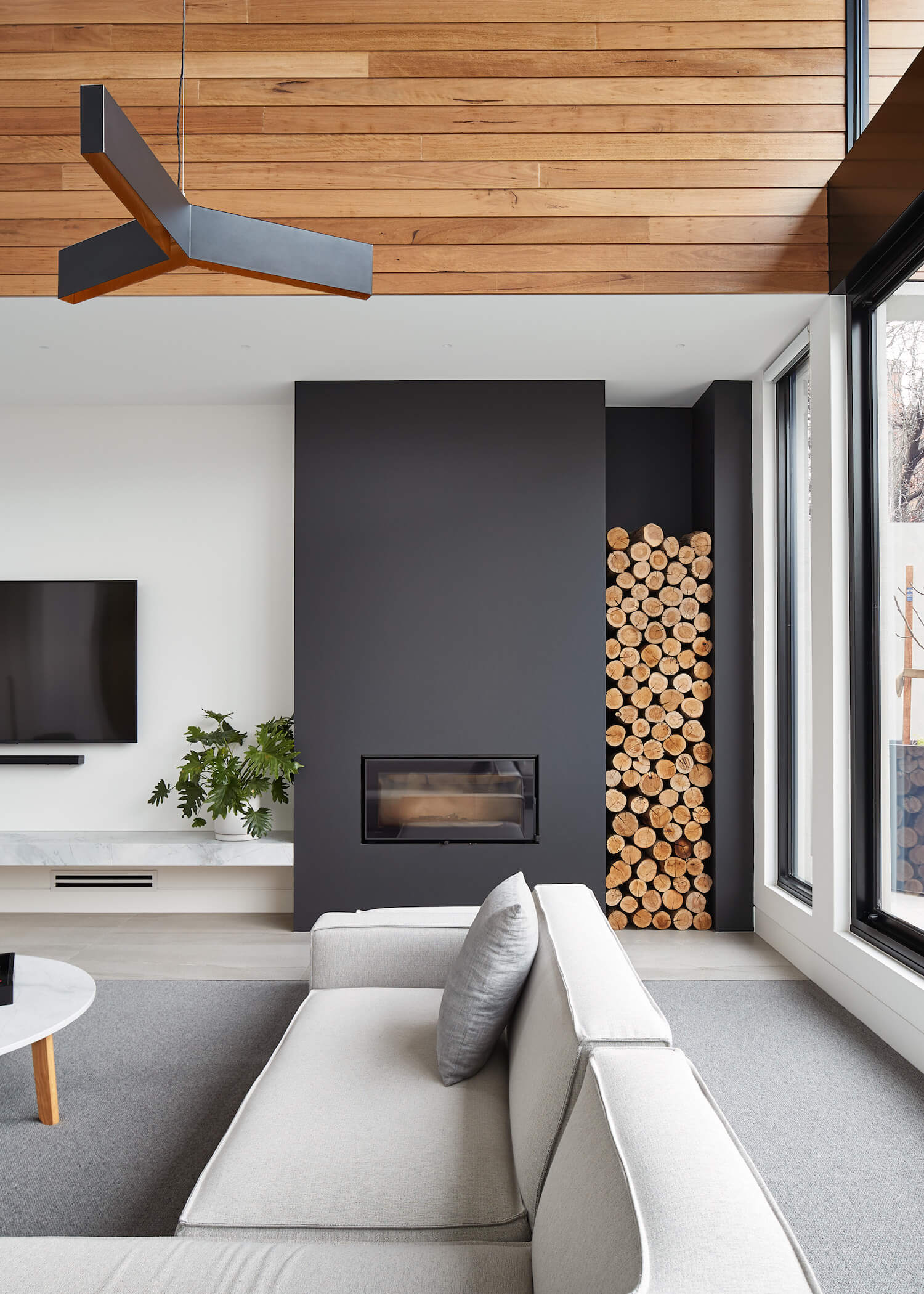
How To Implement The 60 30 10 Rule In Interior Design
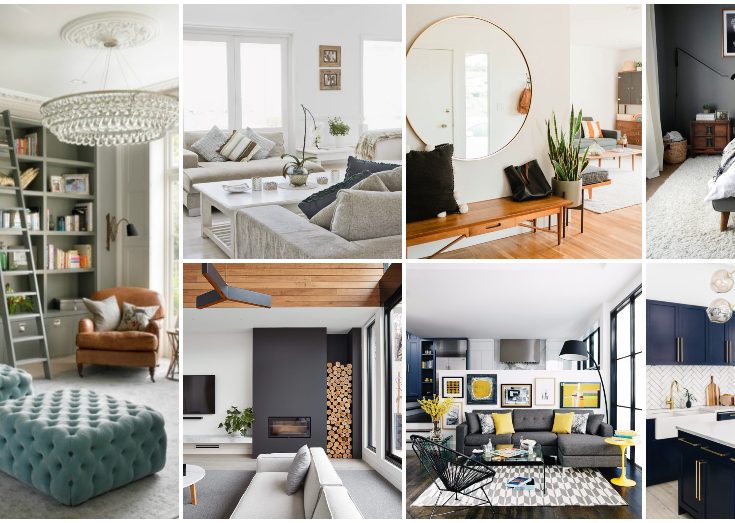
How To Implement The 60 30 10 Rule In Interior Design

Adding Color 60 30 10 Rule Armstrong Painting Roofing And Windows
Q Tbn And9gcqa6qhervpnephsxvnmtgd6gpn02i43gpe3n16hpgmfpworxx6j Usqp Cau
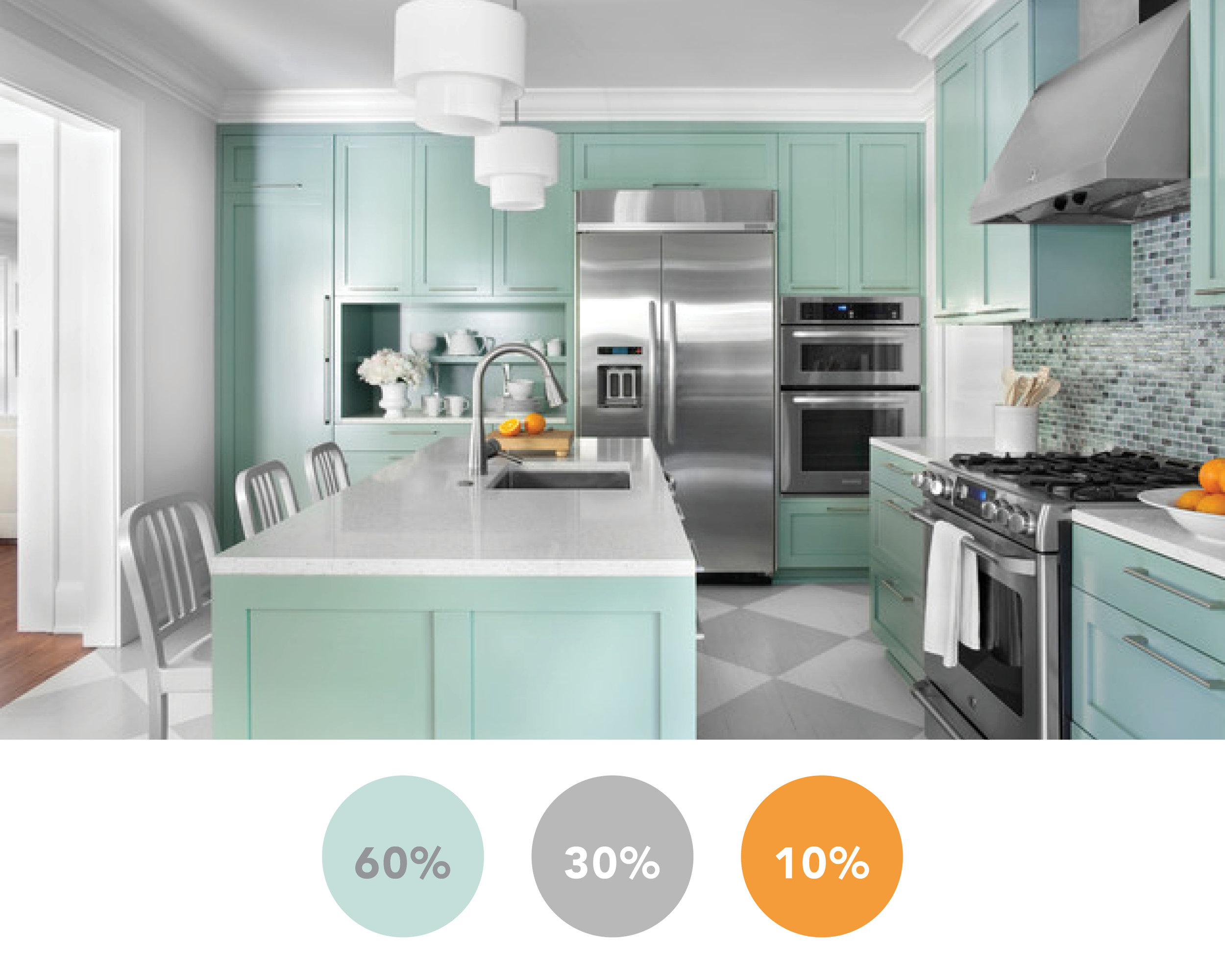
What To Know About The 60 30 10 Colour Rule Pilon Real Estate Group

Color Your Room With Confidence The 60 30 10 Rule The Fairmount Flat

Design Truffle

Color Psychology And 60 30 10 Rule In Graphic Design

The 60 30 10 Color Rule In Interior Decotation Bambubuild

Understand The 60 30 10 Rule When Decorating

Color Style Novacura Design

Design Truffle

These Are A Few Of My Favorite Things 47 60 30 10 Color Design Rule Design Rules Design Theory Color

Borrow The 60 30 10 Rule Of Interior Designers For Your Diy Painting Room Painting Color Tips And Tricks

Choosing A Color Scheme 60 30 10 Rule Elephantstock

How To Choose The Perfect Color Palette For Your Business
3

Color Trends 60 30 10 Rule Undullify
The 60 30 10 Rule Mmicreative Com

Balancing Your Colour Scheme With The 60 30 10 Rule Smartstyle Interiors
Color Theory 101 Analogous Complementary And The 60 30 10 Rule Hgtv
The Key To Color Confidence The 60 30 10 Rule Apartment Therapy
Design Tip The 60 30 10 Color Rule Setting For Four
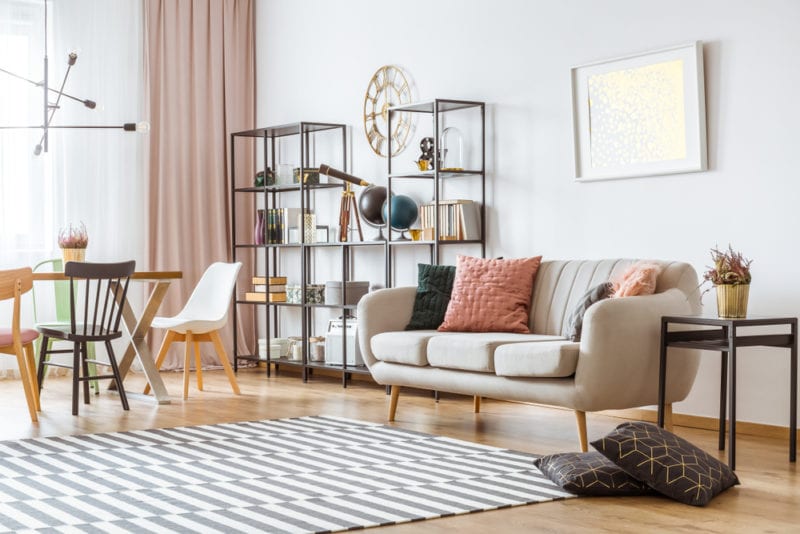
These Are The 4 Color Rules That Every Interior Design Fan Needs To Know
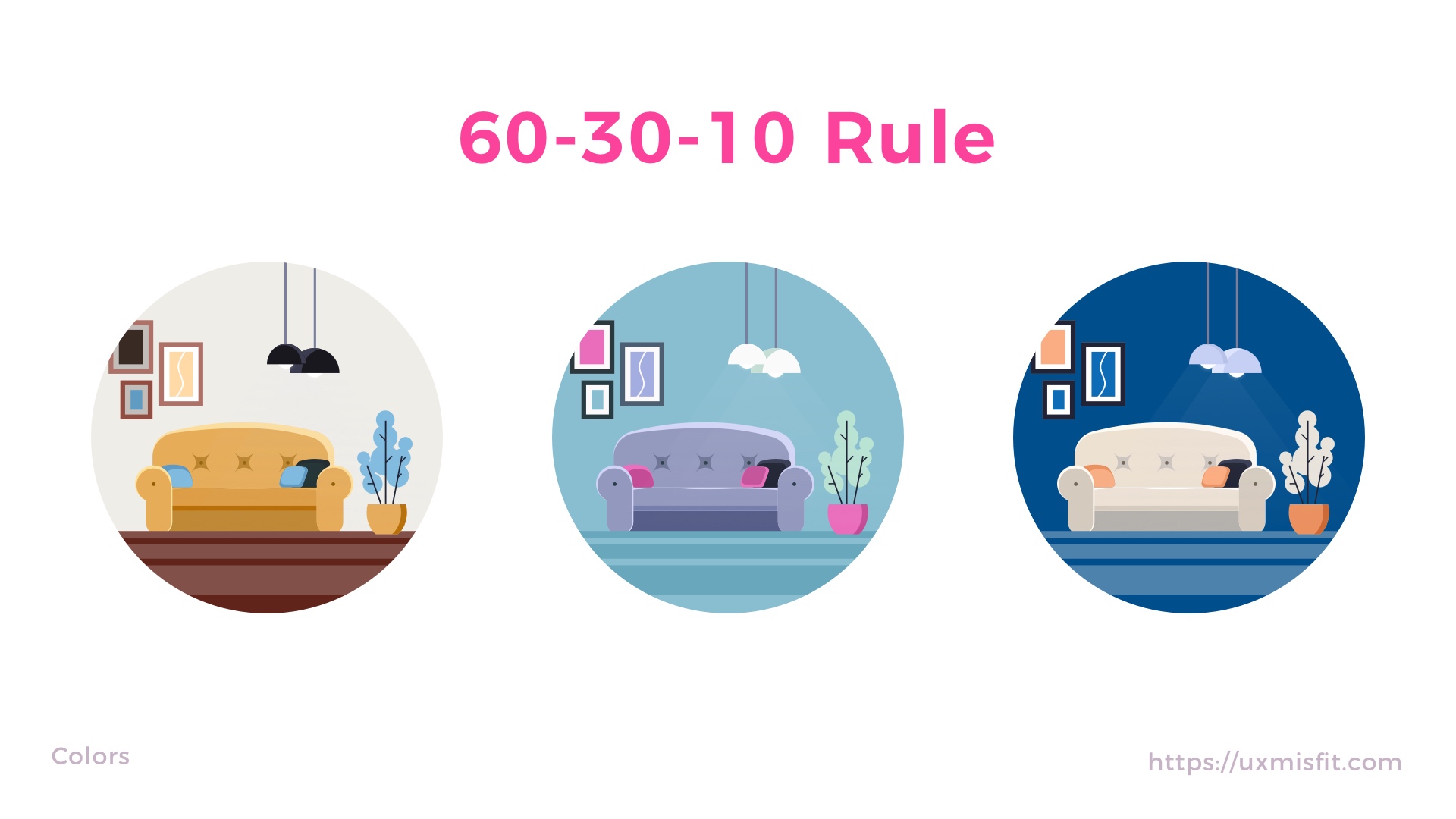
Ui Design In Practice Colors Uxmisfit Com
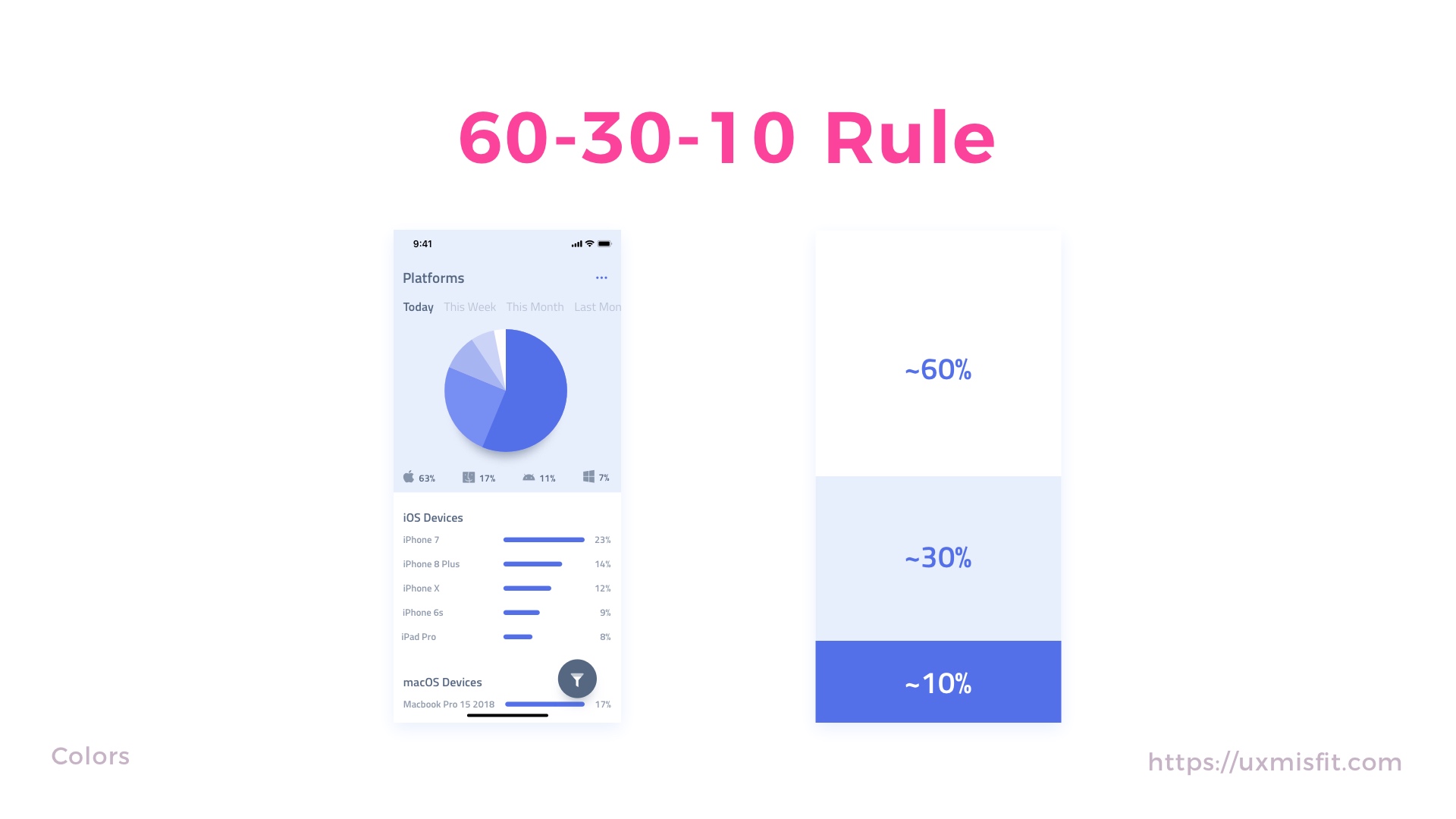
Ui Design In Practice Colors Uxmisfit Com
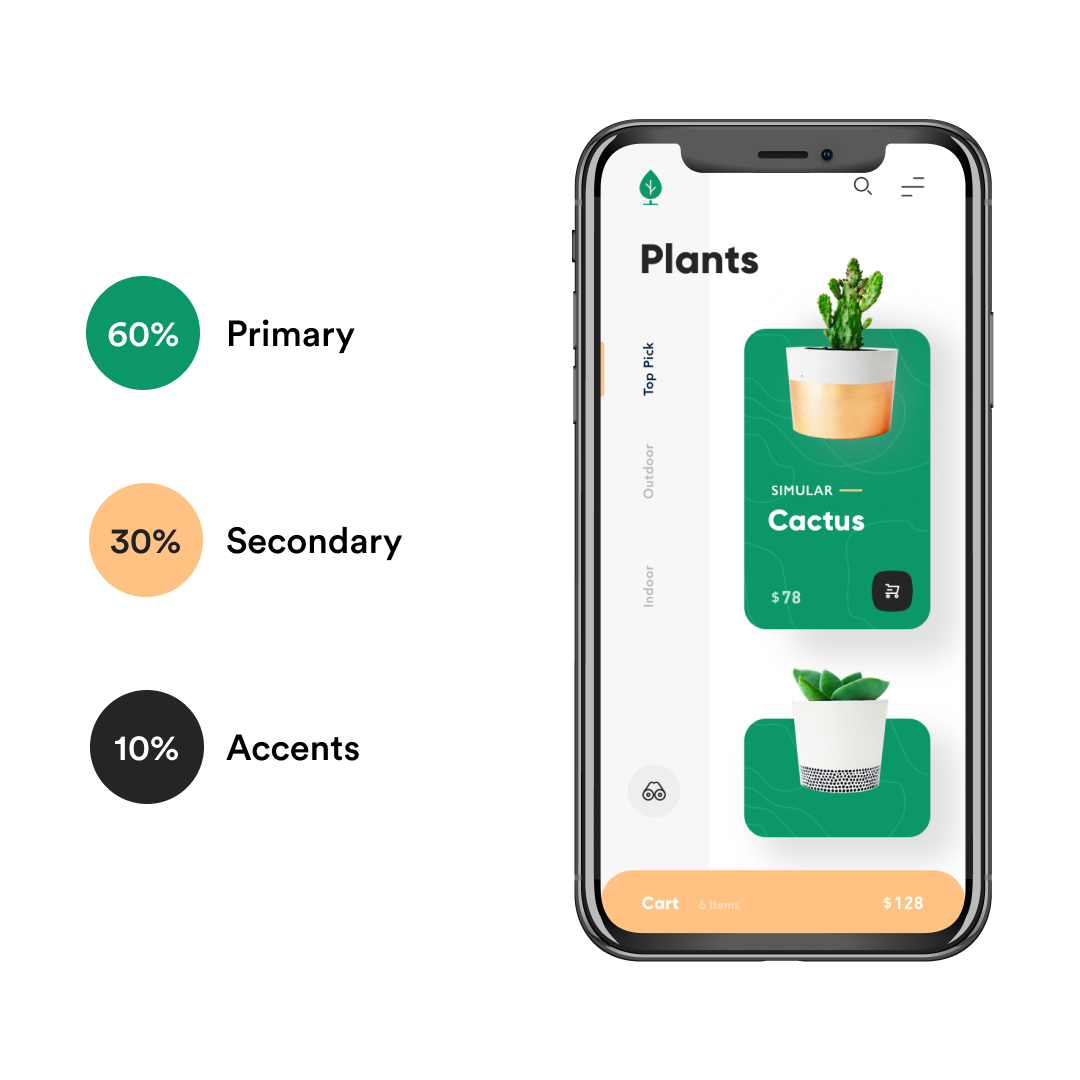
How To Pick A Colour Palette In 3 Easy Steps By Grappus Ux Planet
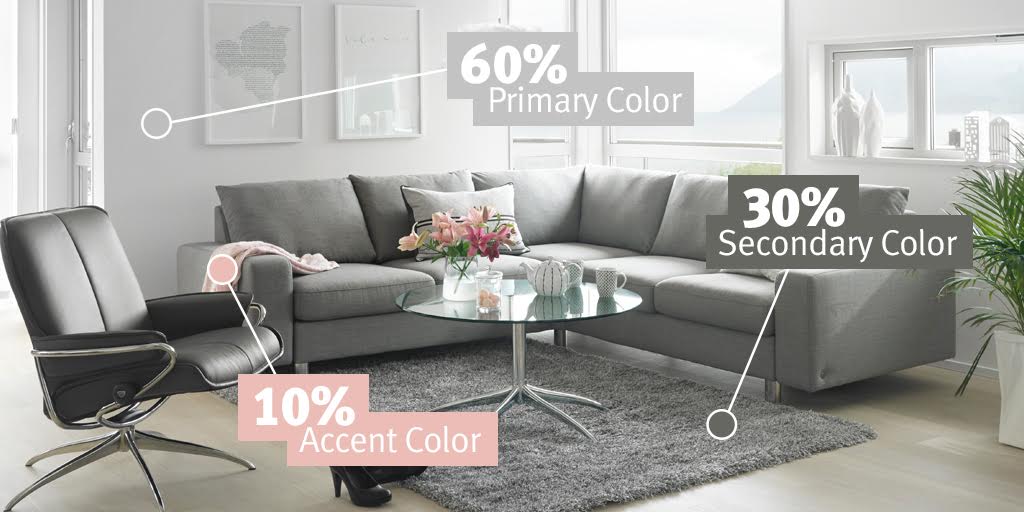
Ekornes Stressless When Decorating Your Home It S Important To Remember The 60 30 10 Rule Nationaldecoratingmonth

3 Tips For Choosing Website Colors From Raving Software

60 30 10 Rule Of Decorating Decorating Rules Paint Color Inspiration Interior Design Guide
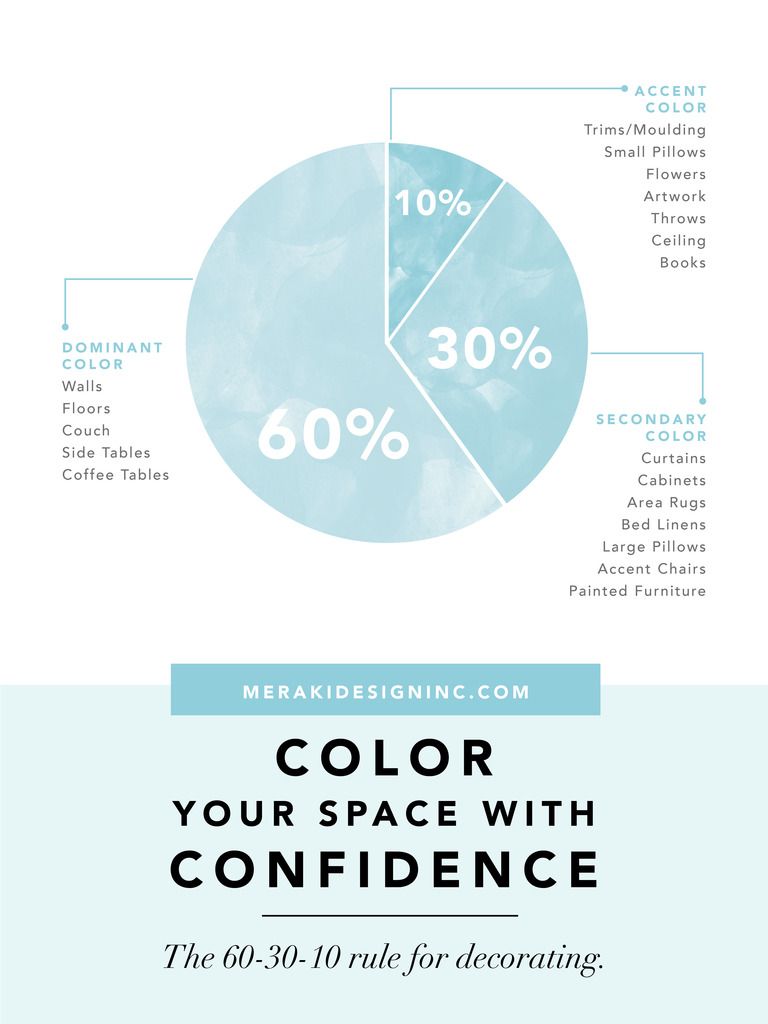
Color Your Room With Confidence The 60 30 10 Rule The Fairmount Flat

The 60 30 10 Color Rule Welsh Design Studio
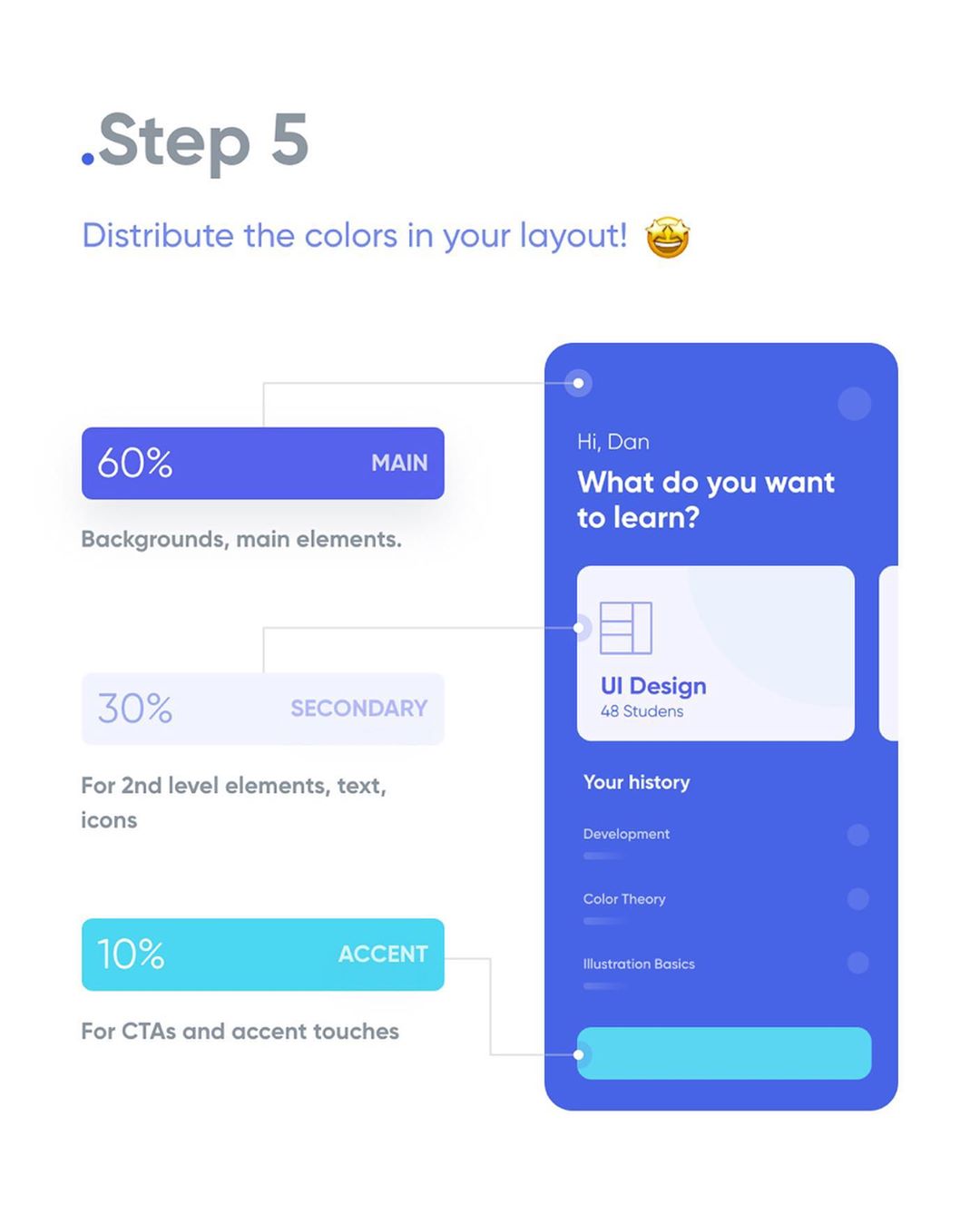
How To Create Color Schemes For Your Ui Design Using The 60 30 10 Technique
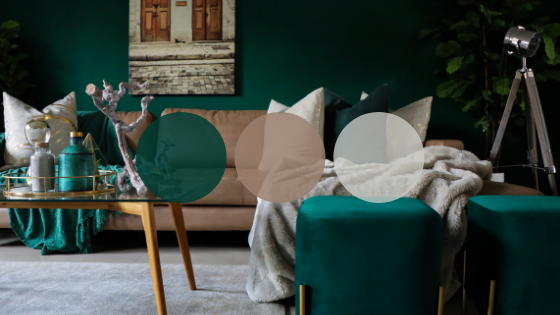
Interior Design Color Theory Everything You Need To Know About The 60 30 10 Rule First Heritage Mortgage
Koja Design
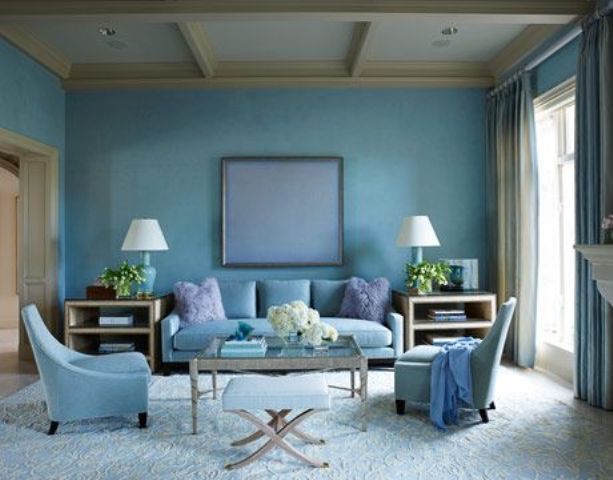
60 30 10 Rule In Home Decor 25 Ideas Digsdigs

Color Your Home Some Guidelines To Getting It Right Walker Furniture Mattress Las Vegas

60 30 10 Rule In Interior Design Decor Usage Elements Natty Decor
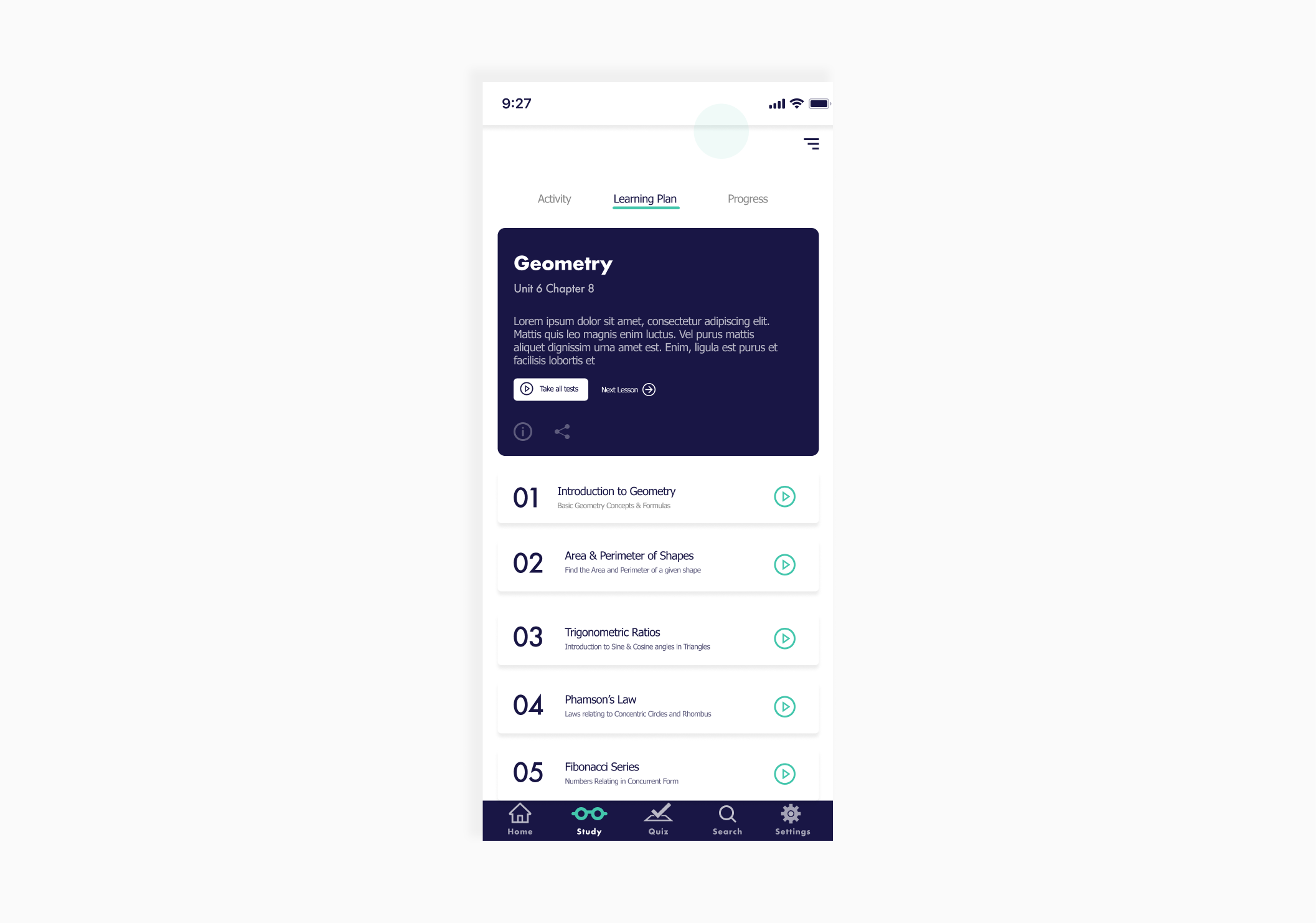
How The 60 30 10 Rule Saved The Day By Ayobami Adelugba Ux Collective
/sixtyrule_LR_getty-56a192703df78cf7726c19e2.jpg)
How To Use The 60 30 10 Color Rule In Your Home

Design The Interior Of A Home Westport Monroe New Canaan Ct Regal Line Painting


