Type Ii Mi Causes
/non-st-segment-elevation-myocardial-infarction-nstemi-1746017_FINAL-5c1abac4c9e77c00016ac74c.png)
Nstemi Non St Segment Myocardial Infarction Explained

Comparison Between Type 2 And Type 1 Myocardial Infarction Clinical Features Treatment Strategies And Outcomes Abstract Europe Pmc

Myocardial Infarction Wikipedia

Management Of Type 2 Diabetes Selecting Amongst Available Pharmacological Agents Endotext Ncbi Bookshelf
Www Med Umich Edu Clinical Troponin t assay educational presentation Pdf
Type 2 Myocardial Infarction Is It A Geriatric Syndrome Springerlink
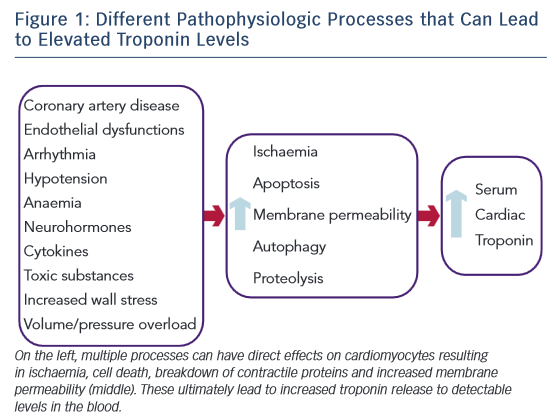
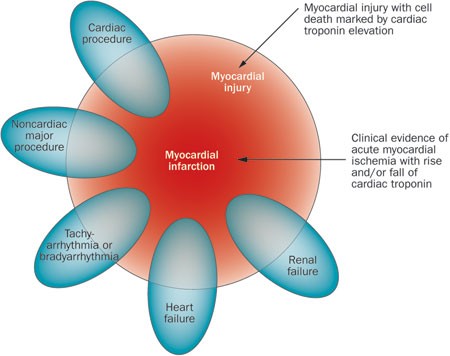
Nonischemic causes include heart failure, myocarditis, cardiomy opathy, catheter ablation, defibrillation, cardiac contusion, and sys temic causes such as sepsis, cerebrovascular accident/hemorrhage, pulmonary embolism, hypertension, chemotherapy, and infiltrative diseases (eg, amyloidosis, sarcoidosis).
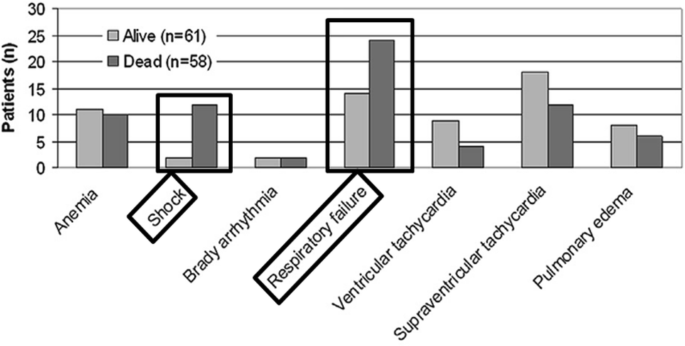
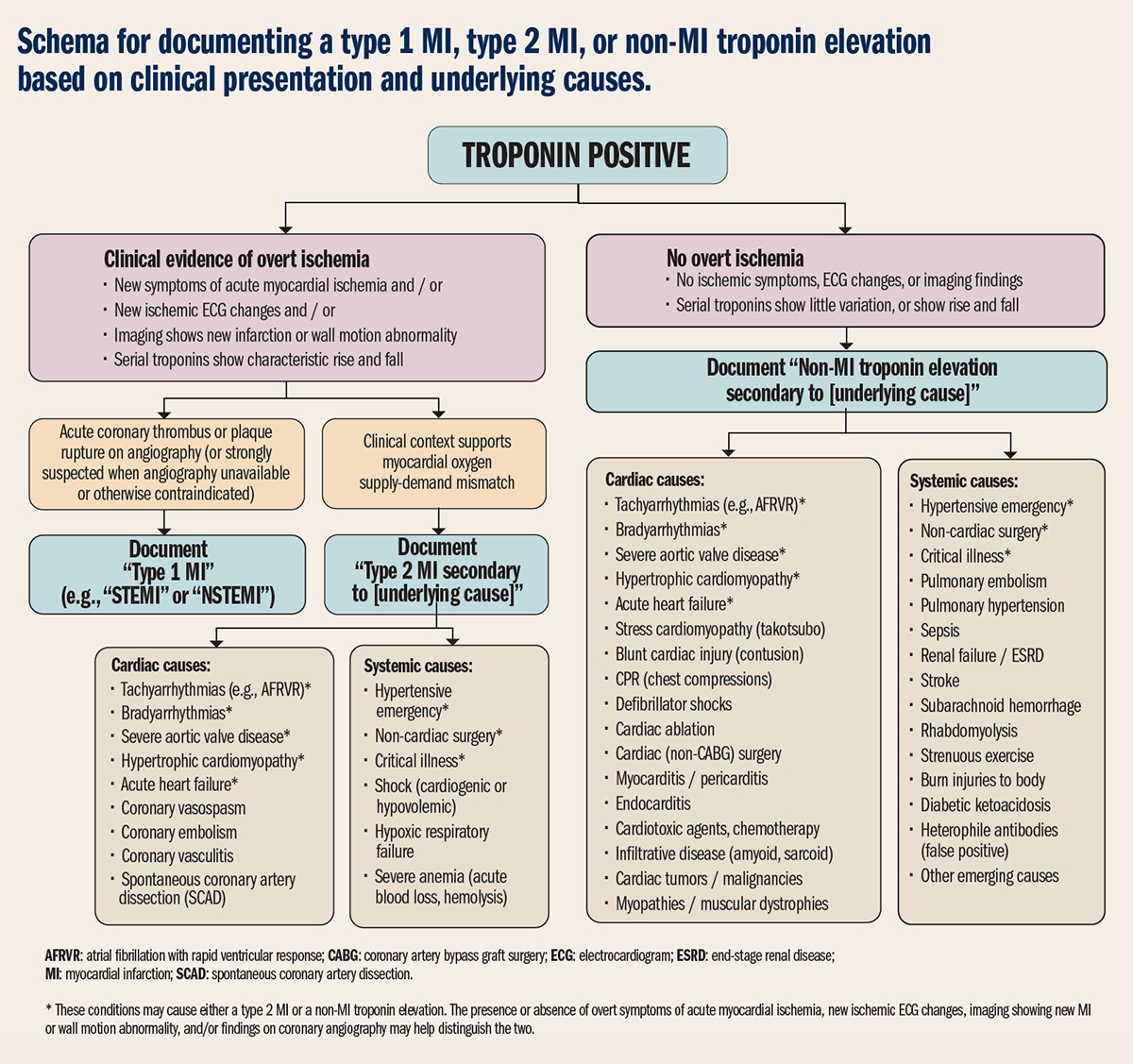
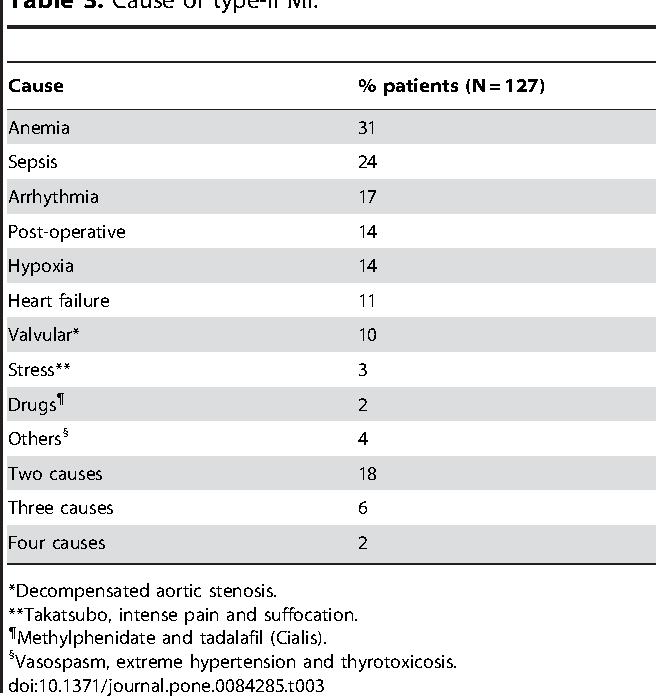
Type ii mi causes. The Third Universal Definition of MI task force document defines T2MI in instances of myocardial injury with necrosis where a condition without an acute atherothrombotic event contributes to an imbalance between myocardial oxygen supply and/or demand, such as coronary endothelial dysfunction, coronary artery spasm, coronary embolism, tachyarrhythmias, bradyarrhythmias, anemia, respiratory failure, hypotension, and hypertension with or without left ventricular hypertrophy (9). Acute myocardial infarction is myocardial necrosis resulting from acute obstruction of a coronary artery Symptoms include chest discomfort with or without dyspnea, nausea, and diaphoresis Diagnosis is by ECG and the presence or absence of serologic markers Treatment is antiplatelet drugs, anticoagulants, nitrates, betablockers, statins, and reperfusion therapy. Type 2 – MI due to ischemia results from increased oxygen demand or decreased supply (eg, coronary artery spasm, coronary embolism, anemia, arrhythmias, high or low blood pressure) Type 3 – MI due sudden cardiac death is when no biomarkers are found in the blood Type 4 Type 4a – MI related to percutaneous coronary intervention (PCI).
Hence, the name coronary heart disease Coronary embolism is a rarer cause. Diagnosed when there is no biomarker release based on 2 samples collected at least 6 hours apart Keep in mind the many causes of elevated troponin levels that do not necessarily indicate MI, such as heart failure, renal failure, arrhythmias, myocarditis, pulmonary embolism, and uneventful coronary procedures Clinical presentation and other. A heart attack occurs if blood supply to the heart is cut off This can lead to pronounced symptoms of pain in the chest but symptoms can vary The medical term for a heart attack is myocardial infarction (MI) or acute myocardial infarction (AMI) It is important that an ambulance is called immediately as damage.
The most common causes of type 2 MI were arrhythmia (191%), pneumonia (135%), heart failure (124%), and fracture (42%) with slightly varying frequency for myocardial injury. Type 2 NSTEMI is coded to I248 It is an Supply/demand (type 2) mismatch myocardial infarction not a True MI If the documentation states type II MI, this is coded as an NSTEMI This has been clarified by Coding Clinic for 1st Quarter 17. FE, a 54yearold man with a history of type 2 diabetes, hypertension, and Reiter’s syndrome with prior hospitalizations for pneumonia and sepsis presented to the hospital emergency room complaining of chest pain, weakness, and fatigue His chest pain was pleuritic in nature, worsening with movement and deep breathing When he was motionless, the pain completely resolved.
Causes of Type 2 Diabetes Your pancreas makes a hormone called insulin It helps your cells turn glucose, a type of sugar, from the food you eat into energy People with type 2 diabetes make. A type 2 MI is a myocardial infarction secondary to ischemic imbalance (myocardial demand exceeding supply) This is where a condition other than coronary artery disease results in the imbalance between myocardial oxygen supply and/or demand. In this case, rapid atrial fibrillation and severe anemia The usual aggressive therapy for Type 1 MI due to coronary artery disease is rarely necessary.
Learning ICD10 Documenting Type 2 Myocardial Infarction Type 1 MI is myocardial necrosis, or cell death, caused by an anatomic blockage of blood flow for a prolonged period of Type 2 MI is also cell death, but in a nonanatomic distribution due to generalized hypoperfusion, on the basis of. P = 0699) Conclusion Acutely decompensated diabetic patients with type 2 myocardial infarction are at increased risk for death and MACE These patients may also be at risk for undiagnosed coronary artery disease. Type 2 MI describes an MI due to supply/demand mismatch, without plaque rupture, but also with myocardial necrosis evidenced by a rise of cardiac biomarkers in addition to at least one other criteria for MI Providers use this term inconsistently, some meaning a myocardial infarction did occur, others to indicate an episode of demand ischemia.
TypeII MI (demand ischemia) Myocardial infarction not involving unstable coronary plaque This is usually due to stable coronary stenoses in the context of physiologic stress (eg anemia, hypoxemia, inotropes, tachycardia) However, TypeII MI can also occur in the setting of normal coronaries due to severe stress (eg sustained tachyarrhythmia). Acute myocardial infarction (MI) can occur from increased myocardial oxygen demand and/or reduced supply in the absence of acute atherothrombotic plaque disruption;. Type 2 MI is defined as "myocardial infarction secondary to ischaemia due to either increased oxygen demand or decreased supply, eg coronary artery spasm, coronary embolism, anaemia, arrhythmias, hypertension or hypotension".
Nonischemic causes include heart failure, myocarditis, cardiomy opathy, catheter ablation, defibrillation, cardiac contusion, and sys temic causes such as sepsis, cerebrovascular accident/hemorrhage, pulmonary embolism, hypertension, chemotherapy, and infiltrative diseases (eg, amyloidosis, sarcoidosis). A condition called type 2 myocardial infarction (T2MI) As with any MI subtype, there must be clinical evidence of myocardial ischemia to make the diagnosis. Spontaneous coronary artery dissection (SCAD) is an underdiagnosed and rare cause of myocardial infarction (MI) SCAD is defined as the separation of the coronary artery wall by hemorrhage with or without intimal tear SCAD causes acute coronary syndrome in 17% to 4% of cases 1.
OBJECTIVE To compare the risk of subsequent myocardial infarction (MI) between patients with and without type 2 diabetes mellitus (T2DM) in a retrospective cohort study RESEARCH DESIGN AND METHODS Patients with their first MI recorded in the UK General Practice Research Database in 1997–08 were classified as T2DM, diagnosed before or within 28 days after the date of the first recorded. The main cause of myocardial infarction is the development of atherosclerosis in the coronary arteries ;. For patients with type 2 MI, treatment of the primary cause of supply/demand mismatch is.
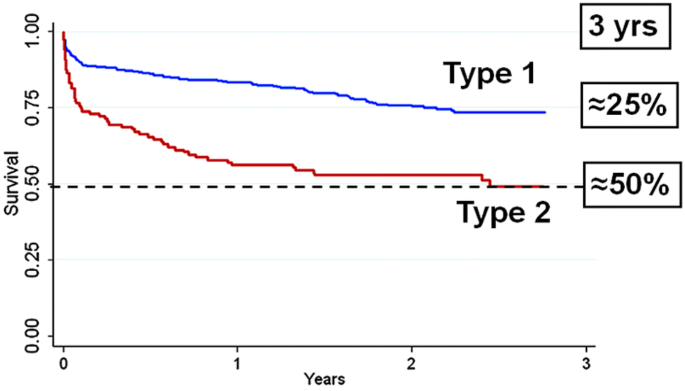
Type 2 MI describes an MI due to supply/demand mismatch, without plaque rupture, but also with myocardial necrosis evidenced by a rise of cardiac biomarkers in addition to at least one other criteria for MI Providers use this term inconsistently, some meaning a myocardial infarction did occur, others to indicate an episode of demand ischemia. In contrast, a type 2 MI results from imbalance between myocardial oxygen supply and demand that is unrelated to acute coronary thrombosis or plaque rupture 4 In general, treatment of a type 2 MI does not include antithrombotic therapy or urgent coronary angiography (as these may cause bleeding in medically complex patients), but rather should focus on resolving the underlying cause(s) of supplydemand mismatch. Most deaths among patients with type 2 MI are due to noncardiovascular causes 3 Yet, major adverse cardiovascular event rates are also high in this cohort;.
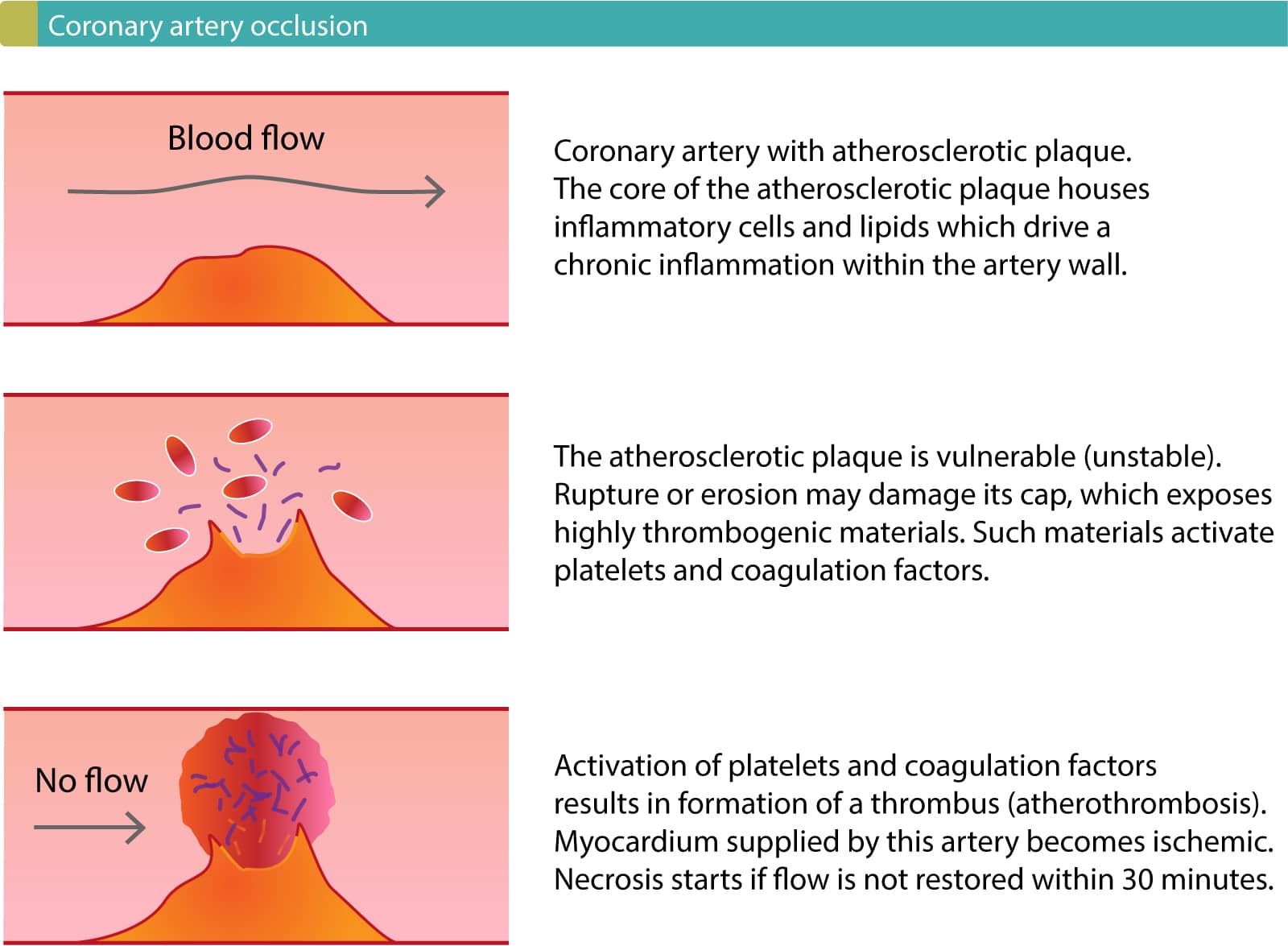
Seconddegree AV block (Type 2) is almost always a disease of the distal conduction system located in the ventricular portion of the myocardium. A condition called type 2 myocardial infarction (T2MI) As with any MI subtype, there must be clinical evidence of myocardial ischemia to make the diagnosis. Conditions that can cause myocardial ischemia include Coronary artery disease (atherosclerosis) Plaques made up mostly of cholesterol build up on your artery walls and restrict blood flow Atherosclerosis is the most common cause of myocardial ischemia Blood clot The plaques that develop in atherosclerosis can rupture, causing a blood clot.
In type 2 MI, myocardial injury occurs secondary to an underlying process, and therefore requires correct documentation of the underlying cause as well Common examples of underlying causes of type 2 MI include acute blood loss anemia (eg GI bleed), acute hypoxia (eg COPD exacerbation), shock states (cardiogenic, hypovolemic, hemorrhagic, or septic), coronary vasospasm (eg spontaneous), and bradyarrhythmias. In other words, the supply of blood flow to the heart is not limited but is inadequate to match the increased oxygen demands of an increased workload on the heart Supply/demand ischemia can be either “demand ischemia” (no infarction) or “Type 2 MI” (infarction due to supply/demand mismatch). Angiography or autopsy (not for type 2 MI) Type 1 MI MI caused by atherothrombotic coronary artery disease and usually precipitated by atherosclerotic plaque disruption (rupture or erosion) Type 2 MI MI caused by a mismatch between oxygen supply and demand by a pathophysiological mechanism other than coronary atherothrombosis (type 1 MI).
With type 2 diabetes, you're more likely to have a heart attack and not even know it Learn how a silent heart attack happens, what the warning signs are, and how to find out if you had one. Myocardial Infarction Secondary to an Ischemic Imbalance (MI Type 2) In instances of myocardial injury with necrosis, where a condition other than CAD contributes to an imbalance between myocardial oxygen supply and/or demand, the term 'MI type 2' is employed In critically ill patients, or in patients undergoing major (non. This statement that TypeII MI is uncommon in infection is a genuinely weird claim I don’t buy it and neither does twitter Most episodes of myocardial ischemia among patients hospitalized for acute infection are due to plaque rupture (TypeI MI) Demand ischemia (TypeII MI) causes only a small proportion of infectionrelated MI events.
Finally, the management of Type 2 MI is directed primarily at the precipitating cause;. The most contentious diagnosis is that of type 2 myocardial infarction, which is defined as myocardial necrosis with evidence of ischaemia due to myocardial oxygen supplydemand imbalance in the context of another acute illness. TypeII MI (demand ischemia) Myocardial infarction not involving unstable coronary plaque This is usually due to stable coronary stenoses in the context of physiologic stress (eg anemia, hypoxemia, inotropes, tachycardia).
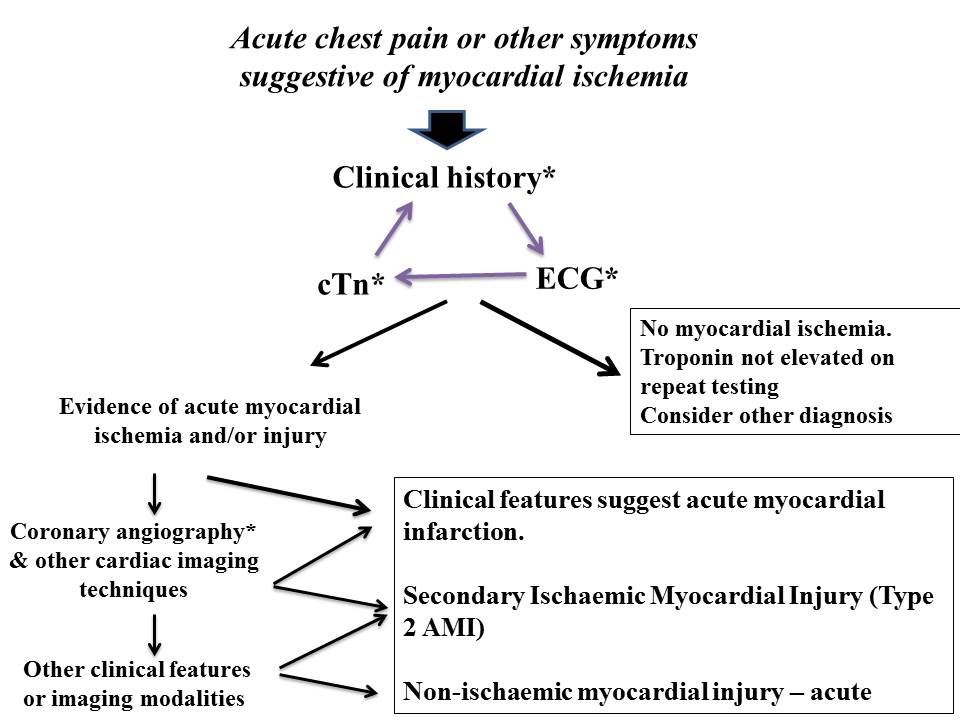
Patients with type 2 myocardial infarction were also at higher risk for developing an abnormal result on stress test or coronary angiography within 1 year of admission as compared with those without type 2 myocardial infarction (40% vs 24%;. Coronary artery disease with rupture of an atherosclerotic plaque resulting in occlusion (local thrombosis/dissection) is the major cause of myocardial infarctions Other causes include 12 ischemic imbalance (ie myocardial oxygen supply/demand imbalance) in criticallyill patients or in the setting of major (noncardiac) surgery. Documentation of a Type 2 MI should include the underlying cause, such as acute blood loss anemia, acute hypoxia, or coronary artery vasospasm However, the quintessential requirement when determining etiology and type of MI is dependent on ruling in or ruling out cardiac ischemia.
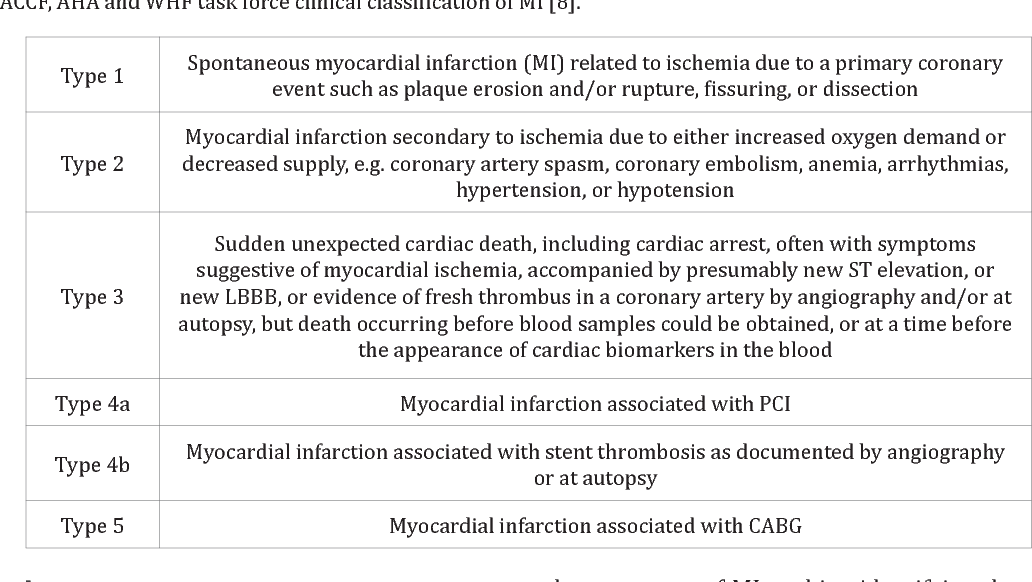
Conditions that can cause myocardial ischemia include Coronary artery disease (atherosclerosis) Plaques made up mostly of cholesterol build up on your artery walls and restrict blood flow Atherosclerosis is the most common cause of myocardial ischemia. The Third Universal Definition of MI task force document defines T2MI in instances of myocardial injury with necrosis where a condition without an acute atherothrombotic event contributes to an imbalance between myocardial oxygen supply and/or demand, such as coronary endothelial dysfunction, coronary artery spasm, coronary embolism, tachyarrhythmias, bradyarrhythmias, anemia, respiratory failure, hypotension, and hypertension with or without left ventricular hypertrophy (9). The definition of type 2 MI is 21 “myocardial infarction secondary to ischaemia due to either increased oxygen demand or decreased supply, eg coronary artery spasm, coronary embolism, anaemia, arrhythmias, hypertension or hypotension” Troponin elevation occurs in a large number of clinical situations not considered to be an acute MI 21.
Type 2 NSTEMI is coded to I248 It is an Supply/demand (type 2) mismatch myocardial infarction not a True MI If the documentation states type II MI, this is coded as an NSTEMI This has been clarified by Coding Clinic for 1st Quarter 17. Acute myocardial infarction (MI) can occur from increased myocardial oxygen demand and/or reduced supply in the absence of acute atherothrombotic plaque disruption;. The main cause of myocardial infarction is the development of atherosclerosis in the coronary arteries ;.
Type 2 – MI due to ischemia results from increased oxygen demand or decreased supply (eg, coronary artery spasm, coronary embolism, anemia, arrhythmias, high or low blood pressure) Type 3 – MI due sudden cardiac death is when no biomarkers are found in the blood Type 4 Type 4a – MI related to percutaneous coronary intervention (PCI). Approximately 30% of patients will have a cardiovascular event over 5 years 3 The rates of recurrent cardiovascular events are similar, if not higher, than for patients with type 1 MI 5. This statement that TypeII MI is uncommon in infection is a genuinely weird claim I don’t buy it and neither does twitter Most episodes of myocardial ischemia among patients hospitalized for acute infection are due to plaque rupture (TypeI MI) Demand ischemia (TypeII MI) causes only a small proportion of infectionrelated MI events.
A type 2 MI is a myocardial infarction secondary to ischemic imbalance (myocardial demand exceeding supply) This is where a condition other than coronary artery disease results in the imbalance between myocardial oxygen supply and/or demand. Hence, the name coronary heart disease Coronary embolism is a rarer cause. Background Type 2 myocardial infarction (MI) is defined by a rise and fall of cardiac biomarkers and evidence of ischemia without unstable coronary artery disease (CAD) because of a mismatch in myocardial oxygen supply and demand Myocardial injury is similar but does not fulfill the clinical criteria for MI.
St Segment Elevation Myocardial Infarction Nature Reviews Disease Primers

Defibrillator Implantation Early After Myocardial Infarction Nejm

Cardioprotective Effect Of Pioglitazone In Diabetic And Non Diabetic Rats Subjected To Acute Myocardial Infarction Involves Suppression Of Age Rage Axis And Inhibition Of Apoptosis

Acute Coronary Syndrome Diagnostic Evaluation American Family Physician
Type 2 Myocardial Infarction Is It A Geriatric Syndrome Springerlink

Pulmcrit Acute Infection Myocardial Infarction How Afraid Should We Be
Diagnosing Type 2 Myocardial Infarction American College Of Cardiology

Pdf Current Status Of The Clinical Epidemiology Of Myocardial Infarction In Men And Women A National Cross Sectional Study In Iran
Myocardial Infarction Nursing Care Management And Study Guide
Acute Myocardial Infarction And Acute Heart Failure In The Middle East And North Africa Study Design And Pilot Phase Study Results From The Peace Mena Registry

Cardiovascular Protection In The Treatment Of Type 2 Diabetes A Review Of Clinical Trial Results Across Drug Classes American Journal Of Cardiology
Canadiem Org Wp Content Uploads 17 05 Crackcast Shownotes Episode 78 Acute Coronary Syndrome Part A Pdf

Type 2 Versus Type 1 Myocardial Infarction A Comparison Of Clinical Characteristics And Outcomes With A Meta Analysis Of Observational Studies Gupta Cardiovascular Diagnosis And Therapy

Pulmcrit Acute Infection Myocardial Infarction How Afraid Should We Be

A Proposal For Modest Revision Of The Definition Of Type 1 And Type 2 Myocardial Infarction Circulation
Q Tbn And9gctcpr5c6k67xe8i1epj P19hn2dirrstmh1oy5d52b6wzrfdumm Usqp Cau

Acute Myocardial Infarction Bedside Case Discussion Kidambi Br Reddy Sk Surampalli V J Pract Cardiovasc Sci
Feature Translating The Fourth Universal Definition Of Myocardial Infarction Into Clinical Documentation Ten Pearls For Frontline Clinicians American College Of Cardiology

Type 2 Myocardial Infarction Mi Secondary To An Ischaemic Imbalance General Practice Notebook
/stemi-st-segment-elevation-myocardial-infarction-1746032_final2-19d287ac8de645b79bb40c35640a0d78.png)
St Segment Elevation Myocardial Infarction

Ecg Localization Of Myocardial Infarction Ischemia And Coronary Artery Occlusion Culprit Ecg Echo

Diagnosis Management And Nursing Care In Acute Coronary Syndrome Nursing Times

High Sensitivity Troponin In The Evaluation Of Patients With Suspected Acute Coronary Syndrome A Stepped Wedge Cluster Randomised Controlled Trial The Lancet
Q Tbn And9gcsbudl Zgevtpmjeprrjgn0cgludz7sjvsw5qvv7ywumgsnmqrw Usqp Cau
Pdf A Review Of Cardiac And Non Cardiac Causes Of Troponin Elevation And Clinical Relevance Part Ii Non Cardiac Causes Semantic Scholar

Type 2 Versus Type 1 Myocardial Infarction A Comparison Of Clinical Characteristics And Outcomes With A Meta Analysis Of Observational Studies Gupta Cardiovascular Diagnosis And Therapy

Third Universal Definition Of Myocardial Infarction Circulation

Assessment And Classification Of Patients With Myocardial Injury And Infarction In Clinical Practice Heart
Classification Of Acute Coronary Syndromes Acs Acute Myocardial Infarction Ami Ecg Echo
Q Tbn And9gctqgsyh8zo9adctnrd6lvnemuq23ki1cyrizpxlliicwga Avjx Usqp Cau
Role Of Cardiac Troponin Levels In Acute Heart Failure Cfr Journal
Diagnostic Criteria For Acute Myocardial Infarction Cardiac Troponins Ecg Symptoms Ecg Echo

Acute Infection And Myocardial Infarction Nejm

Diagnosis Management And Nursing Care In Acute Coronary Syndrome Nursing Times

Acute Coronary Syndrome Diagnostic Evaluation American Family Physician

Our Concept Of Heart Attack Is Changing Harvard Health
Esc Guidance For The Diagnosis And Management Of Cv Disease During The Covid 19 Pandemic
Q Tbn And9gctqgsyh8zo9adctnrd6lvnemuq23ki1cyrizpxlliicwga Avjx Usqp Cau
Type 2 Myocardial Infarction Is It A Geriatric Syndrome Springerlink
Www Amjmed Com Article S0002 9343 17 7 Pdf

Pulmcrit Acute Infection Myocardial Infarction How Afraid Should We Be

Effect Of Definition On Incidence And Prognosis Of Type 2 Myocardial Infarction Sciencedirect
Acute Myocardial Infarction And Acute Heart Failure In The Middle East And North Africa Study Design And Pilot Phase Study Results From The Peace Mena Registry
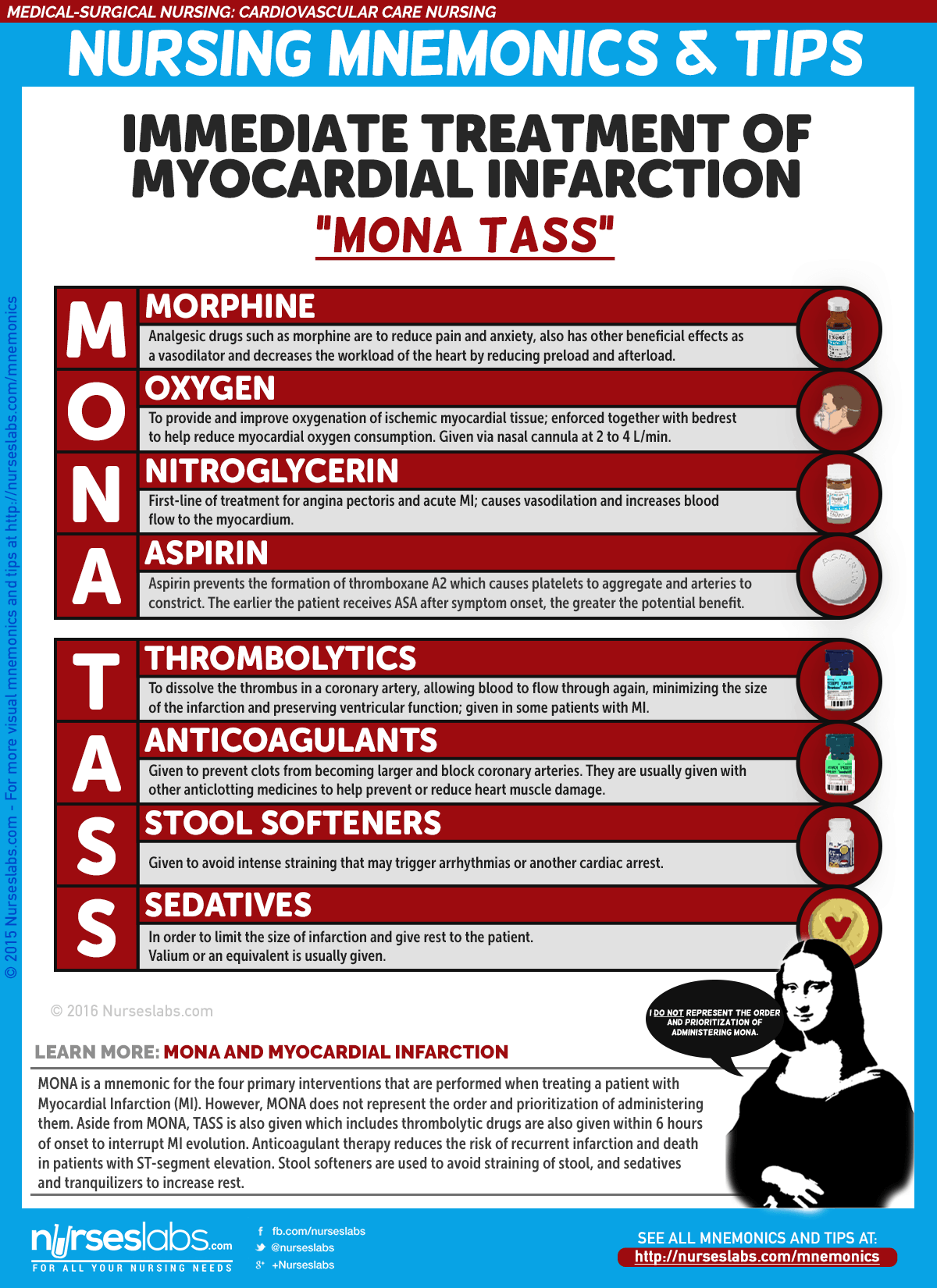
Myocardial Infarction Nursing Care Management And Study Guide

Acute Coronary Syndrome Diagnostic Evaluation American Family Physician
Acdis Org Sites Acdis Files Type ii mi Kc Pdf
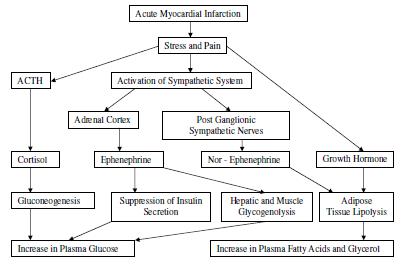
Hyperglycaemia And Myocardial Infarction Bjmp Org

Fourth Universal Definition Of Myocardial Infarction 18 Journal Of The American College Of Cardiology

Cardioprotective Effect Of Pioglitazone In Diabetic And Non Diabetic Rats Subjected To Acute Myocardial Infarction Involves Suppression Of Age Rage Axis And Inhibition Of Apoptosis
Http Www Cbsmd Cn Cbs17cms Uploads Image Pdf

Type 2 Versus Type 1 Myocardial Infarction A Comparison Of Clinical Characteristics And Outcomes With A Meta Analysis Of Observational Studies Gupta Cardiovascular Diagnosis And Therapy
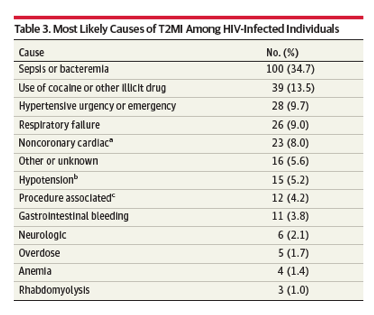
Types Of Myocardial Infarctions In Hiv Type 2 Vs Type 1 Mis

Type 2 Myocardial Infarction A Geriatric Population Based Model Of Pathogenesis
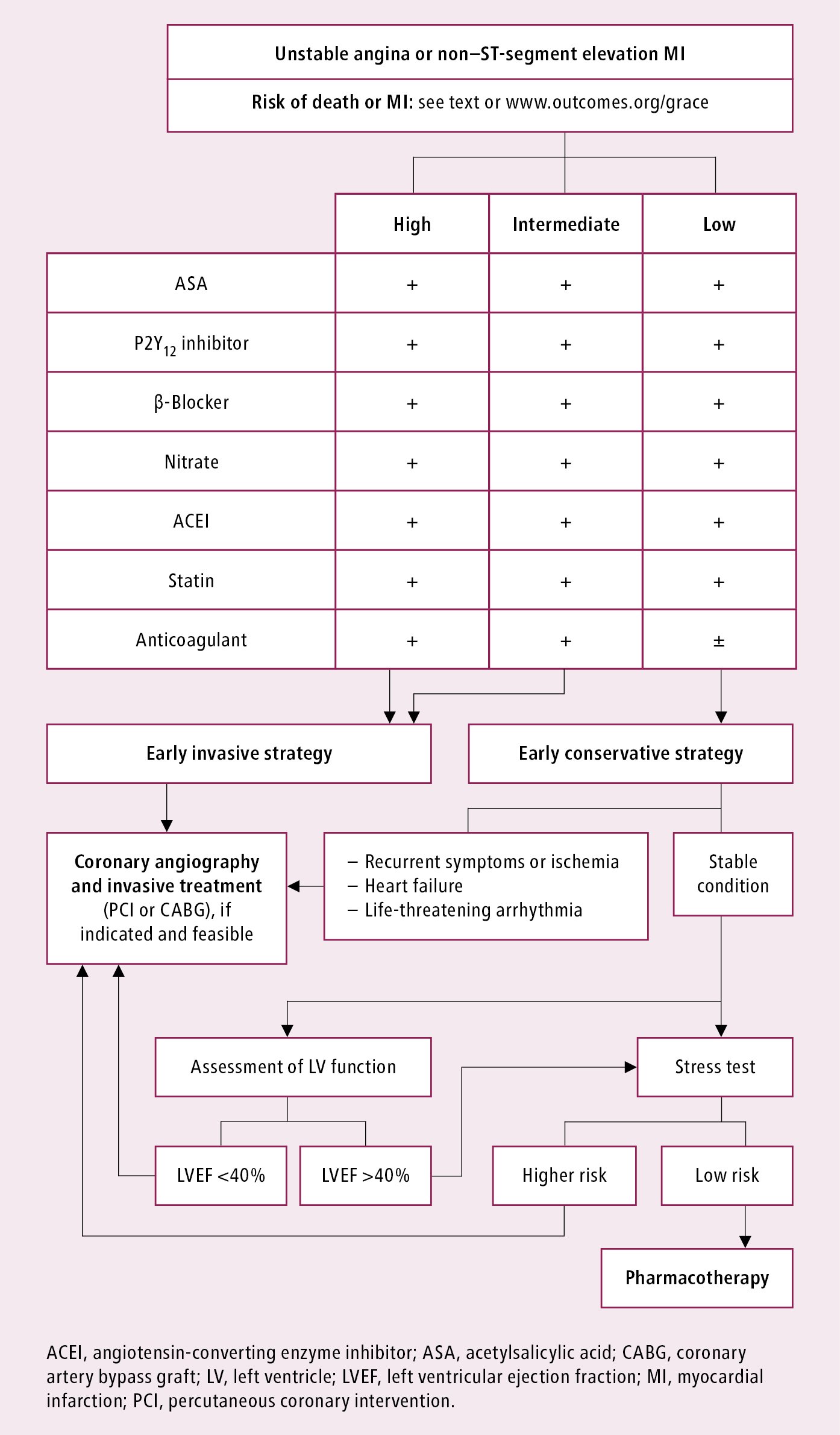
Non St Segment Elevation Myocardial Infarction Nstemi And Unstable Angina Ua Acute Coronary Syndrome Acs Ischemic Heart Disease Ihd Cardiovascular Diseases Diseases Mcmaster Textbook Of Internal Medicine

Fourth Universal Definition Of Myocardial Infarction 18 Journal Of The American College Of Cardiology

Type 2 Myocardial Infarction A Geriatric Population Based Model Of Pathogenesis

Assessment And Treatment Of Patients With Type 2 Myocardial Infarction And Acute Nonischemic Myocardial Injury Circulation

Assessment And Treatment Of Patients With Type 2 Myocardial Infarction And Acute Nonischemic Myocardial Injury Circulation

Different Causes Of Death In Patients With Myocardial Infarction Type 1 Type 2 And Myocardial Injury Sciencedirect
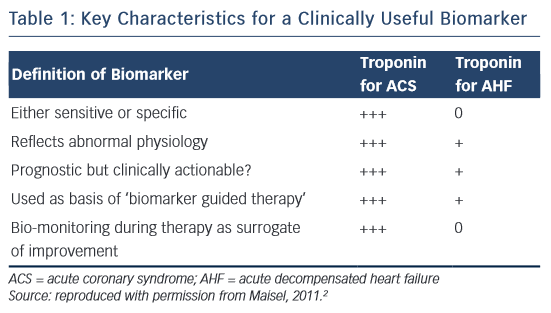
Role Of Cardiac Troponin Levels In Acute Heart Failure Cfr Journal
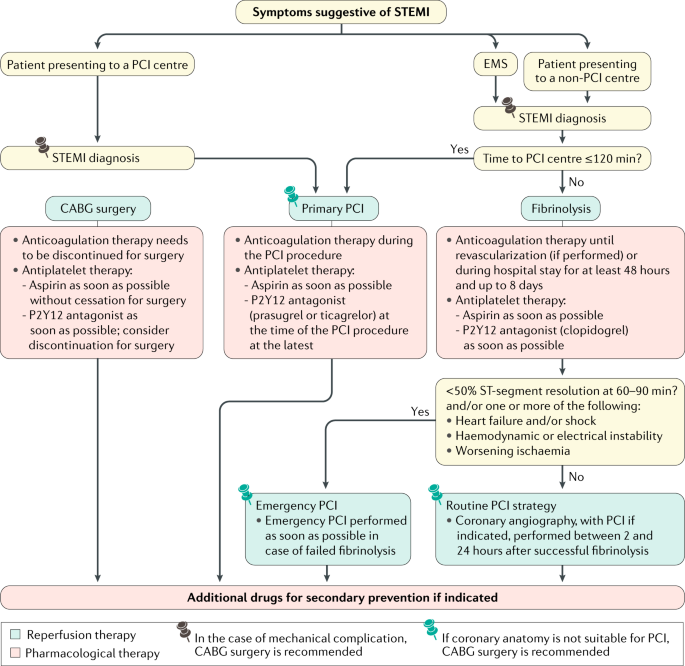
St Segment Elevation Myocardial Infarction Nature Reviews Disease Primers

Myocardial Infarction Heart Attack Stemi Vs Nstemi Lecturio
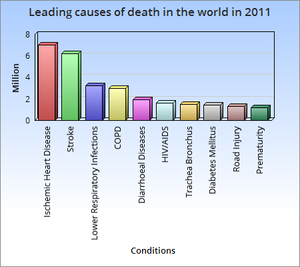
Myocardial Infarction Physiopedia
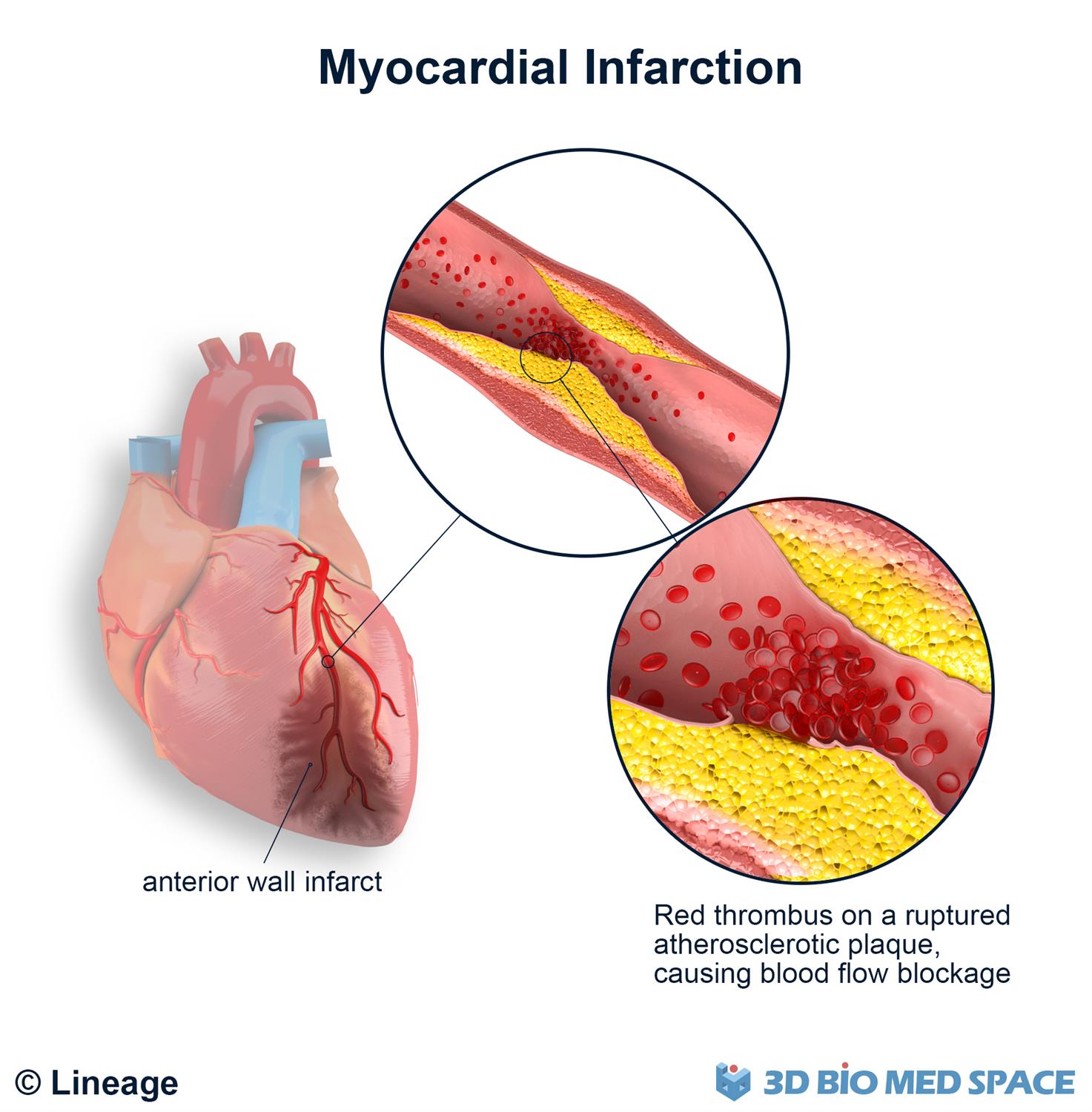
Myocardial Infarction Cardiovascular Medbullets Step 2 3

Acute Myocardial Infarction Mi Cardiovascular Disorders Msd Manual Professional Edition

Acute Coronary Syndrome Diagnostic Evaluation American Family Physician

Fourth Universal Definition Of Myocardial Infarction 18 Journal Of The American College Of Cardiology
Www Med Umich Edu Clinical Troponin t assay educational presentation Pdf

Acute Coronary Syndrome Amboss

Assessment And Classification Of Patients With Myocardial Injury And Infarction In Clinical Practice Heart

Echocardiographic Patterns Of Postresuscitation Myocardial Dysfunction Resuscitation
Www Amjmed Com Article S0002 9343 14 3 Pdf
Acute Coronary Syndromes Unstable Angina And Non St Segment Elevation Myocardial Infarction Washington Manual Of Medical Therapeutics
Pdf Type Ii Myocardial Infarction Patient Characteristics Management And Outcomes Semantic Scholar

Concise Review Optimized Strategies For Stem Cell Based Therapy In Myocardial Repair Clinical Translatability And Potential Limitation Wu 18 Stem Cells Wiley Online Library

Elevated Troponin In Patients With Coronavirus Disease 19 Possible Mechanisms Journal Of Cardiac Failure

Different Causes Of Death In Patients With Myocardial Infarction Type 1 Type 2 And Myocardial Injury The American Journal Of Medicine

Pulmcrit Acute Infection Myocardial Infarction How Afraid Should We Be

Type 2 Myocardial Infarction Due To Supply Demand Mismatch Sciencedirect

Mitochondria In Acute Myocardial Infarction And Cardioprotection Ebiomedicine

Medication Management Of Chronic Pain In Patients With Comorbid Cardiovascular Disease

Invasive Versus Non Invasive Management Of Older Patients With Non St Elevation Myocardial Infarction Senior Nstemi A Cohort Study Based On Routine Clinical Data The Lancet

Assessment And Treatment Of Patients With Type 2 Myocardial Infarction And Acute Nonischemic Myocardial Injury Circulation

Mortality From Coronary Heart Disease In Subjects With Type 2 Diabetes And In Nondiabetic Subjects With And Without Prior Myocardial Infarction Nejm
Canadiem Org Wp Content Uploads 17 05 Crackcast Shownotes Episode 78 Acute Coronary Syndrome Part A Pdf
Www Escardio Org Static File Escardio Education General Topic pages Covid 19 Esc guidance document Esc Guidance Covid 19 Pandemic Pdf

Type 2 Myocardial Infarction The Chimaera Of Cardiology Heart

Universal Definition Of Myocardial Infarction Circulation

Type 2 Myocardial Infarction The Chimaera Of Cardiology Heart

Pdf Current Status Of The Clinical Epidemiology Of Myocardial Infarction In Men And Women A National Cross Sectional Study In Iran
Www Jscimedcentral Com Cardiology Cardiology 5 1118 Pdf
Www Amjmed Com Article S0002 9343 14 3 Pdf

Acute Coronary Syndromes Litfl Ccc Cardiology
Third Universal Definition Of Myocardial Infarction Nature Reviews Cardiology

Acute Myocardial Infarction Mi Cardiovascular Disorders Msd Manual Professional Edition

Lncrna H19 Alleviated Myocardial I Ri Via Suppressing Mir 877 3p l 2 Mediated Mitochondrial Apoptosis Molecular Therapy Nucleic Acids

Risk Factors Mortality And Cardiovascular Outcomes In Patients With Type 2 Diabetes Nejm

Type 2 Versus Type 1 Myocardial Infarction A Comparison Of Clinical Characteristics And Outcomes With A Meta Analysis Of Observational Studies Gupta Cardiovascular Diagnosis And Therapy


