Nk 15 Rocket Engine
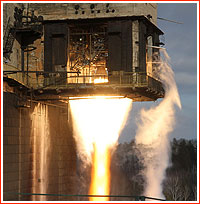
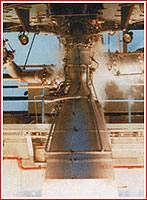
Nk 33 14d15 Rocket Engine
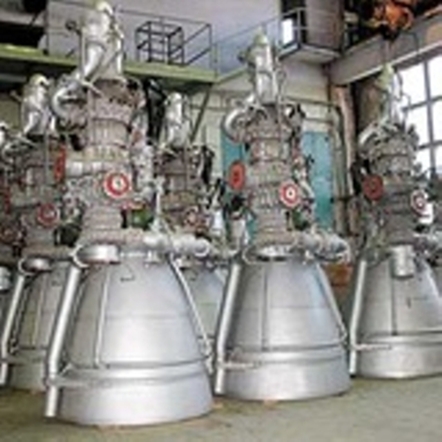
Antares Orb 3 Failure Discussion Thread
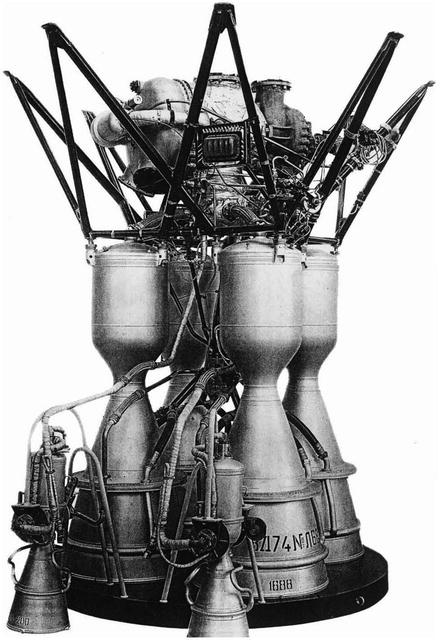
Russian Engine Technologies Springerlink
Sites Nationalacademies Org Cs Groups Depssite Documents Webpage Deps Pdf

Inside The 1960s Era Soviet Engines That Downed The Antares Rocket Bestride
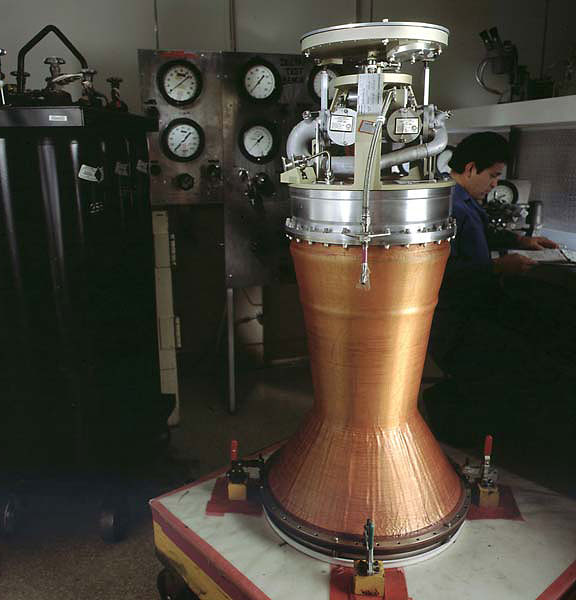
Aerojet And Orbital Complete Main Engine Lifetime Testing For Taurus Ii Space Launch Vehicle
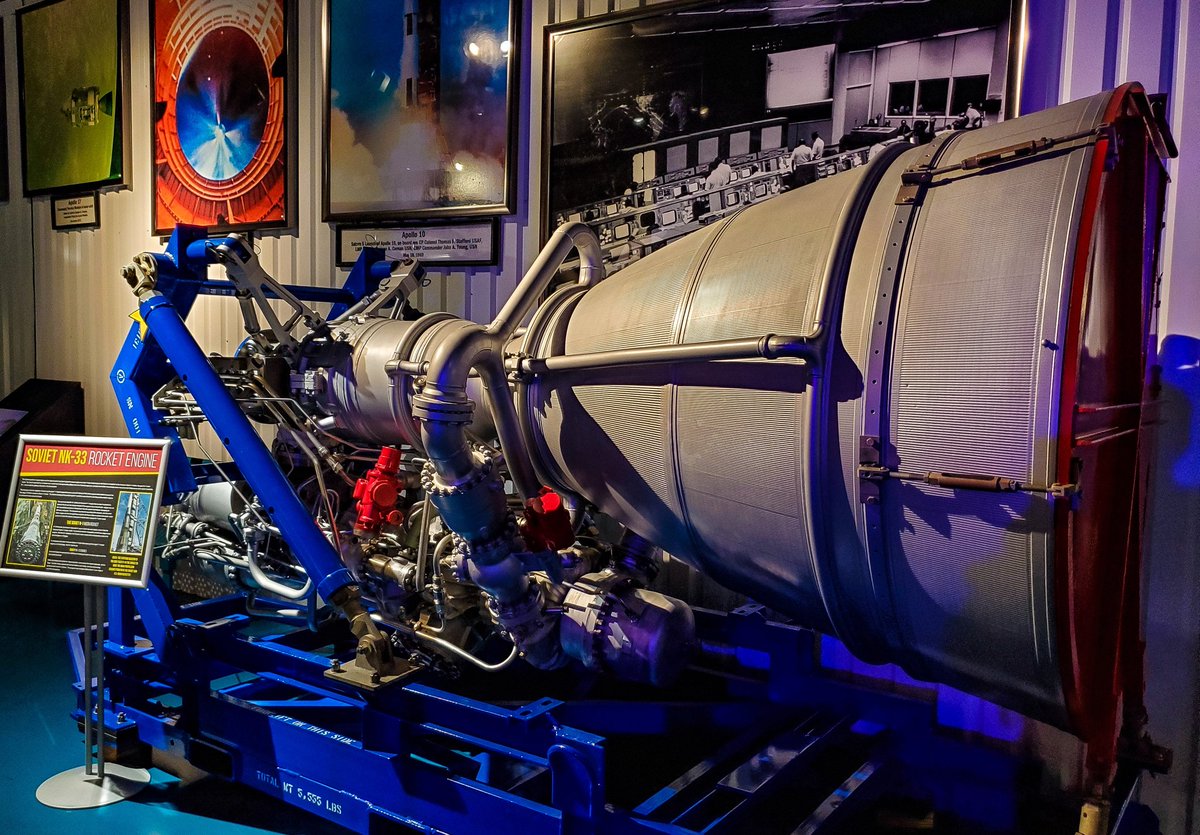
The NK33 was the successor to the NK15 engines used in the failed Soviet N1 Moon launcher NK33 have been used with the Russian Proton launch system An interesting discussion of the Soviet Moon rocket, its engines and the NK33 successor can be found here, along with spectacular video of the launch and explosion.
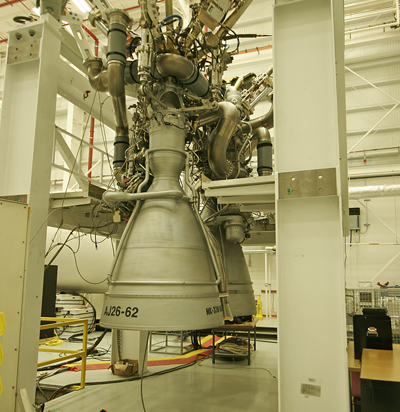
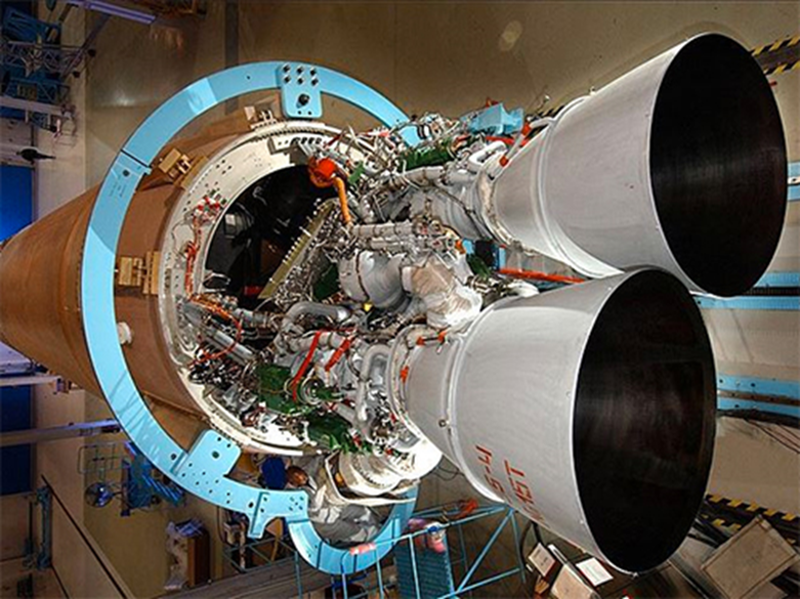
Nk 15 rocket engine. The NK33 is a venerable engine that was used on the soviet N1 moon rocket under the name NK15 and is used in an Aerojetrefurbished version on the Orbital Sciences Antares launcher first stage After the failure of the soviet moon program, the remaining NK15s were stored in a secure location and are currently refurbished by its manufacturer. These NK33 engines were designed and built over 40 years ago by the USSR government bureau designated OKB276, aka Kuznetsov Design Bureau, as upgraded versions of NK15 engines used in the. He proposed the N1 rocket’s first stage utilize a complex cluster of the small engines, a wildly complicated solution With the Soviet moon mission collapsing into a political quagmire, development of the NK15powered N1 began Its development would, however, be fraught with complications and problems.
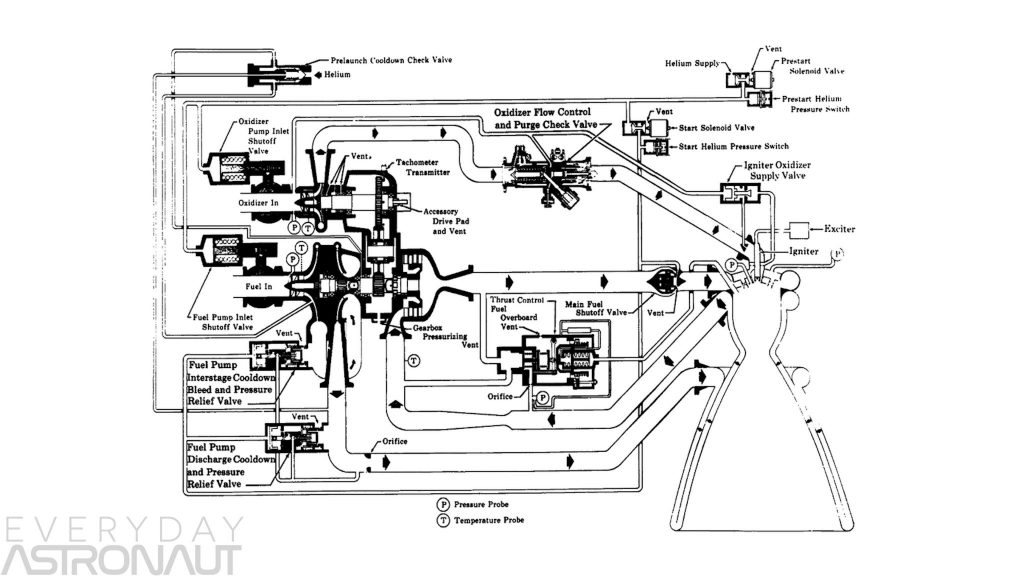
The most famous rocket engines are the They are upgraded versions of the the NK15 and Rocket Engines Boeing Rocketdyne RS68 x0av6June 26, 16 The Boeing RS68 is a liquid hydrogen and liquid oxygen powered rocket engine that is used in the Delta IV launch vehicle family History Development began. Kuznetsov later evolved that design into the NK15 and NK33 engines for the unsuccessful Lunar N1 rocket The first stage of the Soyuz21v is a heavily modified derivative of the Soyuz2 first stage, with a singlechamber NK33 engine replacing the fourchamber RD117 used on previous rockets along with structural modifications to the stage and lower tanking Although the rocket as a whole. In 1959 With The NK9 Engine •Initiated NK15 Development In 1963 •NK33 Development Completed In 1972 • All Engines Use Oxrich Staged Combustion Cycle With LOX/Kerosene Propellants • First Stage – 30 NK15/33 – 154 Metric Tons (339,500 Lbf) – 331 Seconds (2771 Ar) • Second Stage – 8 NK15V/43 – 179 Metric Tons (394,600 Lbf).
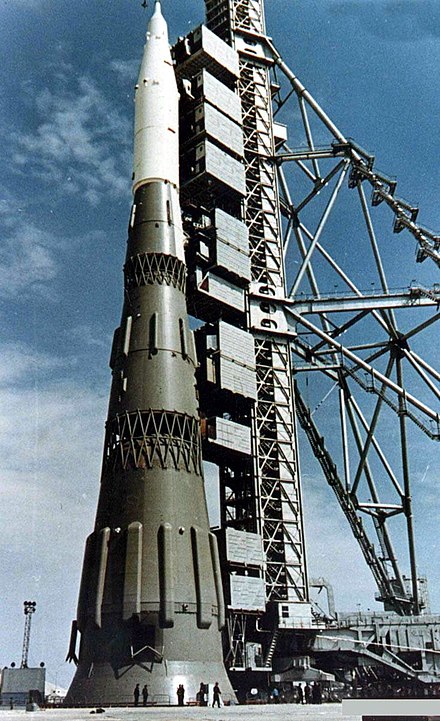
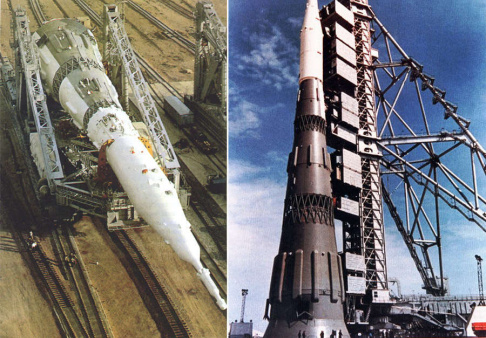
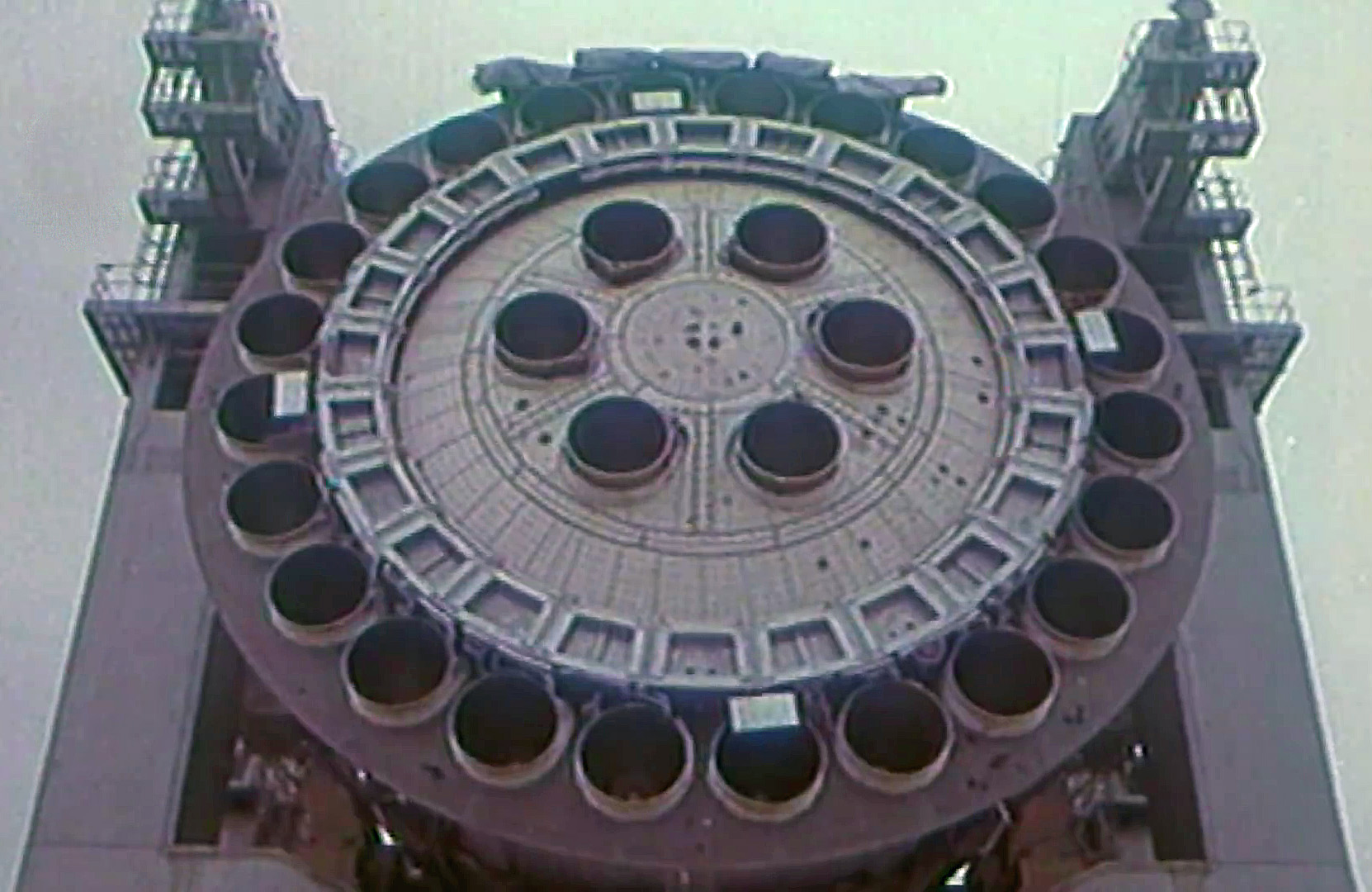
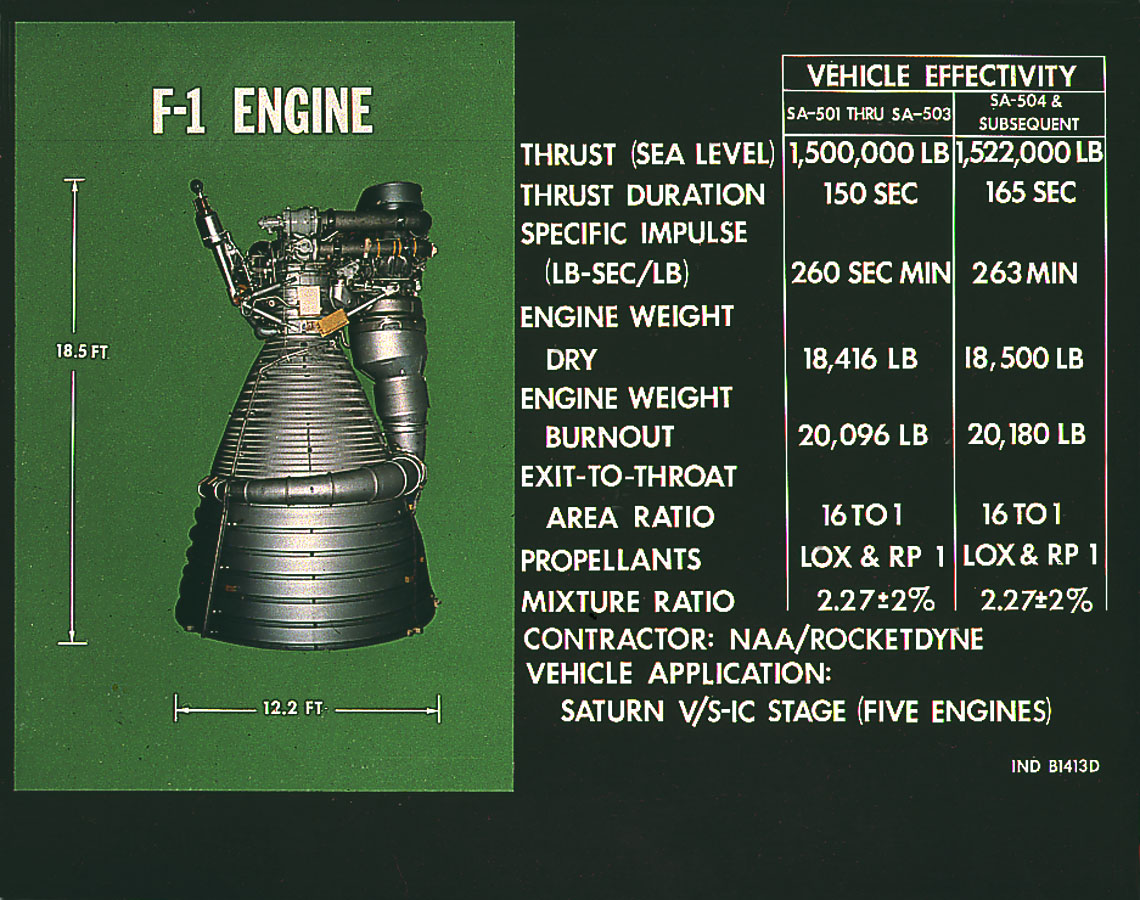
That's a pretty wide open question, so how about a quick lesson on the two primary types of fuel The space shuttle used both Rockets are propelled by expelling their burnt fuel at a very high speed The two primary types of fuel are solid and. Each of the 30 NK15 engines could lift about 1,500 kilonewtons or kN (1 kilonewton equals pounds of force) compared to a single F1 engine thrust of 7,000 kN The total thrust of the first stage of the Soviet N1 Moon rocket was 45,400 kN, which was significantly greater than the Saturn V’s booster thrust of 35,100 kN and the N1 Moon. They added a helium gas accumulator in the LOX line of the center engine This reservoir served to dampen or absorb fluid pressure oscillations, keeping them out of phase with the vibrations of the thrust structure and engines Soviet N1 The Soviet N1 rocket2 had thirty NK15 rocket engines Its height was over 100 meters.
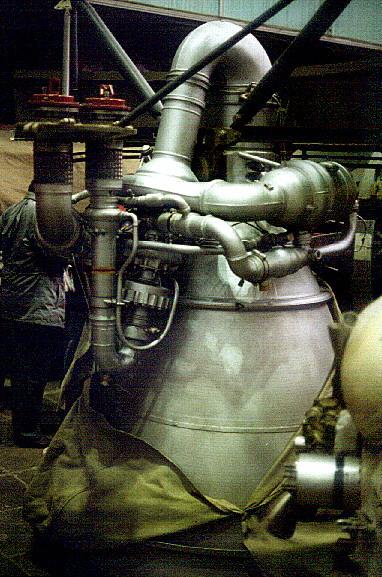
These NK33 engines were designed and built over 40 years ago by the USSR government bureau designated OKB276, aka Kuznetsov Design Bureau, as upgraded versions of NK15 engines used in the. He proposed the N1 rocket’s first stage utilize a complex cluster of the small engines, a wildly complicated solution With the Soviet moon mission collapsing into a political quagmire, development of the NK15powered N1 began Its development would, however, be fraught with complications and problems. The NK15 (GRAU index 11D51) is a rocket engine designed and built in the late 1960s by the Kuznetsov Design Bureau The NK designation is derived from the initials of chief designer Nikolay Kuznetsov The NK15 was among the most powerful LOX/RP1 rocket engines when it was built, with a high specific impulse and low structural.
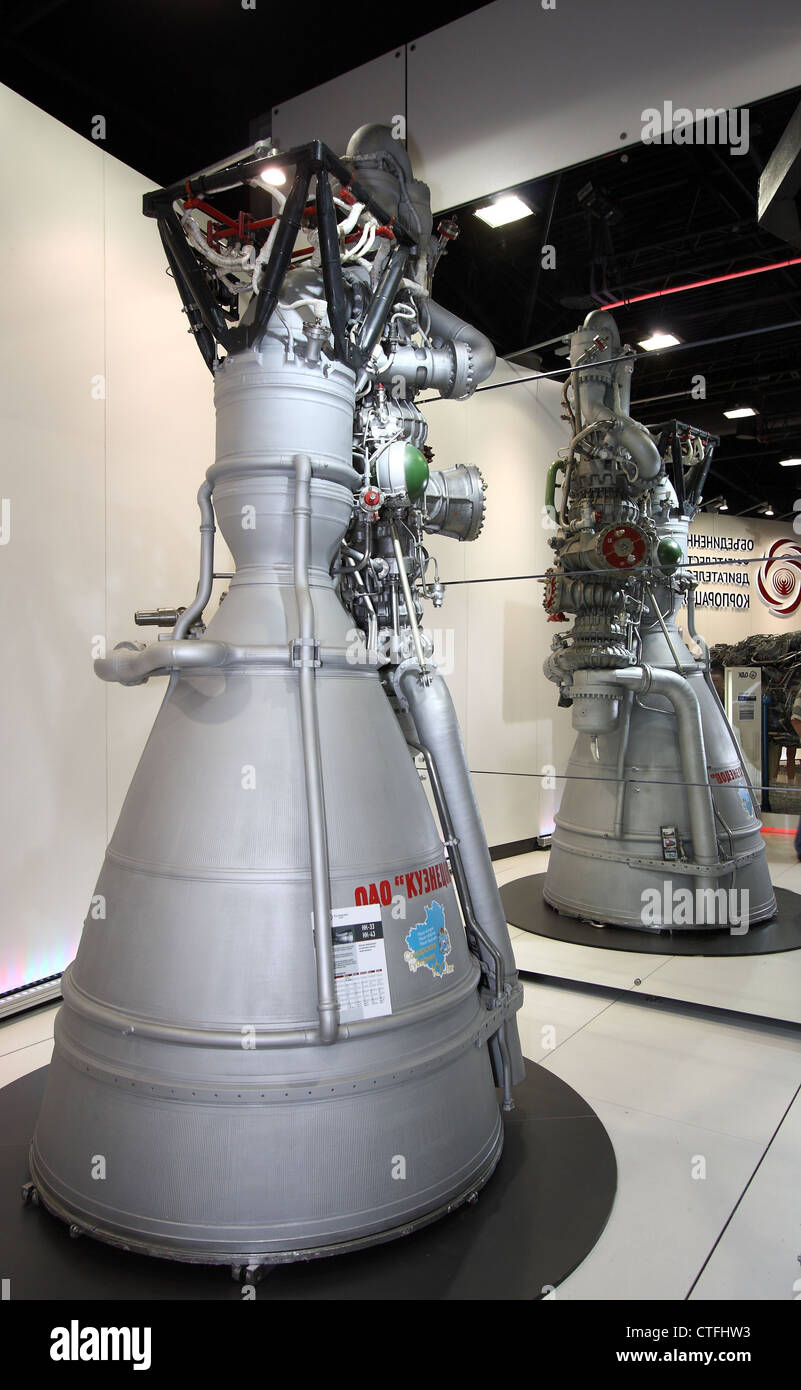
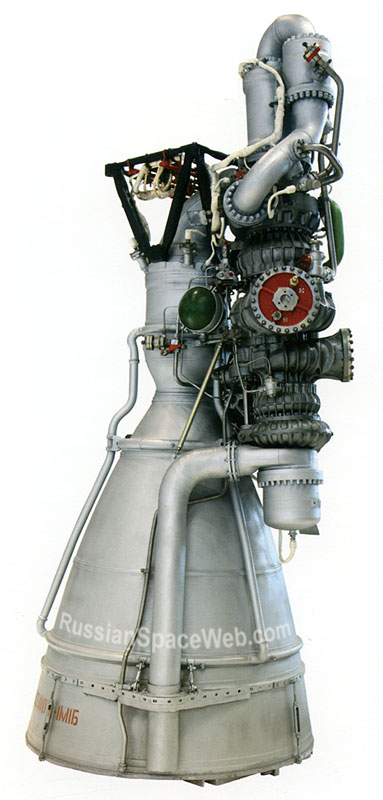
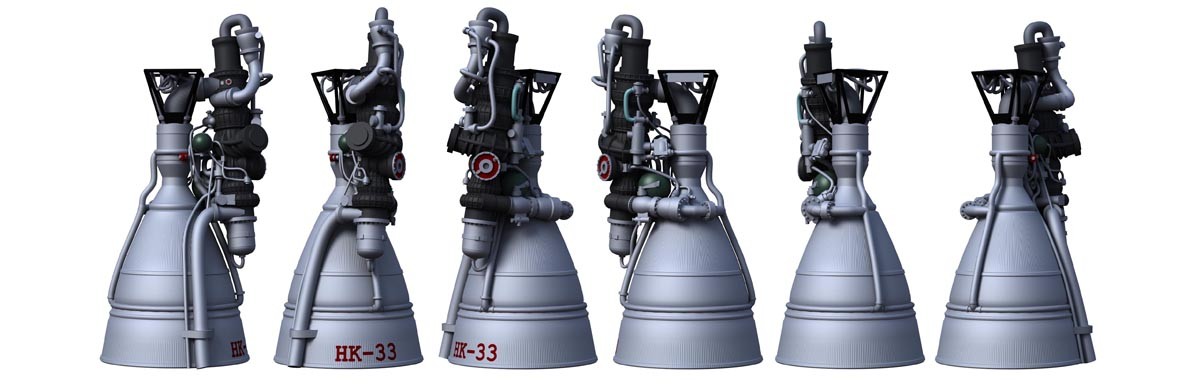
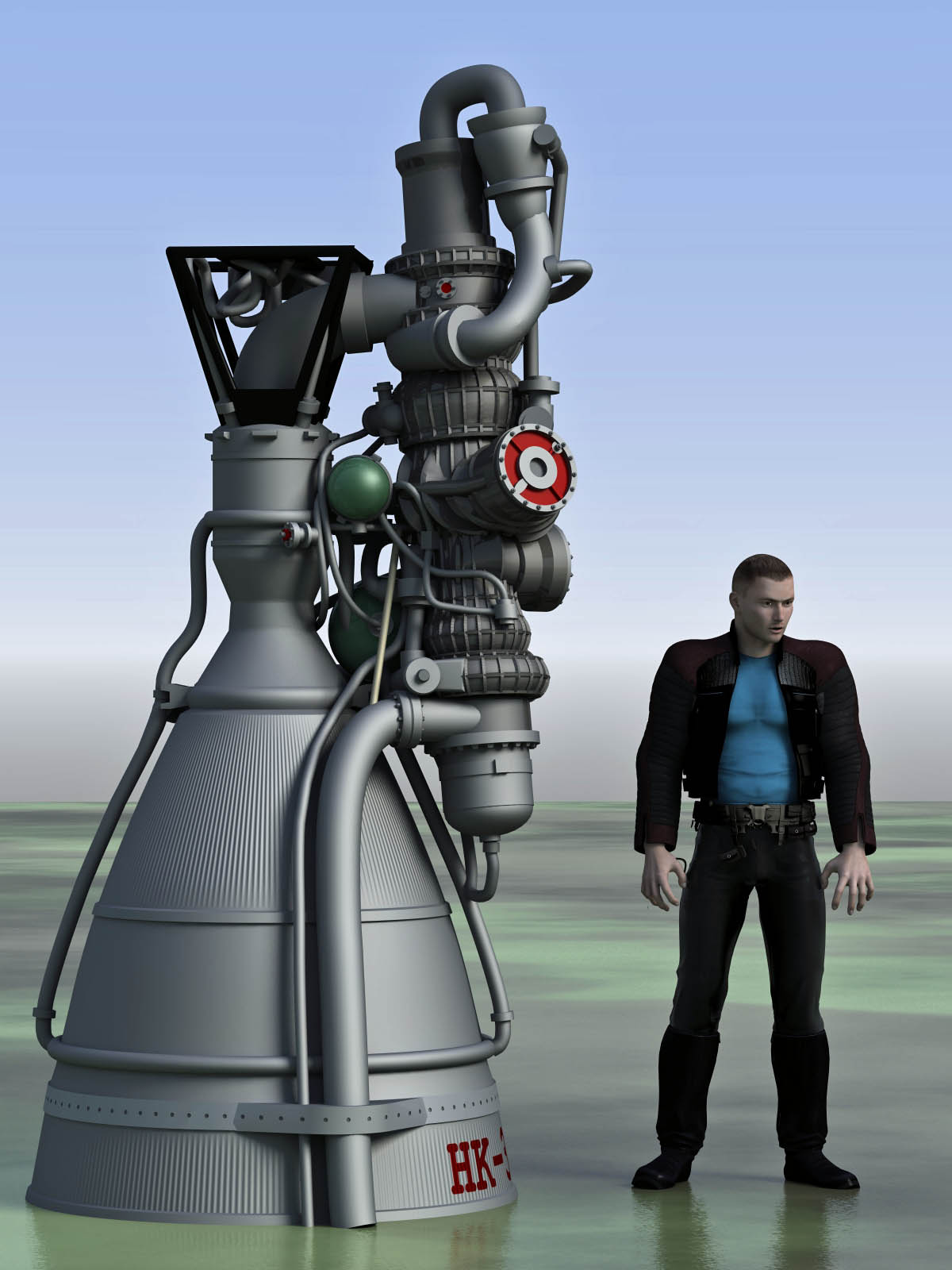
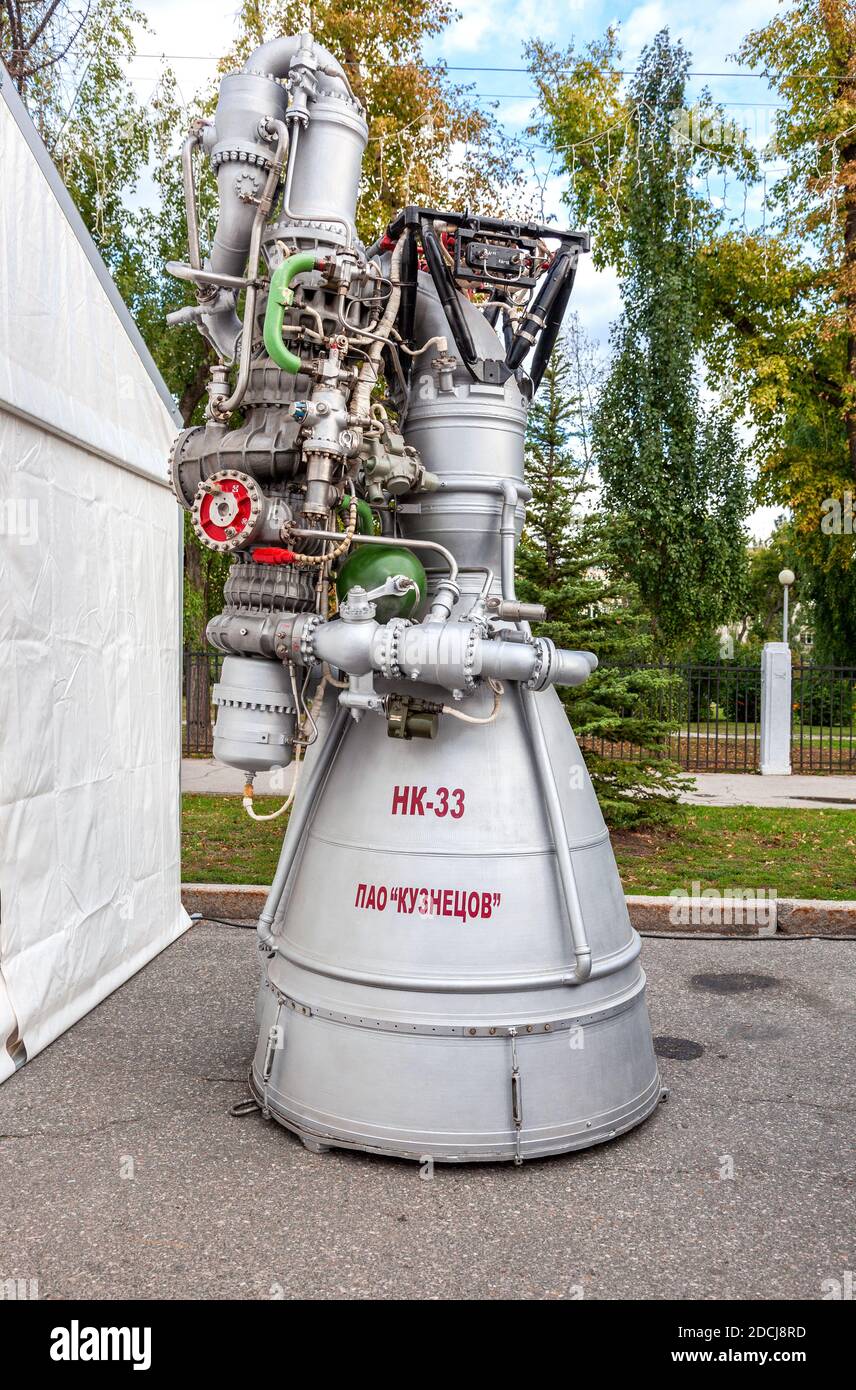
NK33 engine The NK33 became the last upgrade of a similar engine developed during the Moon Race Like its predecessor NK15 the engine would power the first stage of the N1 launch vehicleComparing to its predecessor, NK33 sported simplified pneumatic and hydraulic systems, more advanced controls, upgraded turbopumps and combustion chamber. NK15V Kuznetsov LOx/Kerosene rocket engine Development ended 1964 Development ended 1964 Developed from the NK9 8 engines, featuring highexpansion nozzles, used on N1 Stage 2. By contrast, the NK15 engines from the Kuznetsov design bureau, which were used in the N1's first stage, could each generate only 154 tonnes of thrust The result was that 30 NK15s were needed.
It would be necessary to build a 150 tonne thrust closedcycle rocket engine for use in the launch vehicle (at that time the largest rocket engine chamber built in Russia was 40 tonnes, open cycle) 24 NK15/11D51 engines would be used in the first stage, 8 NK15V/11D52 engines in the second stage, and 4 smaller NK19/11D53 engines in the third. The NK15 (GRAU index 11D51) is a rocket engine designed and built in the late 1960s by the Kuznetsov Design Bureau The NK designation is derived from the initials of chief designer Nikolay Kuznetsov The NK15 was among the most powerful LOX/RP1 rocket engines when it was built, with a high specific impulse and low structural. That's a pretty wide open question, so how about a quick lesson on the two primary types of fuel The space shuttle used both Rockets are propelled by expelling their burnt fuel at a very high speed The two primary types of fuel are solid and.
The (illfated) Soviet N1 moon rocket used stagedcombustion NK15 and NK33 wikipediaorg rocket engines (the American Saturn V moon rocket used gas generator rocket engines) The first western (German, not US) staged combustion engine was in 1963, and it was a laboratory test only. It would be necessary to build a 150 tonne thrust closedcycle rocket engine for use in the launch vehicle (at that time the largest rocket engine chamber built in Russia was 40 tonnes, open cycle) 24 NK15/11D51 engines would be used in the first stage, 8 NK15V/11D52 engines in the second stage, and 4 smaller NK19/11D53 engines in the third. The NK15 (GRAU index 11D51) is a rocket engine designed and built in the late 1960s by the Kuznetsov Design BureauThe NK designation is derived from the initials of chief designer Nikolay Kuznetsov The NK15 was among the most powerful LOX/RP1 rocket engines when it was built, with a high specific impulse and low structural mass It was intended for the illfated Soviet N1 Moon rocket.
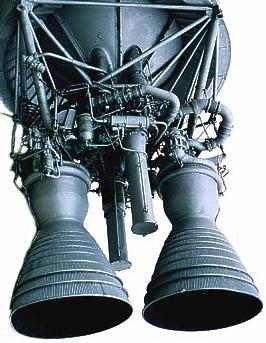
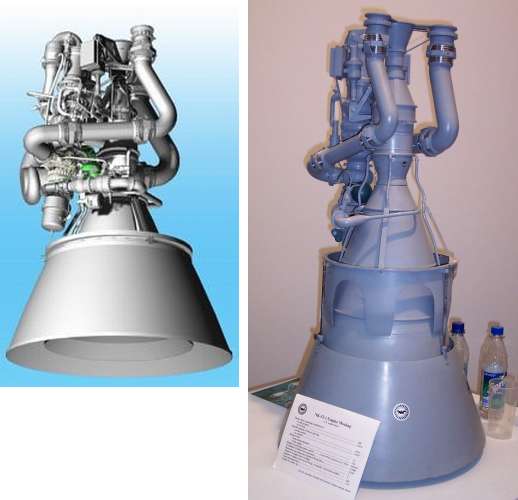
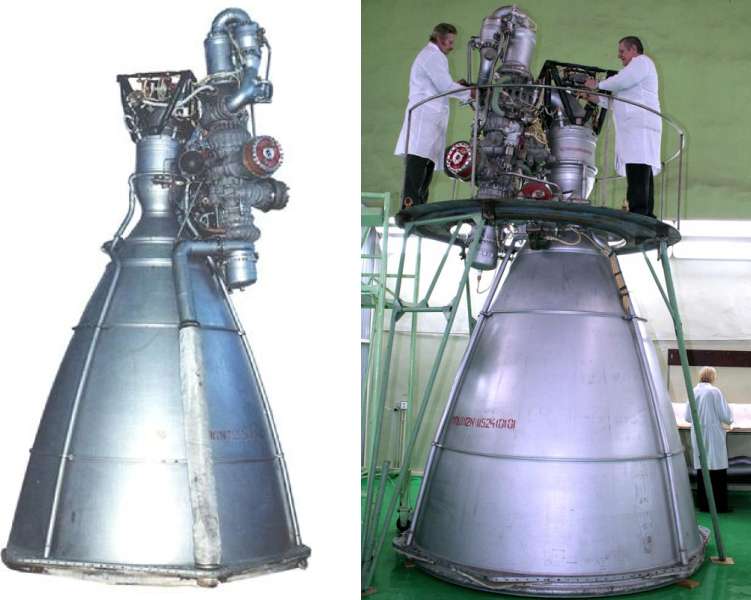
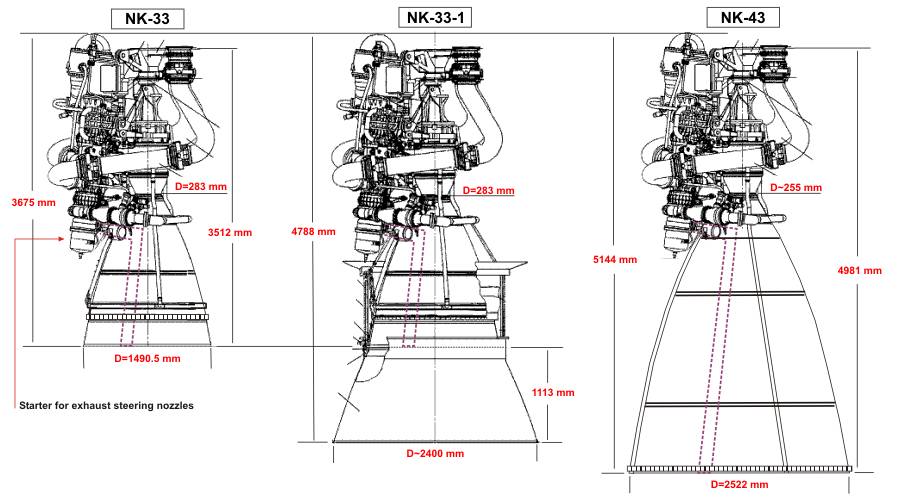
The engine made for their moon rocket was called the NK15 The N1 launcher originally used thirty NK15 engines for its first stage After four consecutive launch failures and no successes, the project was cancelled While other aspects of the vehicle were being modified or redesigned, the Russian company made modifications to the design of. Note All other informations for NK15 and NK15V are obviously not correct For NK15/NK33 and NK15V/NK43 used mostly identical data That must be wrong because the old and the new engines are significantly different from each other (compare the images). (Under the designation of NK15, and NK15V for the high altitude version) This design was a direct result of a blazing row between the Chief Designer, (Sergey Korolev), and the best rocket engine designer, Valentin Glushko.
Than 0 engines, following nearly 90,000 seconds of testing on nearly 600 engines for NK15 development and production prior to the first flight of the Nl In 1995, Aerojet brought an NK33 engine to its liquid rocket test facility and conducted a series of tests as part of its Evolved Expendable Launch Vehicle (EELV). The NK33 is a venerable engine that was used on the soviet N1 moon rocket under the name NK15 and is used in an Aerojetrefurbished version on the Orbital Sciences Antares launcher first stage After the failure of the soviet moon program, the remaining NK15s were stored in a secure location and are currently refurbished by its manufacturer. The NK33 and NK43 are rocket engines designed and built in the late 1960s and early 1970s by the Kuznetsov Design BureauThe NK designation is derived from the initials of chief designer Nikolay Kuznetsov The NK33 was among the most powerful LOX/RP1 rocket engines when it was built, with a high specific impulse and low structural mass They were intended for the illfated Soviet N1 moon.
The NK33 engine is derived from the NK15 engine used on the Soviet Union's N1 rocket, a massive launcher designed to hurl manned lunar landers toward the moon It was Russia's answer to NASA's. The design was developed by Kuznetsov into the NK15 and NK33 engines in the 1960s, and claimed them to be the highestperformance rocket engines ever built, which were to propel the N1 lunar rocket—one that was never successfully launched JSC KuznetsovWikipedia. That's a pretty wide open question, so how about a quick lesson on the two primary types of fuel The space shuttle used both Rockets are propelled by expelling their burnt fuel at a very high speed The two primary types of fuel are solid and.
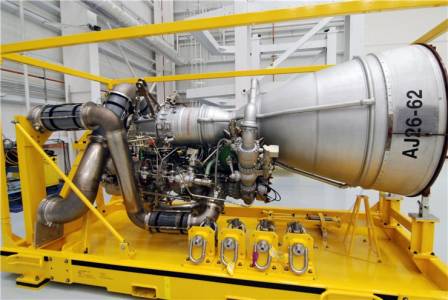
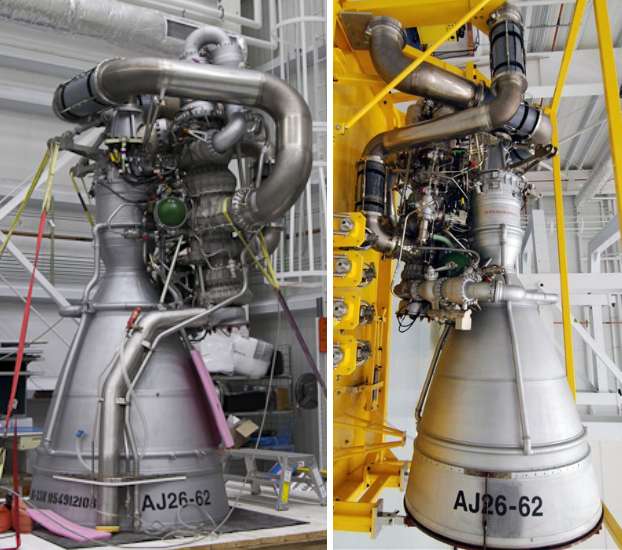
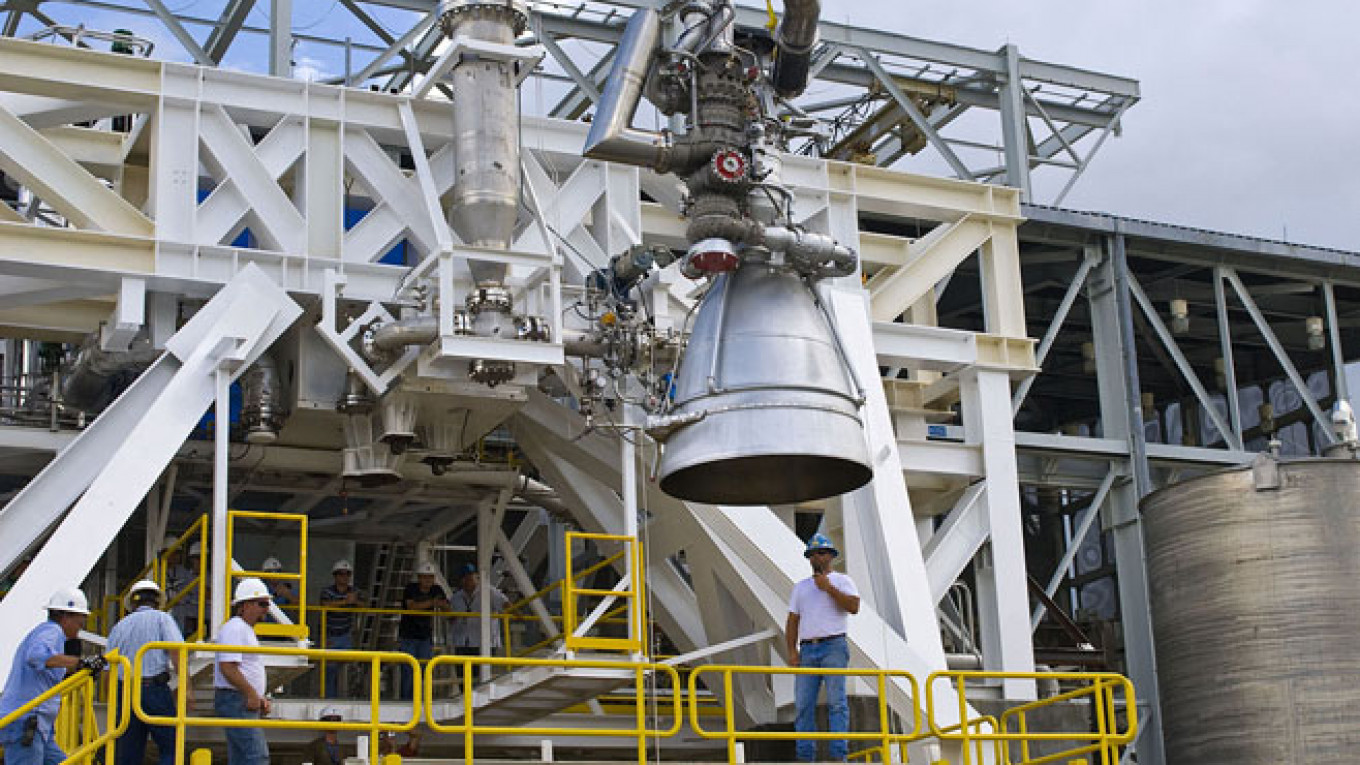
Each of the 30 NK15 engines could lift about 1,500 kilonewtons or kN (1 kilonewton equals pounds of force) compared to a single F1 engine thrust of 7,000 kN The total thrust of the first stage of the Soviet N1 Moon rocket was 45,400 kN, which was significantly greater than the Saturn V’s booster thrust of 35,100 kN and the N1 Moon. The NK33 engine is derived from the NK15 engine used on the Soviet Union's N1 rocket, a massive launcher designed to hurl manned lunar landers toward the moon It was Russia's answer to NASA's. Kuznetsov later evolved that design into the NK15 and NK33 engines for the unsuccessful Lunar N1 rocket Rocket engine Wikipedia On 22 May 14, an AJ26 rocket engine under test on the Stennis E1 test stand, for a future Orbital Sciences Antares launch, failed and caused major damage to the E1 test stand.
The NK15 engines used in the Soviet N1 rocket could only be fired once, and testing was limited to firing a subset of engines from each production batch $\endgroup$ – Christopher James Huff Dec 29 ' at 1721 $\begingroup$ Shuttle also rarely did a "Flight Readiness Firing" on the launch pad where all 3 installed engines were fired I. Rocket engines NK9 NK15 NK19 NK33 Aerojet, successfully test fired a Russian NK33 rocket engine, duplicating the original acceptance test performed over 22 years ago The 40second test. The RD170 engine development initiated under Valentin Glushko, founder of NPO Energomash, over 40 years ago following a series of N1/NK15 Moon Program failures The NK15 engine was designed and developed under the direction of Sergei Korolev Chief Designer for RKK Energiya (and following his death in 1966, by Vasily Mishin).
Like its predecessor NK15 the engine would power the first stage of the N1 launch vehicle Comparing to its predecessor, NK33 sported simplified pneumatic and hydraulic systems, more advanced controls, upgraded turbopumps and combustion chamber. The Soviet N1 rocket had thirty NK15 rocket engines Its height was over 100 meters The N1 had four unmanned flight tests Each resulted in failure before first stage separation The N1 never had a successful mission The N1 had exhaust plume fluid dynamic problems, as well as vibration problems. As early as 1961, Korolev began designing a superheavy launch rocket the N1, which used an NK15 liquid fuel engine and was of the same scale as the Saturn V With the capacity for a three.
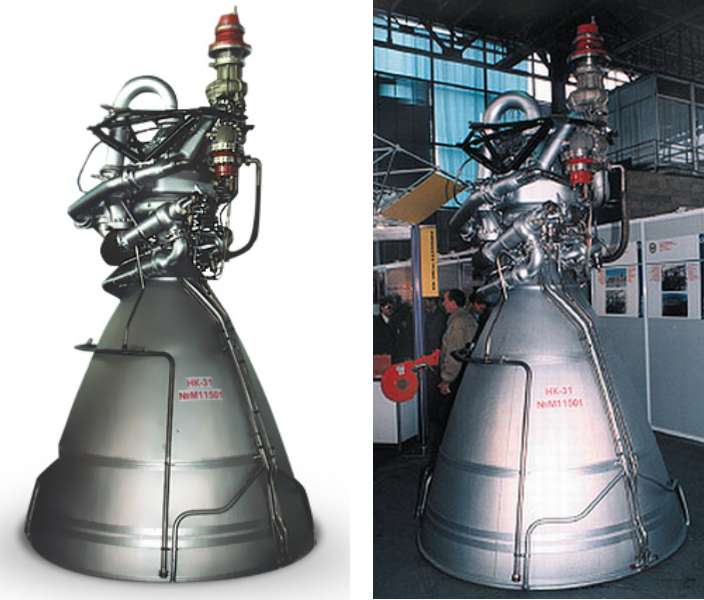
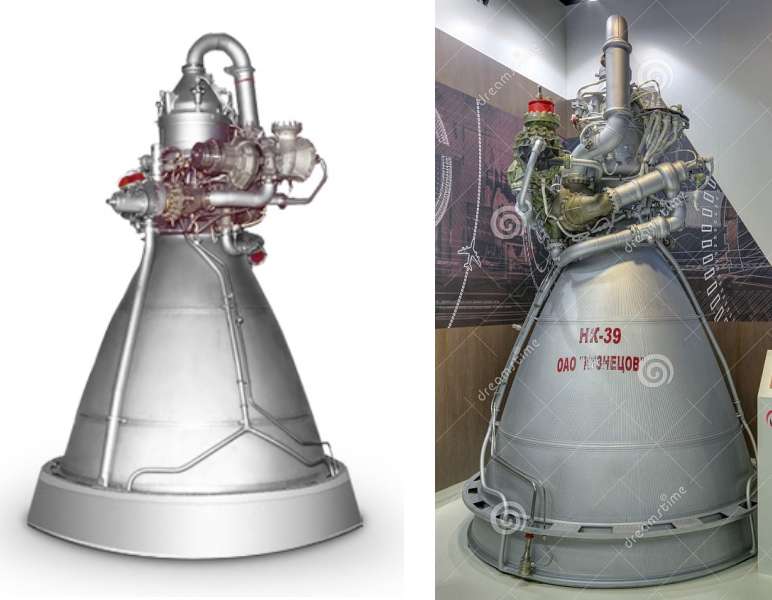
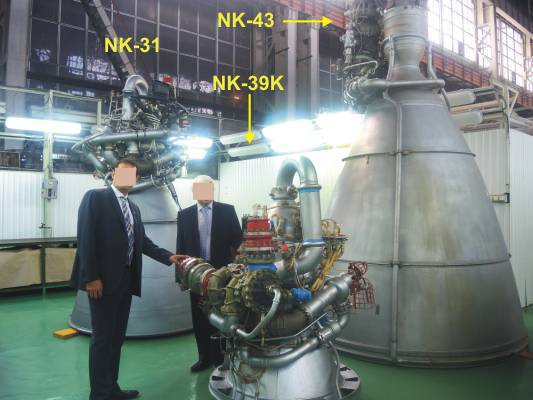
Each of the 30 NK15 engines could lift about 1,500 kilonewtons or kN (1 kilonewton equals pounds of force) compared to a single F1 engine thrust of 7,000 kN The total thrust of the first stage of the Soviet N1 Moon rocket was 45,400 kN, which was significantly greater than the Saturn V’s booster thrust of 35,100 kN and the N1 Moon. A rocket engine's nozzle is specifically designed so that the exhaust air is expanded to be equal in pressure with the ambient pressure this is when maximum efficiency is created At sea level, there is high ambient air pressure, so most seale. The NK33 and NK43 engines are upgraded versions of the NK15 and NK15V engines The NK31 and NK39 engines are upgraded versions of the NK19 and NK21 engines LH2/LOX engines for an upgraded variant N1M The RD57 (11D57) LH2/LOX engine was developed as a replacement for the NK31 and NK39.
The result was the NK9, one of the first stagedcombustion cycle rocket engines The design was developed by Kuznetsov into the NK15 and NK33 engines in the 1960s, and claimed them to be the highestperformance rocket engines ever built, which were to propel the N1 lunar rocket—one that was never successfully launched 1. The RD170 engine development initiated under Valentin Glushko, founder of NPO Energomash, over 40 years ago following a series of N1/NK15 Moon Program failures The NK15 engine was designed and developed under the direction of Sergei Korolev Chief Designer for RKK Energiya (and following his death in 1966, by Vasily Mishin). The engine made for their moon rocket was called the NK15 The N1 launcher originally used thirty NK15 engines for its first stage After four consecutive launch failures and no successes, the project was cancelled While other aspects of the vehicle were being modified or redesigned, the Russian company made modifications to the design of.
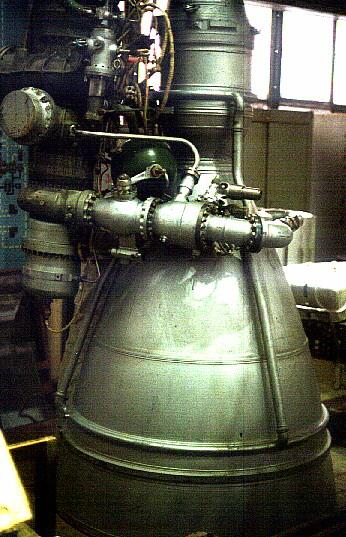
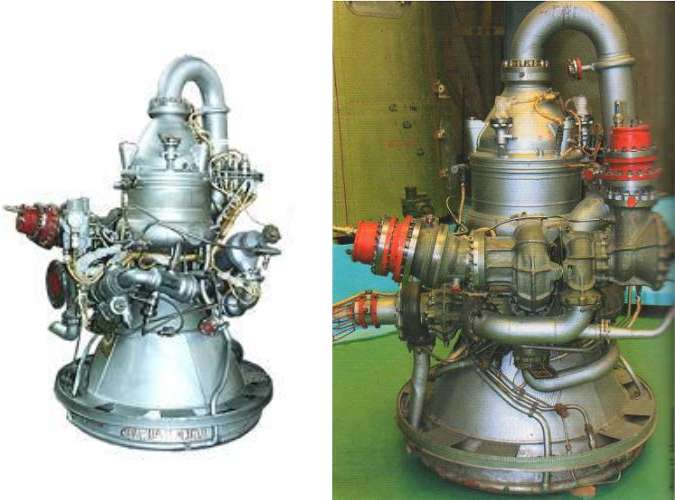
Note All other informations for NK15 and NK15V are obviously not correct For NK15/NK33 and NK15V/NK43 used mostly identical data That must be wrong because the old and the new engines are significantly different from each other (compare the images). The NK15 was actually used on the N1 The NK33 are the modified NK15 engines sold to Kistler The NK15 is based off the design for the NK9 The engines in the R7, the RD107/108, were single turbopumps (one for fuel and one for oxidizer) driving four combustion chambers. Kuznetsov, who had limited experience in rocket design, responded with the NK15, a fairly small engine that would be delivered in several versions tuned to different altitudes To achieve the required amount of thrust, it was proposed that 30 NK15s would be used in a clustered configuration.

Lego Soviet N1 Moon Rocket 00 00 The N 1 Was A Heavy Lift Flickr
Spacex Raptor Wikiwand

Rocket Engines For Android Apk Download

Space Rocket Jet Engine Nk 33 Editorial Photography Image Of Nozzle Engine

The Atlas Delta Upper Stage Engine The Rl10 Youtube
Antares Aj 26 Engine Russian Nk 33 Suffers Test Stand Failure Science News Discussion Neowin
N1 Rocket Wikiwand

Aerojet 12 Modifikaciya Nk 33
Nk 15
Asgardia The Space Nation

Aerojet Rocketdyne Aj 26 Engine Fails On The Test Stand Spaceflight Insider

Staged Combustion Cycle Wikiwand
Soviet Rocket Engines Nk
Is Spacex S Raptor Engine The King Of Rocket Engines Everyday Astronaut
Liquid Propellant Rocket Engine Nk 33 43 The International Aerospace Stock Photo Alamy
3
Nk 33 14d15 Rocket Engine
Lox Kerosene

Blue Origin S Next Rocket Engine Could Send The First Settlers To The Moon Ieee Spectrum
.jpg)
Preparing Of Nk 33 Engine Mass Production

Nk 33 Engine Now With Pre Release Add On Development Kerbal Space Program Forums
Soviet Rocket Engines Nk
Most Interesting Rocket Engines Rocket Engines Which Are Interesting By Erik Engheim Medium
Nk 33 14d15 Rocket Engine

Moon Rocket Engines Reach Space At Last Daily Planet Air Space Magazine
3
Nk 15

Soviet N1 Rocket A 3d Model Our Planet

Nk 33 Rocket Engines Nick Stevens Graphics

Soviet Rocket Engines Nk
Nk 33 14d15 Rocket Engine

Improving The Performance Of Lox Kerosene Upper Stage Rocket Engines Sciencedirect
Is Spacex S Raptor Engine The King Of Rocket Engines Everyday Astronaut
Soviet Rocket Engines Nk

Promethean Fire 150 Engines That Roar
Sites Nationalacademies Org Cs Groups Depssite Documents Webpage Deps Pdf

Russian Space Engines
Nk 33 Rocket Engines Nick Stevens Graphics
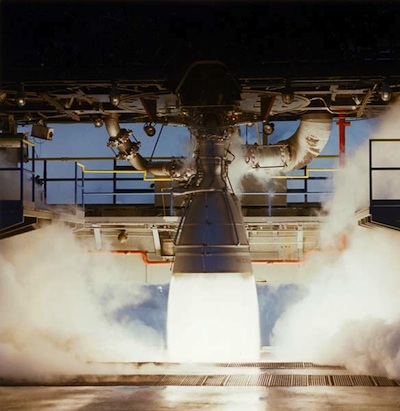
Spaceflight Now Antares Launch Report Antares Rocket Engines Lean On Russian Moon Legacy

The N1 Story Part 2

Detail Of Space Rocket Engine Nk 33 By The Corporation Editorial Image Image Of Discovery Closeup
Soviet Rocket Engines Nk
Rocket Engine Wikipedia

Nk 33 Gravity Loss Now Moved To Gravityloss Com

S1 5400 Wikipedia
Sites Nationalacademies Org Cs Groups Depssite Documents Webpage Deps Pdf

Nikolai Kuznetsov With Nk 33 Rocket Engine Rocket Engine Space Exploration Space Race

Nk 43
Soviet Rocket Engines Nk

Rocket Engine Military Wiki Fandom

Space Rocket Engine Nk 33 Editorial Image Image Of Industrial

Excellence Mask On The Magic Of Merlin Put In A Word Sudo Null It News

Falcon Heavy Prepares For Debut Flight As Musk Urges Caution On Expectations Nasaspaceflight Com
How Did Nasa S Saturn V Moon Rocket For The Apollo Program Have A Larger Payload To Orbit Than The Soviet Union S N1 Moon Rocket Even Though The N1 Had A More Powerful First
Nk 33 Rocket Engines Nick Stevens Graphics
Russian Rocket Tech Comes In From The Cold Hackaday

Space Rocket Engines Nk 33 And Rd 107a By The Corporation Editorial Stock Image Image Of Countdown Aircraft
Nk 33 Rocket Engines Nick Stevens Graphics

Kuznetsov To Present Liquid Rocket Engine Nk 39 For The First Time At The Maks 15 Engineeringrussia

The Engines That Came In From The Cold And How The Nk 33 Rd 180 Came To The Usa Youtube

Soviet N1 Moon Rocket And It S Cluster Of 30 Nk 15 Engines 560 X 768 Machineporn

180 Rocket Engines Ideas In 21 Rocket Engine Rocket Engineering
N1 Rocket Resource Learn About Share And Discuss N1 Rocket At Popflock Com

Nk 33 And Nk 43 Rocket Engines Aerospaceguide Net

Aerojet Aj26 Rocket Engine West East Space
1

Rd 270 Most Powerful Hypergolic Motor Built Space

Nk 33
Soviet Rocket Engines Nk
Nk 33 14d15 Rocket Engine
Cycle Optimization Of The Staged Combustion Rocket Engines Emerald Insight

The N1 Story Part 2
Russian Rocket Engine Deliveries To The U S Evade Sanctions
Soviet Rocket Engines Nk
Nk 33 Russian Space News
Other Than Then N 1 30 Engines Has There Been A Single Stage Of A Rocket With More Engines Than A Falcon 9 Space Exploration Stack Exchange
Sites Nationalacademies Org Cs Groups Depssite Documents Webpage Deps Pdf

Soviet Rocket Engines Nk
Rocket Engine Flame High Resolution Stock Photography And Images Alamy
Rocketdyne F 1 Wikipedia

N1 Rocket

Nk 33 Wikipedia

Aerojet Aj26 Rocket Engine West East Space
Soviet Rocket Engines Nk
Rocketdyne H 1 Wikipedia
Samuel Benjamin The Soviet Nk 33 Engine Used In The N 1 Moon Rocket Possibly The Only One On Display In The U S

The Failure Of The Soviet N1 Moon Rocket Rocket Rundown

Rocket Engines Archives Aerospaceguide Net
Spaceflight Now Antares Launch Report Antares Rocket Engines Lean On Russian Moon Legacy

Rd 253 Wikipedia

How And Why Spacex Will Colonize Mars Page 4 Of 5 Wait But Why Spacex Space Exploration Space Travel

Moscow S Secret Moon Plan The N 1 Rocket Space

Russian Rocket Engine Technology And Evolution Explained Album On Imgur
The Impossible Tech Behind Spacex S New Engine Hackaday
Nk 33 High Resolution Stock Photography And Images Alamy
Cryogenic Rocket Engine Wikipedia

A Self Eating Rocket Engine Innovation Toronto


