60 30 10 Rule Color
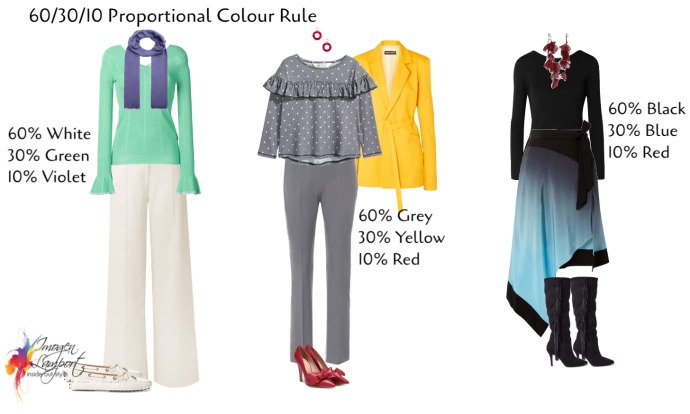
Using The 60 30 10 Rule To Create Fabulous Colour Combinations In Your Outfits

Color Your Home Some Guidelines To Getting It Right Walker Furniture Mattress Las Vegas
Q Tbn And9gcqartqwxnaz Di Thbvkmyaru92lr42hgehffvpziw Vyewsiyj Usqp Cau

01 Colour Commandment The 60 30 10 Rule Taubmans Taubmanscolour Colourcommandments Dont Call Me Color Nest Design
/sixtyrule_LR_getty-56a192703df78cf7726c19e2.jpg)
How To Use The 60 30 10 Color Rule In Your Home

60 30 10 Rule Hirshfield S
The percent color rule can help you achieve a pleasing blend of hues, especially in a kitchen design that includes sage green In a busy workspace that's all about food prep and family.

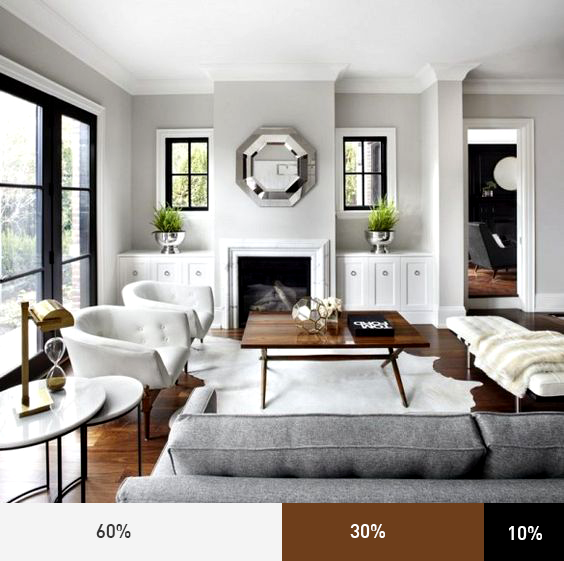
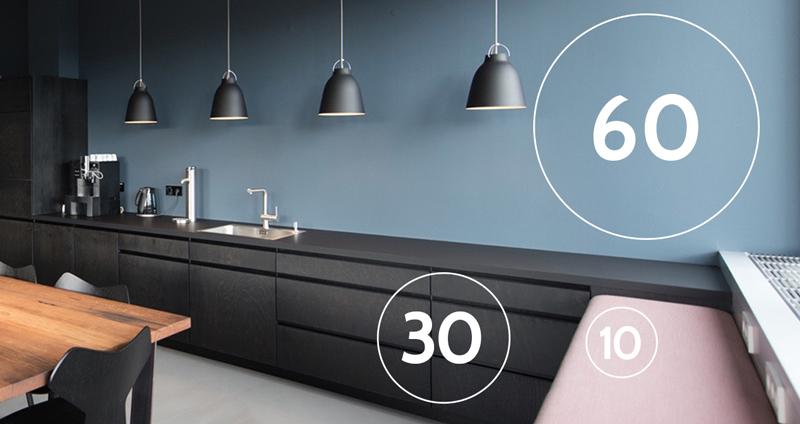
60 30 10 rule color. The Rule What exactly is this rule?. Using The Rule for Color Choices We are using black, white, and grey examples in this article to make the choices obvious Once the rule makes sense to you, you can use a tool like this Adobe Color Wheel to see what other combinations you like In the featured image, 60% of the surfaces are white, 30% are black, and about 10% are silver. The is a simple rule that will help you create wellbalanced and visually interesting color palettes The idea is that one color (usually, a neutral color) makes up 60 percent of the palette Another complementary color makes up 30 percent of the palette A third color, which is used as an accent, takes the remaining 10 percent.
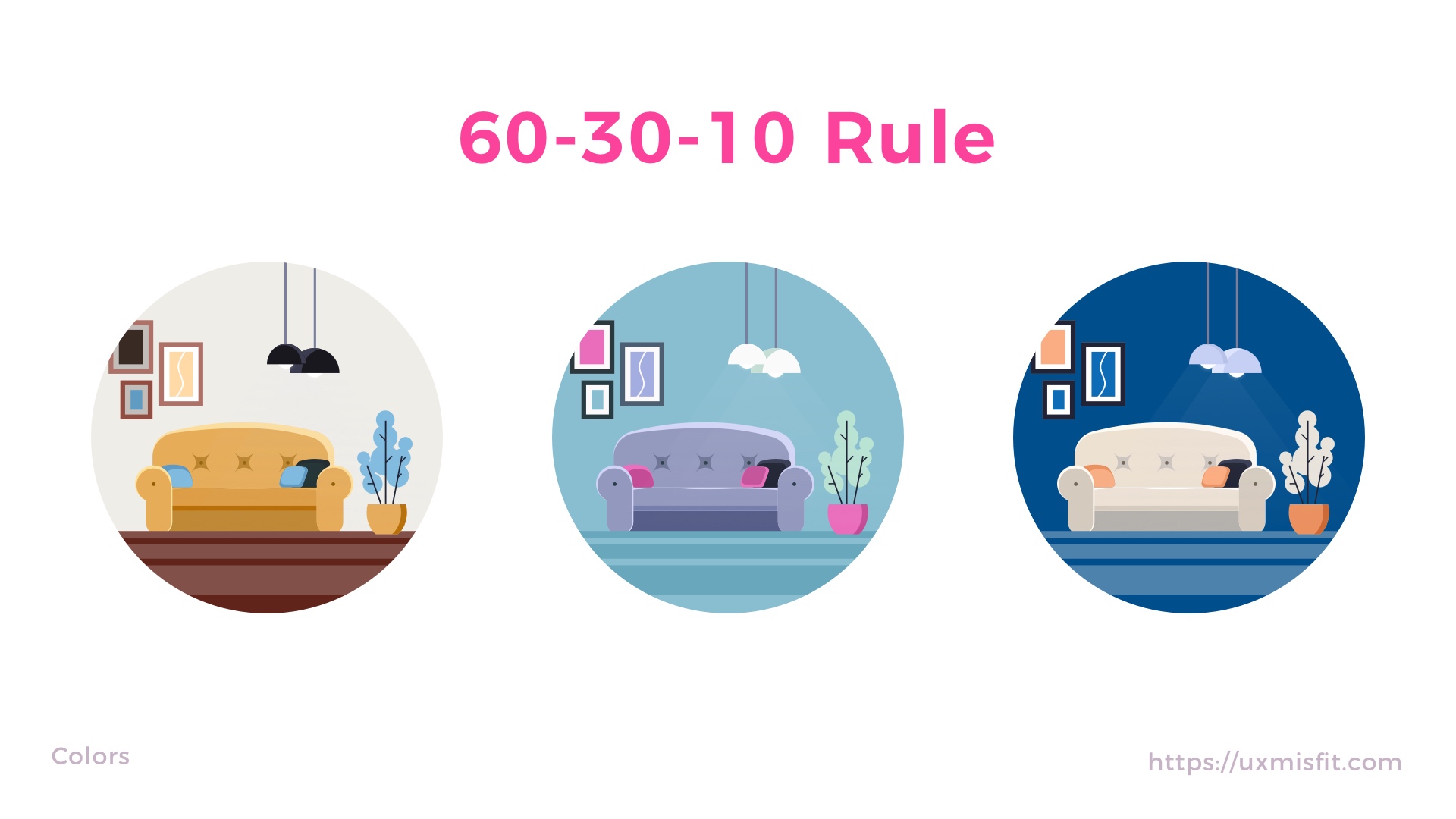
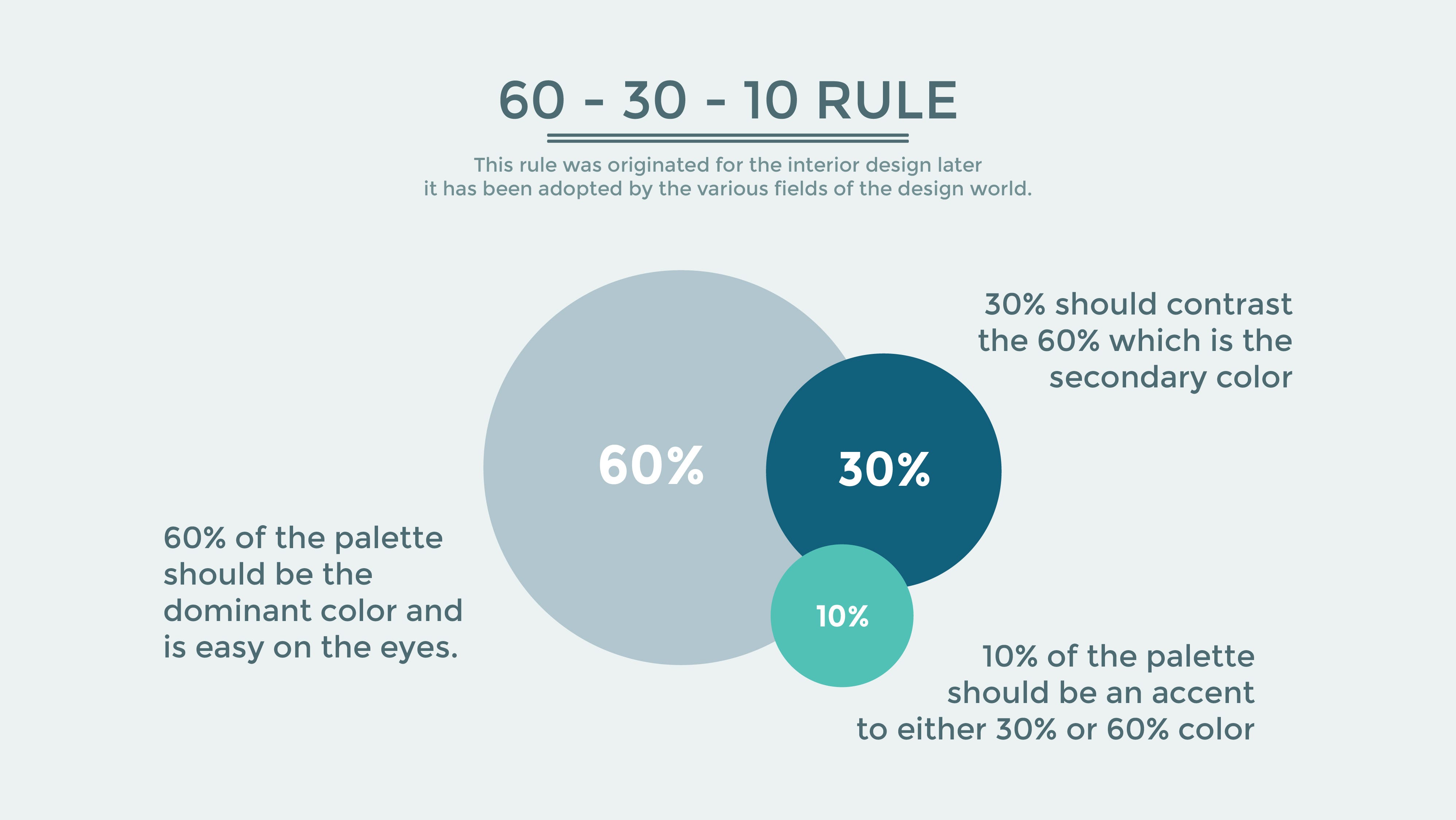
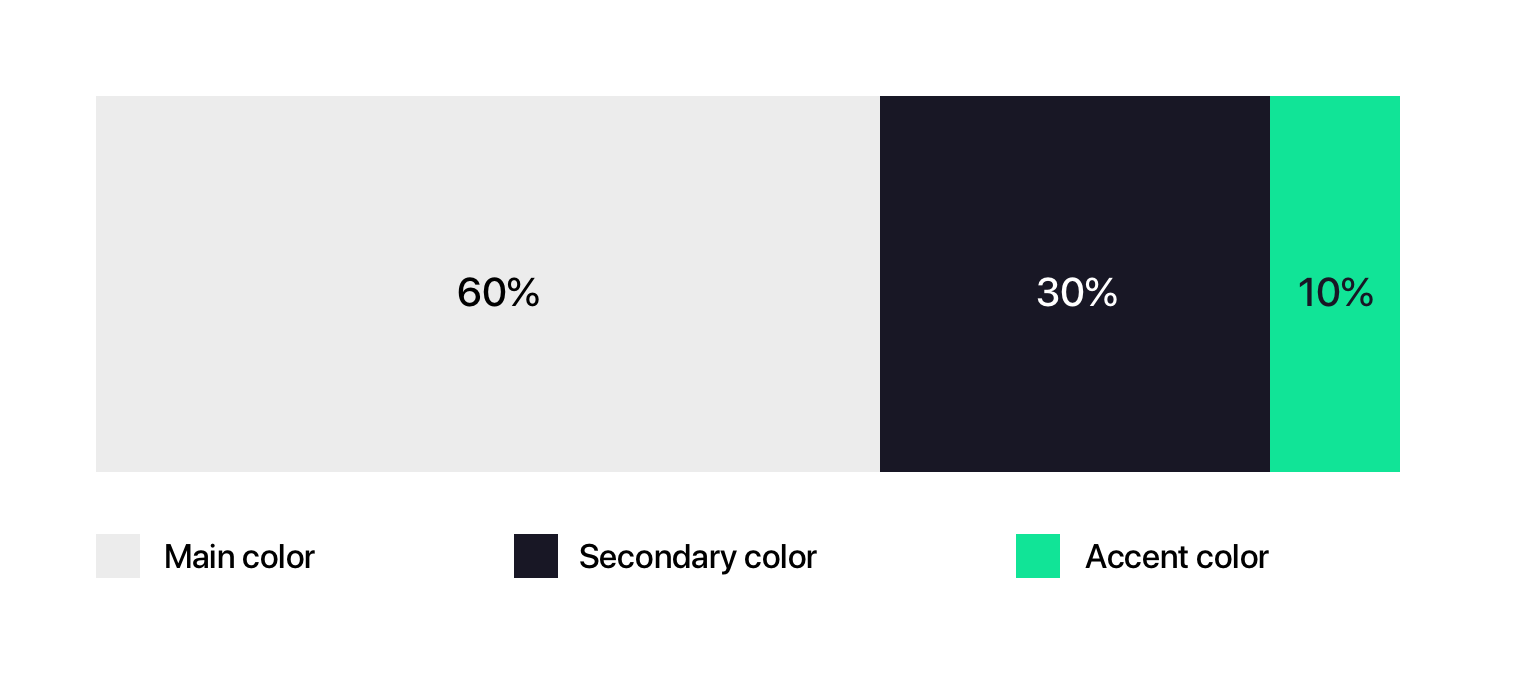
The rule breaks down the percentages of each color that should be applied to the room in order to create a unified look Pick three colors—either complementary (colors that sit across from each other on the color wheel) or analogous (colors that sit next to each other on the color wheel)—and decide which would work as a dominant. Color inspiration Mother Nature is the best designer you can take inspiration from To find my palette, I usually browse and extract three main colors from a photo that match the rule I make sure to take the most vibrant color and use it as the accent color in my design. If you’ve selected three colors, a good way to balance them on a slide or throughout the presentation is the rule This means that the primary color takes up 60% of the space, the secondary takes up 30%, and the accent color accounts for the final 10% This rule is all about creating balance, and is a great place to start if you’re staring down a blank slide.
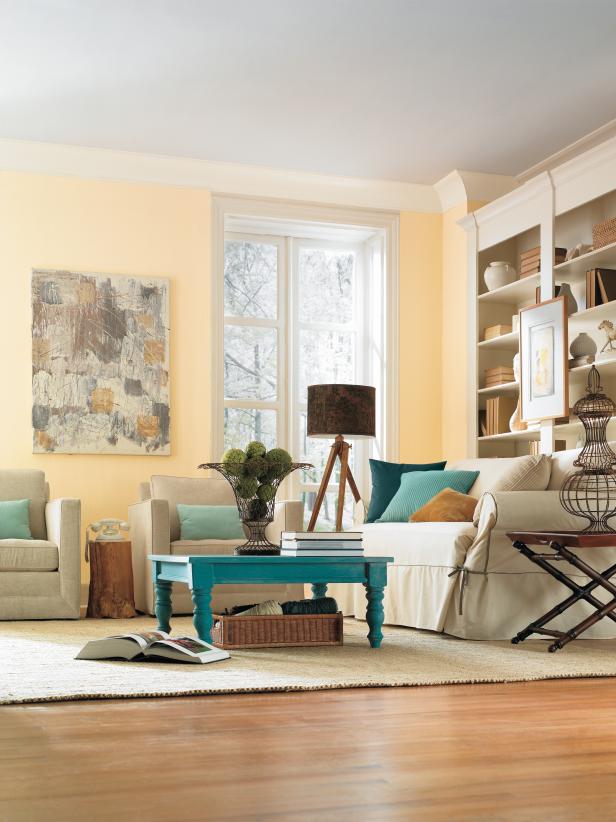
What does mean, exactly?. Not only is it a great rule to know, but it can really help you pull a room together with color The Color Rule The rule is meant to balance out the colors used in your space in a pleasing way, by assigning percentages to the colors that you use Here’s the rule 60% main color 30% secondary color 10% accent color = FABULOUS!. For example, say my color scheme would be dark brown (60%), white (30%), and turqois (10%).
The Rule Elements The rule when used in color combinations, has three different elements – Primary Color The rule states that objects shall look more beautiful when one color is the more prominent one and takes up 60% of the space This is called a primary color. Understanding The 60 30 10 Rule For Decoration The decoration rules are quite simple as you need to follow the 60 30 10 rules for your décor For this rule, you need to focus on the dominant color and use it in about 60% of the room and 30% of the room with a dependent color. Equal amounts of each color in your scheme will result in a spotty visual Even proportions of color surprisingly result in a more unbalanced look After choosing three shades, break them down into the rule for a cohesive look—60 percent dominant color, 30 percent secondary color and 10 percent accent color.
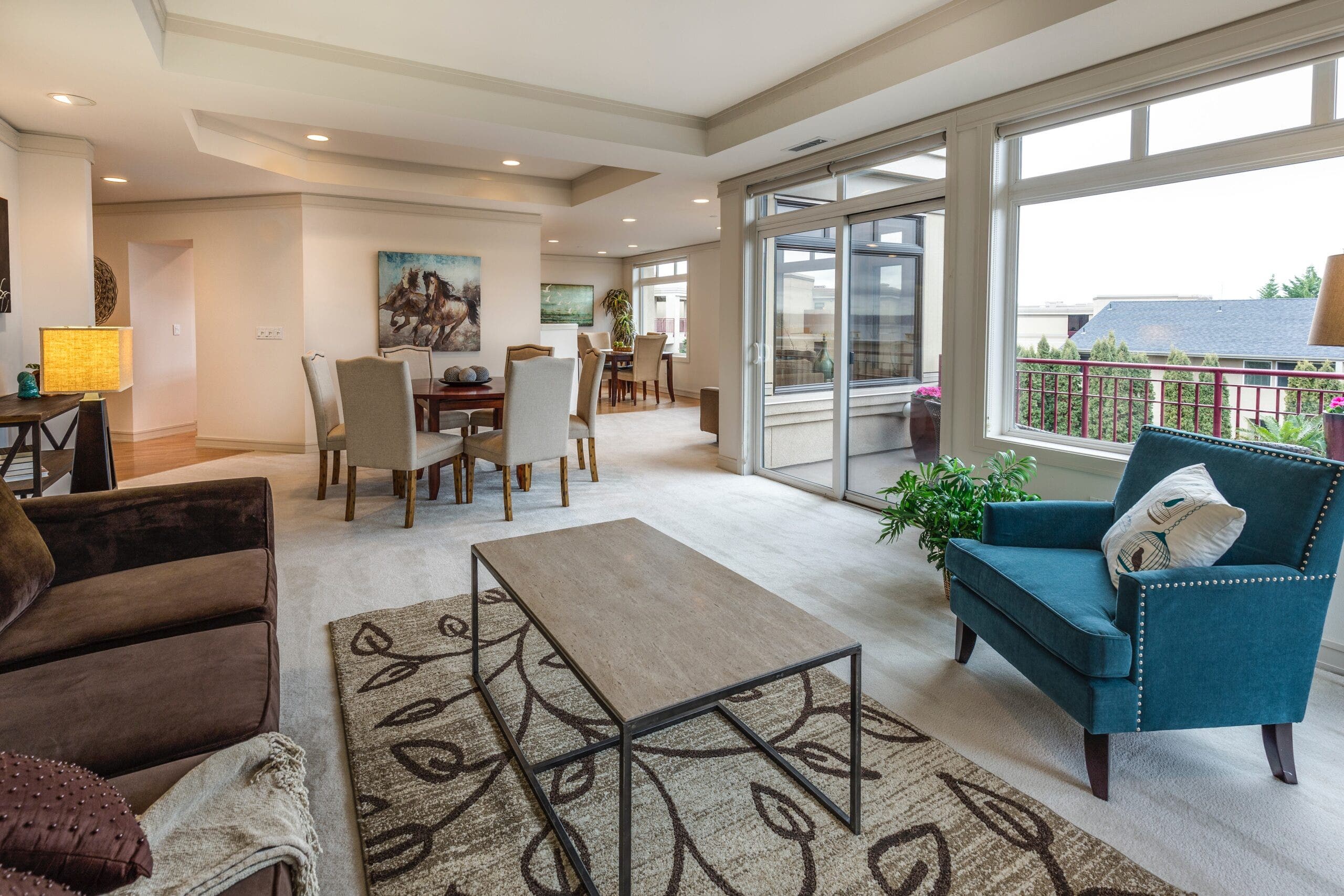
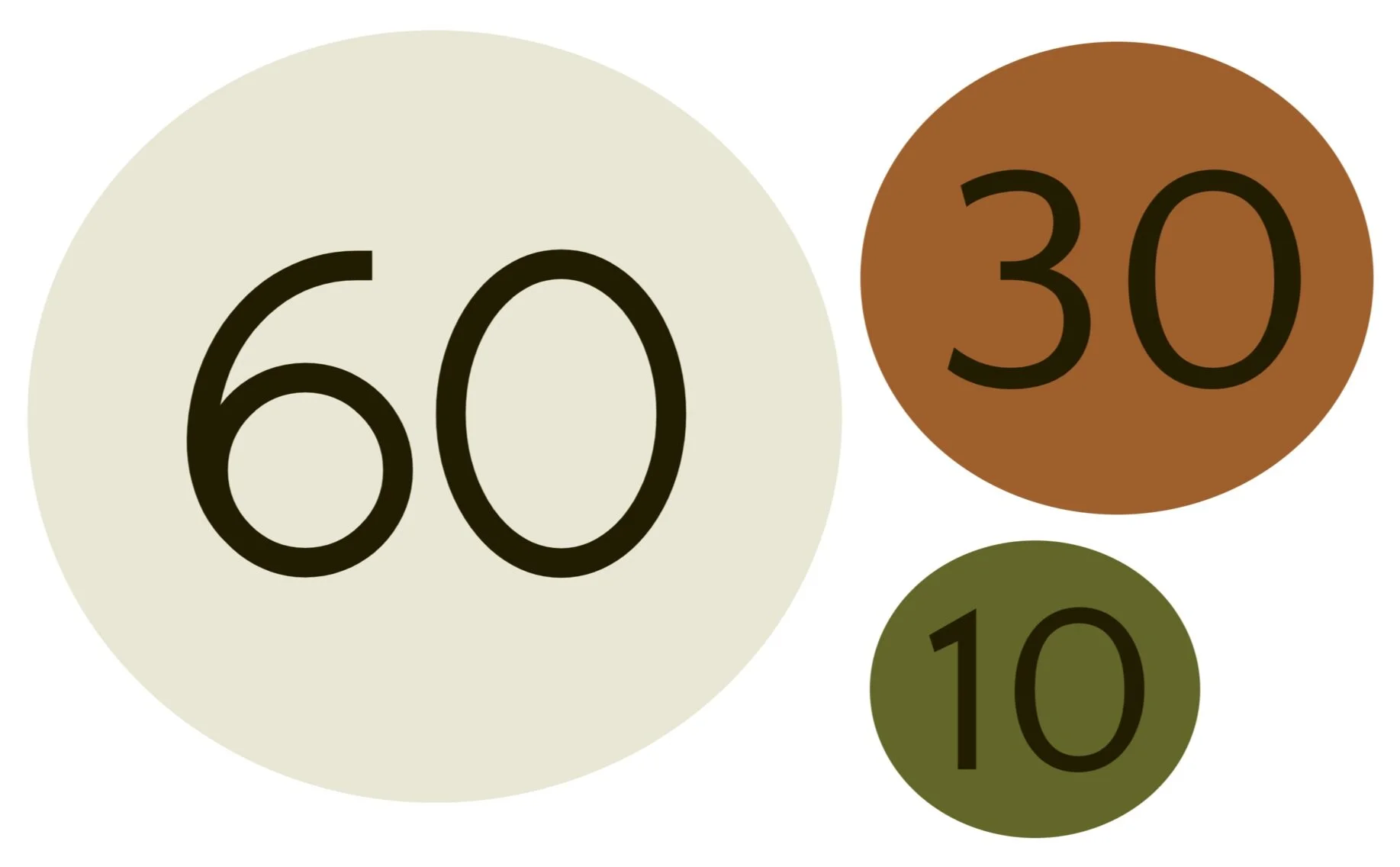
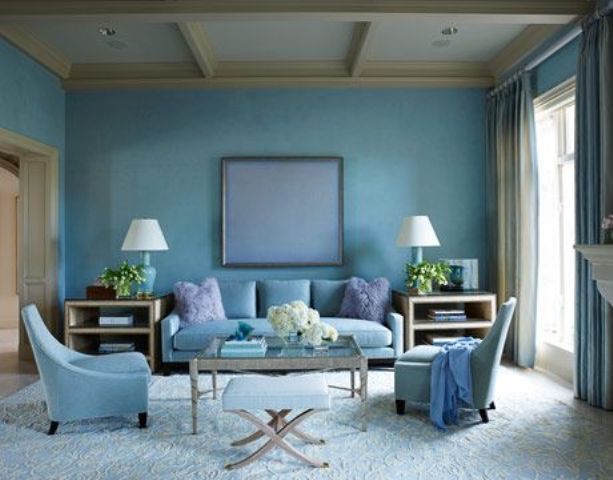
Rule is a principle of decorating that helps balance a color scheme in a space Most of the time, you’ll want to use this rule in your designs Choose a dominant color that will take up about 60% of your design, a secondary color for about 30%, and an accent color for the final 10%. 60–30–10 Rule This interior design rule is a timeless decorating technique that can help you put a color scheme together easily The 60% 30% 10% proportion is meant to give balance to the colors This formula works because it creates a sense of balance and allows the eye to move comfortably from one focal point to the next. An example color scheme using the rule includes 60% Gray main color ;.
Applying the Rule to a Monochromatic Color Scheme If your goal is to create a relaxing and soothing atmosphere, it is possible to use the rule with a single color Instead of applying different colors to this formula, you can use varying tones, shades, and tints of the same color. What is the Rule?. What is the Rule?.
What does mean, exactly?. Color Theory 101 Analogous, Complementary and the Rule Interior designers and color experts share tips for harnessing the transformative power of paint to create interiors that are balanced, sophisticated and livable Keep in mind Price and stock could change after publish date, and we may make money from these links. Is a timeless decorating rule that can help you put a color scheme together easily The 60 percent 30 percent 10 percent proportion is meant to give balance to the colors used in any space This concept is incredibly simple to use.
Rule There is a rule in design that we often follow called the Rule This means, in devising a three color palette you would use 60% of one color, 30% of another and 10% for the rest To apply of this simple rule in exterior architectural color, the body color would be 60%, the trim 30% and/or the front door/accent color would be 10%. Rule in Graphic Design A simple way to create your brand’s color scheme is rule According to this rule, you need to choose three different colors and use them in proportions of 60%, 30%, and 10% In this case, your 60% is the main color for your brand, for example, the color you use for advertisement backgrounds. There exist a color formula that will give your interior a harmonious look This is a way to combine three colors in the interior decor, and they won’t look excessive, they will be interesting and organic Let’s have a look at some examples you may try to fit the formula and get a stylish look 60% Is The Main Color.
60% of a room can be filled with a dominant colour, 30% with a secondary colour, and 10% with one or two accent colours. It's a triedandtrue formula from interior design experts 60 percent of the room should be a dominant color, 30 percent of the room should be a secondary color and 10 percent should be the accent color!. You hear so much about it from the internet and your friends who also just had their incredible homes decorated It’s incredibly simple, with only a little math involved The rule is a breakdown of how much of each color, texture, or pattern you need in your chosen room You need 60% of.
If you're skeptical, we'll give a more concrete kind of coloring advice follow the color rule!. It's a triedandtrue formula from interior design experts 60 percent of the room should be a dominant color, 30 percent of the room should be a secondary color and 10 percent should be the accent color!. I read about the rule when creating a color scheme I would like to adopt this rule but was wondering wether shades count as their own color or can be used in addition to the defined colors?!.
A design ‘rule of thumb’ to create a space that flows is to use the color rule This combination of colors creates rooms that are cohesive and visually interesting So how does the rule work?. Narrator When it comes to visual design in anyscenario, there's a basic rule that can be appliedto create a good looking end resultIt's called the RuleIf you think about furniture in a room and the colorsthat are used to decorate a single roomYou can use the Rule, where one coloris used 60% of the timeAnother color, secondary color,would be used 30% of the timeAnd then an accent used 10% of the time. Using The Rule for Color Choices We are using black, white, and grey examples in this article to make the choices obvious Once the rule makes sense to you, you can use a tool like this Adobe Color Wheel to see what other combinations you like In the featured image, 60% of the surfaces are white, 30% are black, and about 10% are silver.
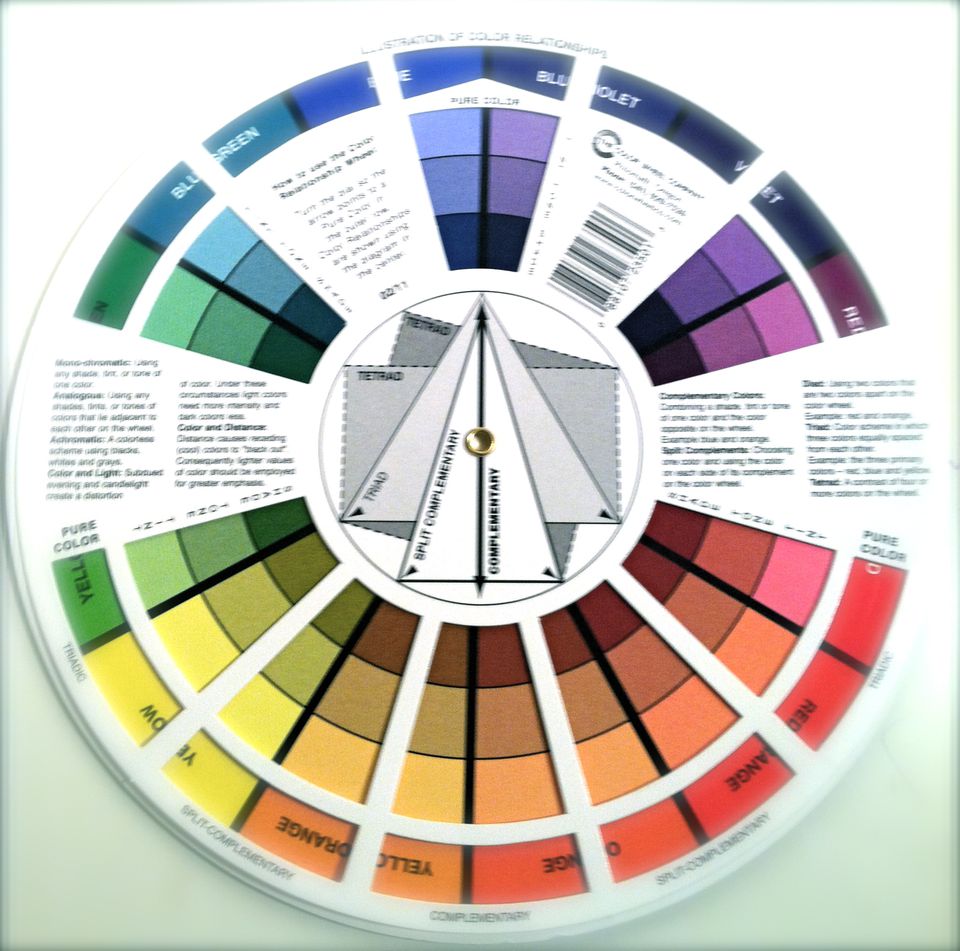
10% Pink accent color Color Wheel The color wheel is a great guide to help match colors for interior design This color circle presents the primary, secondary and tertiary (colors between primary and secondary colors) colors. It's a classic decor rule that helps create a color palette for a space It states that 60% of the room should be a dominant color, 30% should be the secondary color or texture and the last 10% should be an accent How to Use the Rule?. Understanding The 60 30 10 Rule For Decoration The decoration rules are quite simple as you need to follow the 60 30 10 rules for your décor For this rule, you need to focus on the dominant color and use it in about 60% of the room and 30% of the room with a dependent color.
Now that you understand the rule, here are some palettes that work exceptionally well Dark blue as the dominant color, brown as the secondary shade and white or cream as the accent Green as the dominant color, blue as the secondary shade and yellow as the accent. A secondary color to compromise about 30% of the visual field;. The Old Rule If you’ve selected three colors, a good way to balance them on a slide or throughout the presentation is the rule This means that the primary color takes up 60% of the space, the secondary takes up 30%, and the accent color accounts for the final 10% This rule is all about creating balance,.
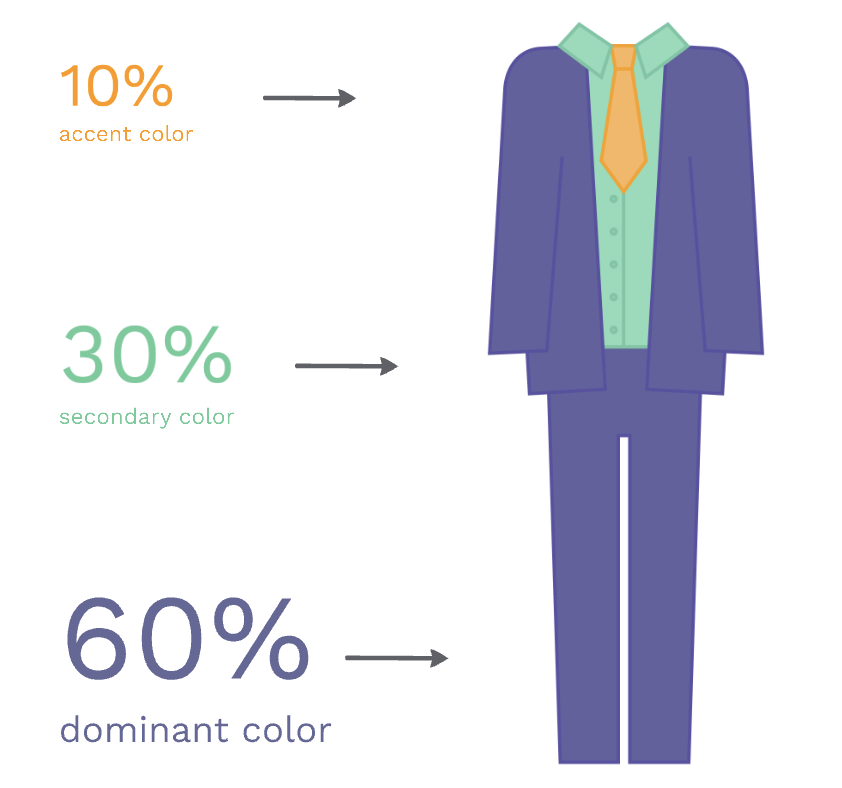
Let’s take a look at the Golden Ratio and the 60/30/10 rule at work in the five main relationships between objects in your rooms 1 Color or Pattern to Color or Pattern Putting the Golden Ratio to work means that, when you design your room, you’re looking to have one thing be 40 percent of the whole it exists within. The Rule What exactly is this rule?. And an accent color that provides a 10% color pop To visualize this in use, think of a man in a business suit 60% is the slacks and jacket, 30% is the shirt, and 10% is the tie.
You hear so much about it from the internet and your friends who also just had their incredible homes decorated It’s incredibly simple, with only a little math involved The rule is a breakdown of how much of each color, texture, or pattern you need in your chosen room You need 60% of. If you're skeptical, we'll give a more concrete kind of coloring advice follow the color rule!. 30% Light blue secondary color ;.
The rule breaks down the percentages of each color that should be applied to the room in order to create a unified look Pick three colors—either complementary (colors that sit across from each other on the color wheel) or analogous (colors that sit next to each other on the color wheel)—and decide which would work as a dominant. The basics of the Rule is to choose a primary color that dominates 60% of the area;. Applying the Rule to a Monochromatic Color Scheme If your goal is to create a relaxing and soothing atmosphere, it is possible to use the rule with a single color Instead of applying different colors to this formula, you can use varying tones, shades, and tints of the same color.
The rule is based on the rule of three, a simple premise that’s used in a variety of creative pursuits — everything from telling jokes to arranging flowersIn design, it refers to the selection of three color families to serve as the palette for a room. Neutral colors like whites, creams, and tans will counteract the more intense colors In the picture below, you can see the rule in action White takes up the majority of the room (60%), giving it a light and airy feel Tan comes next (30%), but it is less represented than white. The color theory is one of the basic rules to having a harmonious end result Color is one opportunity where it’s OK to play favorites After deciding which three hues will best complement the room, decide which color will be the dominant Equal amounts of each color in your scheme will result in a spotty visual.
They have an overall color scheme, and make up the bulk of your kitchen space With this in mind, choose colors that highlight and accent the counter tops, back splash tile and cabinets The rule is helpful 1. 2 Use the rule The is a simple rule that will help you create wellbalanced and visually interesting color palettes The idea is that one color (usually, a neutral color) makes up 60 percent of the palette Another complementary color makes up 30 percent of the palette. In a nutshell, the rule is a threecolor palette for a room that achieves a balanced look and feel It is not a precise formula that you must stick to, but simply an easytoapproach decorating guideline that designers often use.
The rule – and how to use it to balance a color palette Homes & Gardens Ruth Doherty The rule is a little niche – but then we at H&G are, by our own admission and quite contentedly, design nerds. Applying these colors following the rule will provide balance, depth and create a cohesive composition within your room 60 PERCENT The first 60% provides the base and backdrop for the entire room This color should be a neutral like grey, white or beige You want to choose a color that will enhance the other colors you choose for 30%.

Color Your Room With Confidence The 60 30 10 Rule Learn Interior Design Living Room Color Living Room Color Schemes
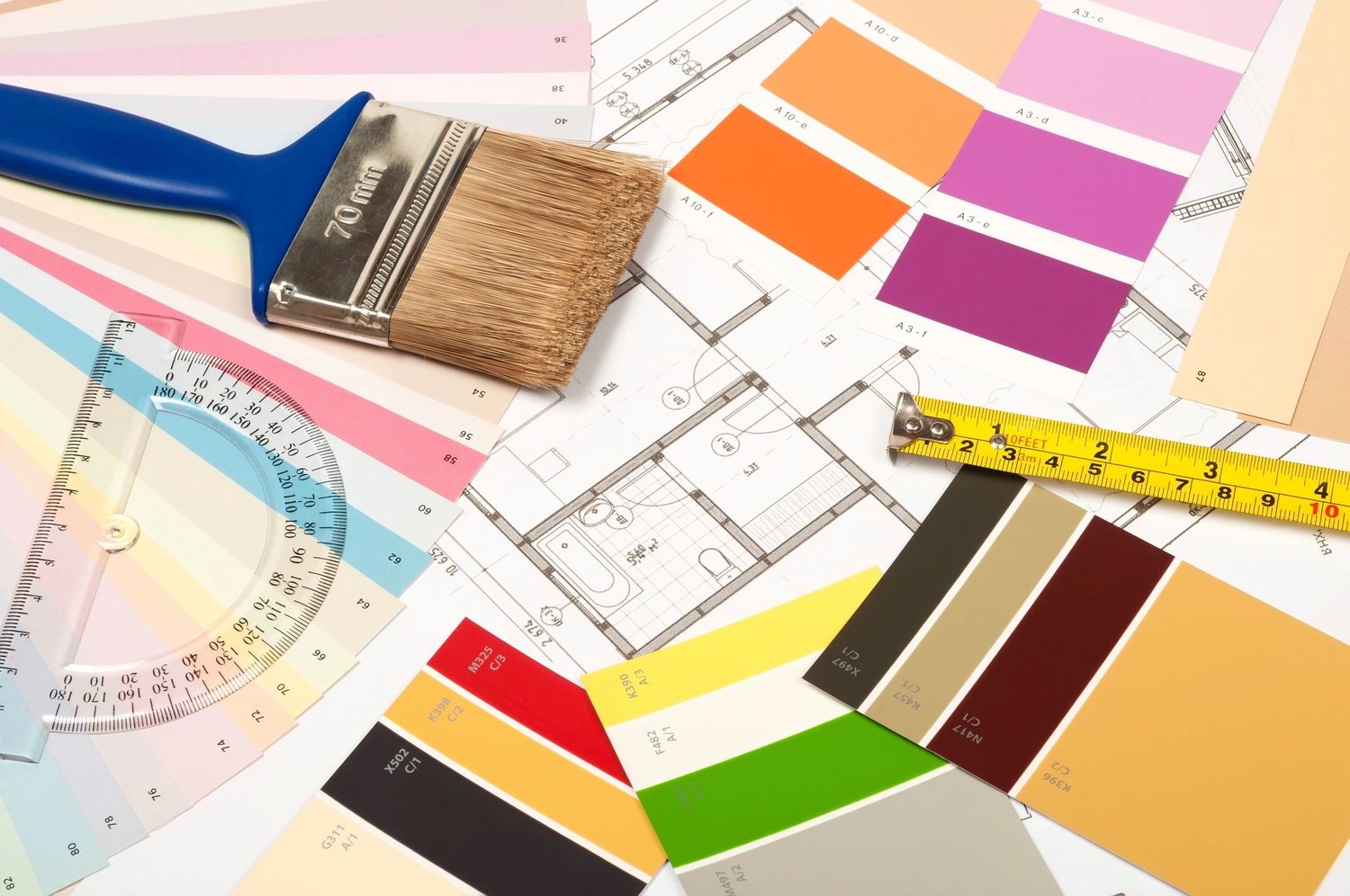
A Simple Design Rule That Just Might Blow Your Mind Sara Lynn Brennan Interiors
3
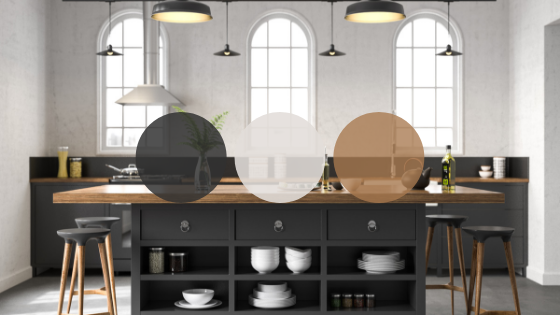
Interior Design Color Theory Everything You Need To Know About The 60 30 10 Rule First Heritage Mortgage

What Is The 60 30 10 Color Rule You Have To Try This In Your Home
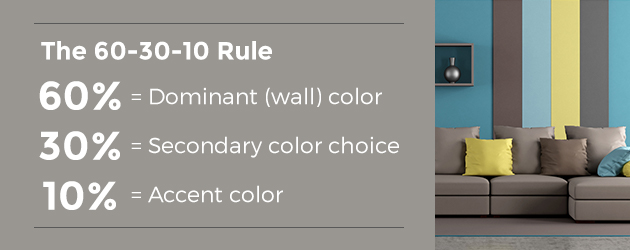
Guide To Choosing An Interior Paint Color Shoreline Painting

Passonno Paints Decorating Made Simple Interior Design Classes Design Decor

How To Use The 60 30 10 Rule To Balance Your Brand S Color Palette Tsaousakis Graphics

Ui Color Game How To Play With Colors For A Balanced By Daiveekram J Medium
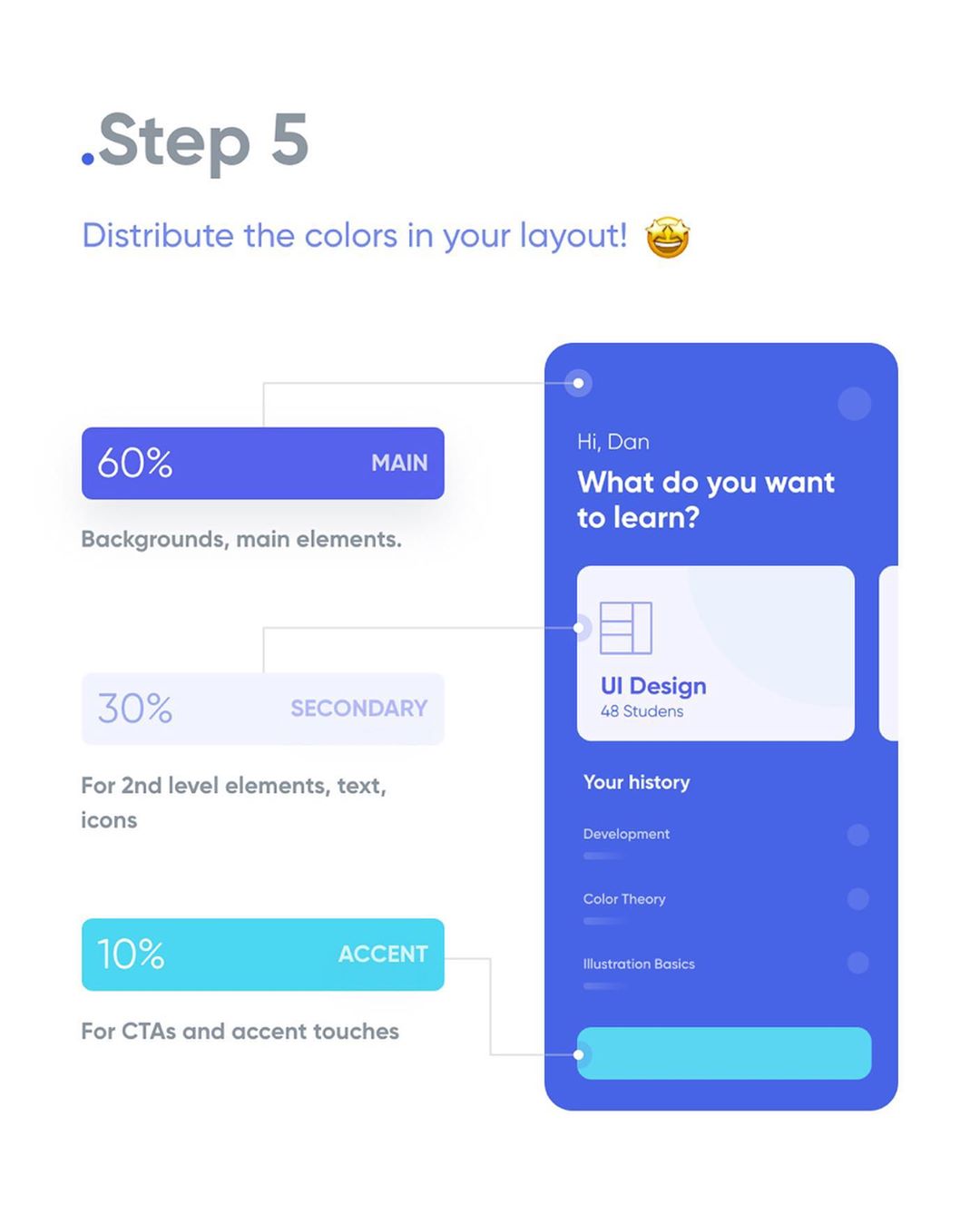
How To Create Color Schemes For Your Ui Design Using The 60 30 10 Technique
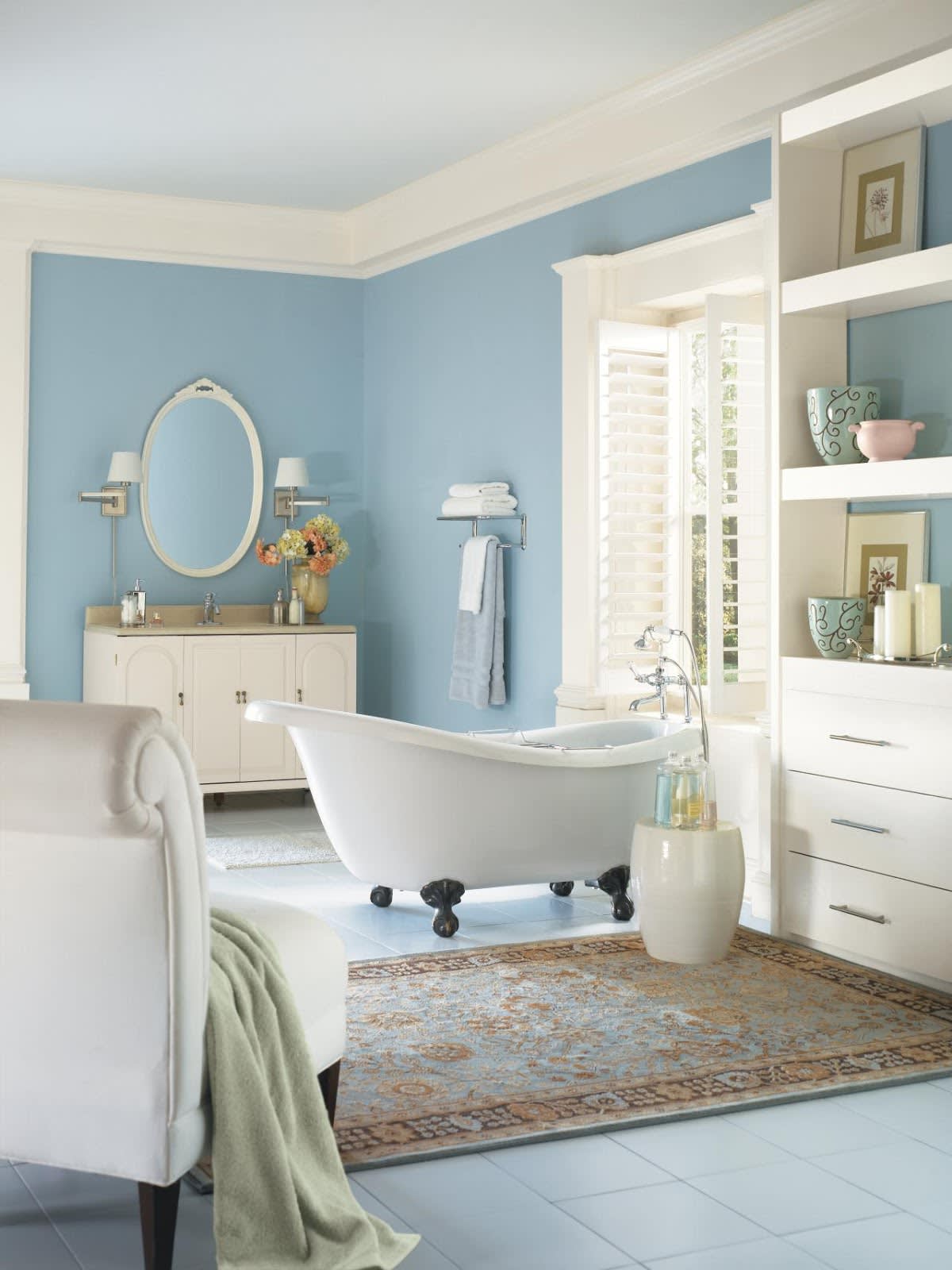
The Key To Color Confidence The 60 30 10 Rule Apartment Therapy
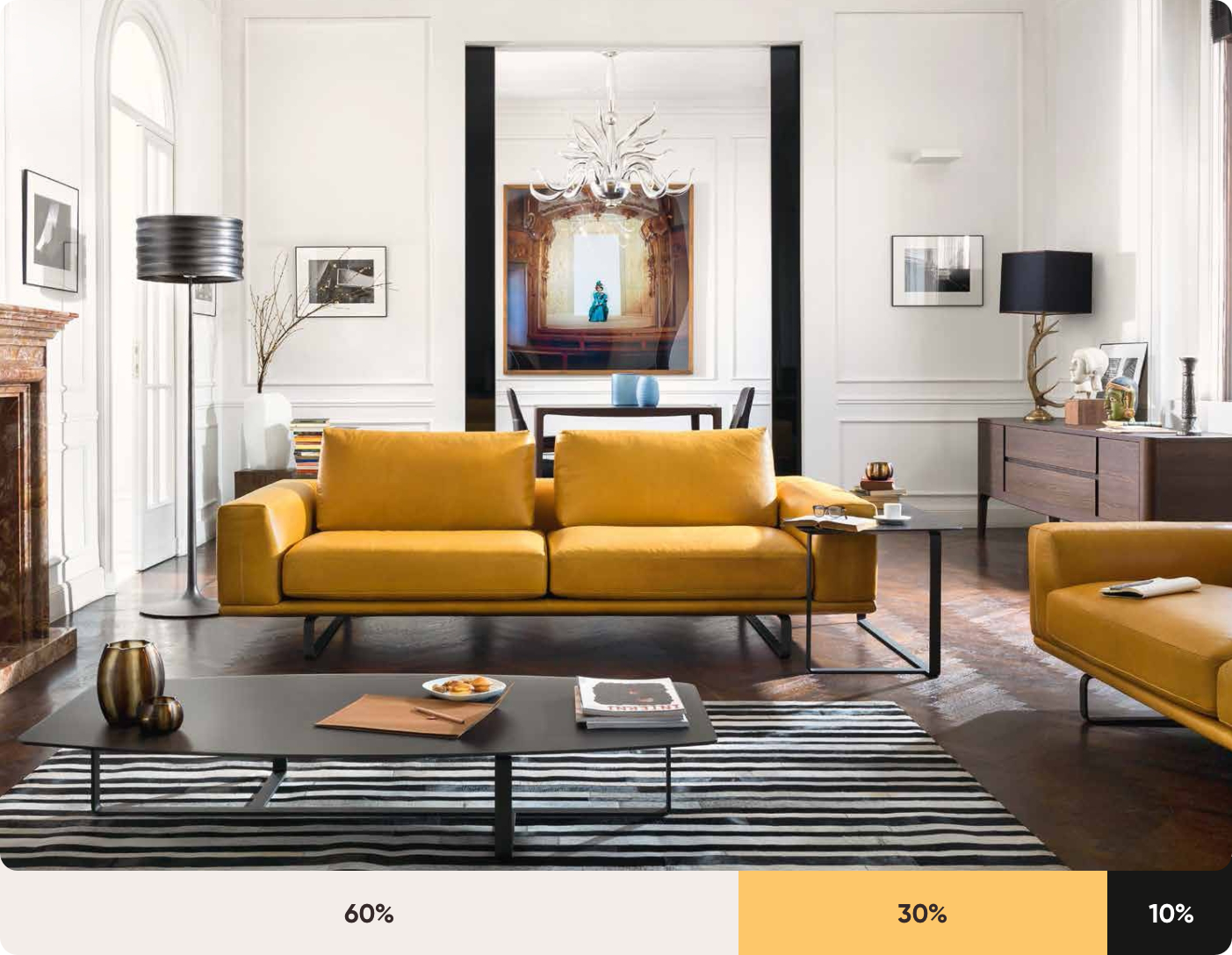
How To Use Colors In Ui Design Practical Tips And Tools By Wojciech Zielinski Prototypr

These Are A Few Of My Favorite Things 47 60 30 10 Color Design Rule Design Rules Design Theory Color
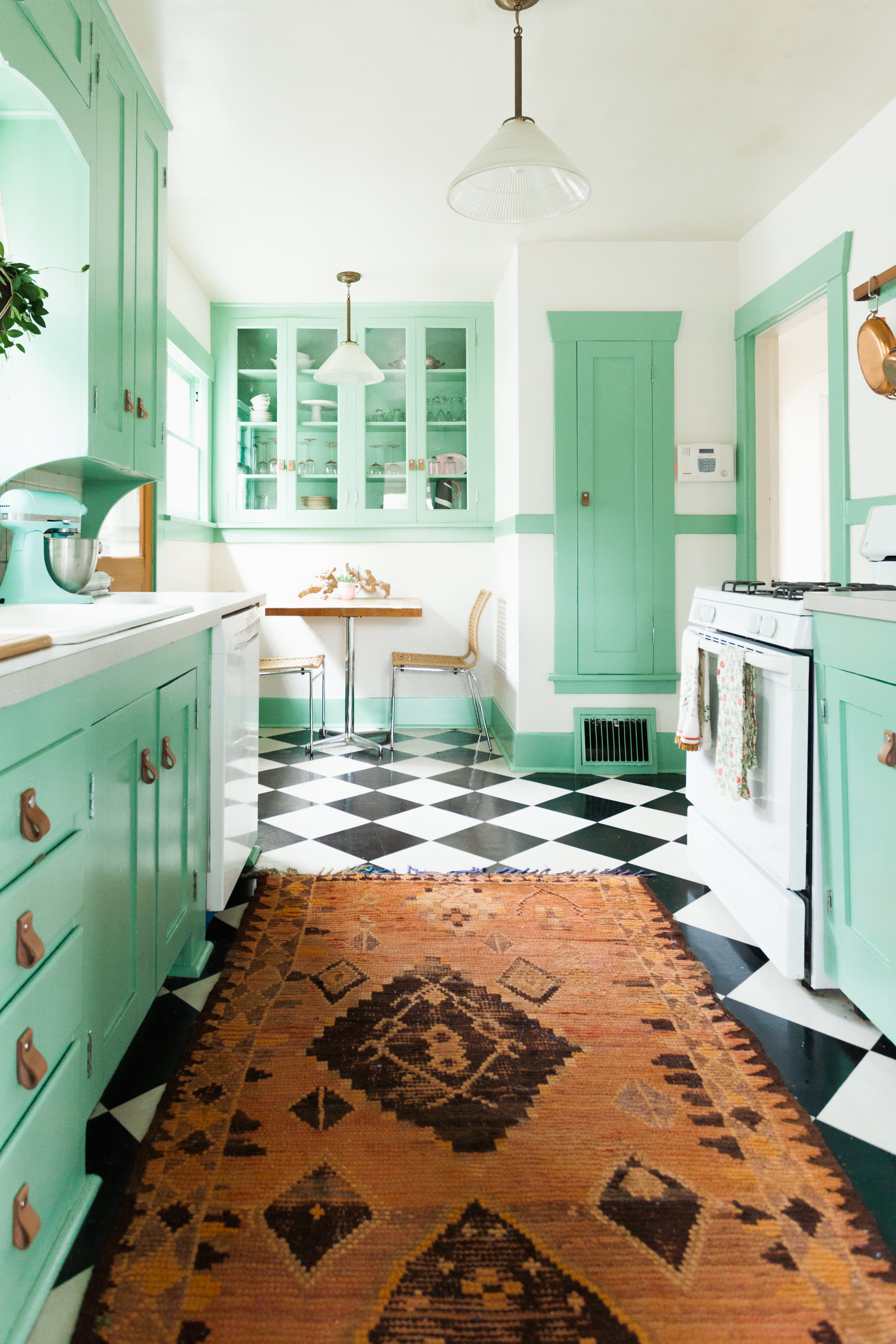
The Key To Color Confidence The 60 30 10 Rule Apartment Therapy
What Is The 60 30 10 Color Rule You Have To Try This In Your Home
60 30 10 Colour Rule You Could Do Worse Than Sketchplanations A Weekly Explanation In A Sketch
Designer Tips Volume 2 Color Mistakes 60 30 10 Rule

Powerpoint Color Palette The Rule 60 30 10 Smiletemplates Com

The 60 30 10 Color Rule In Interior Decotation Bambubuild
Ui Design In Practice Colors Uxmisfit Com

Choosing Colors For Web Design A Practical Ui Color Application Guide Dribbble Design Blog
11 Effortless Tricks For Picking The Perfect Color Palette Sina Architectural Design

Case Study 60 30 10 Rule Si Decor

Design The Interior Of A Home Westport Monroe New Canaan Ct Regal Line Painting
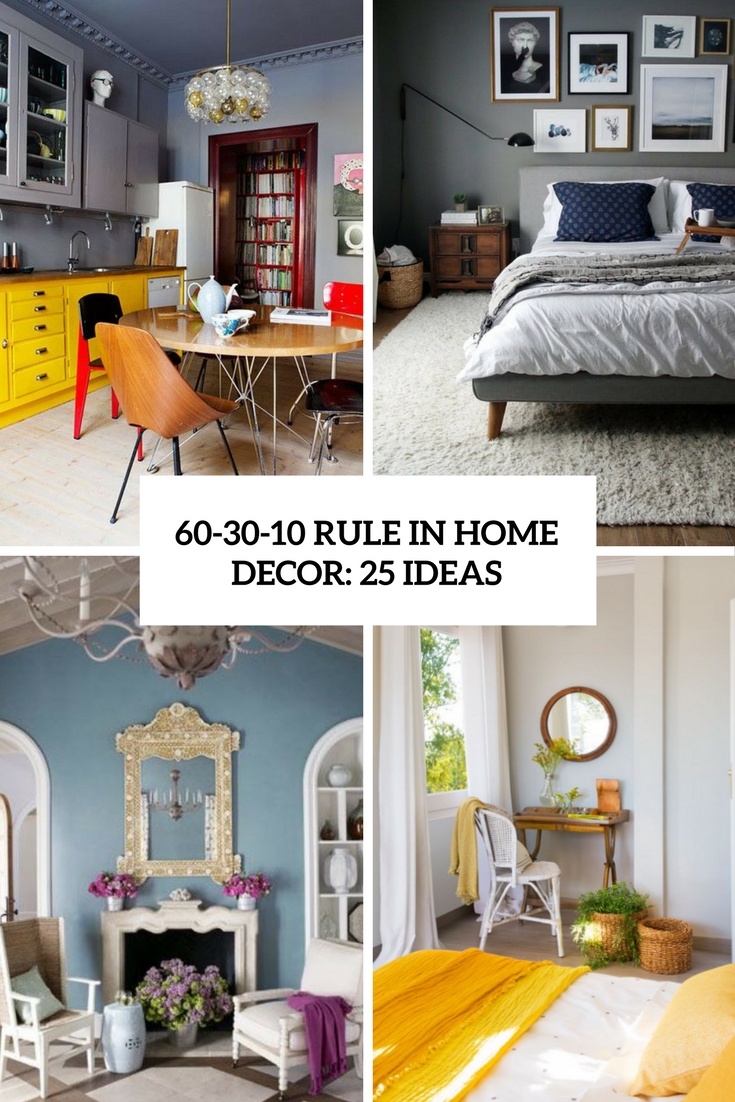
60 30 10 Rule In Home Decor 25 Ideas Digsdigs
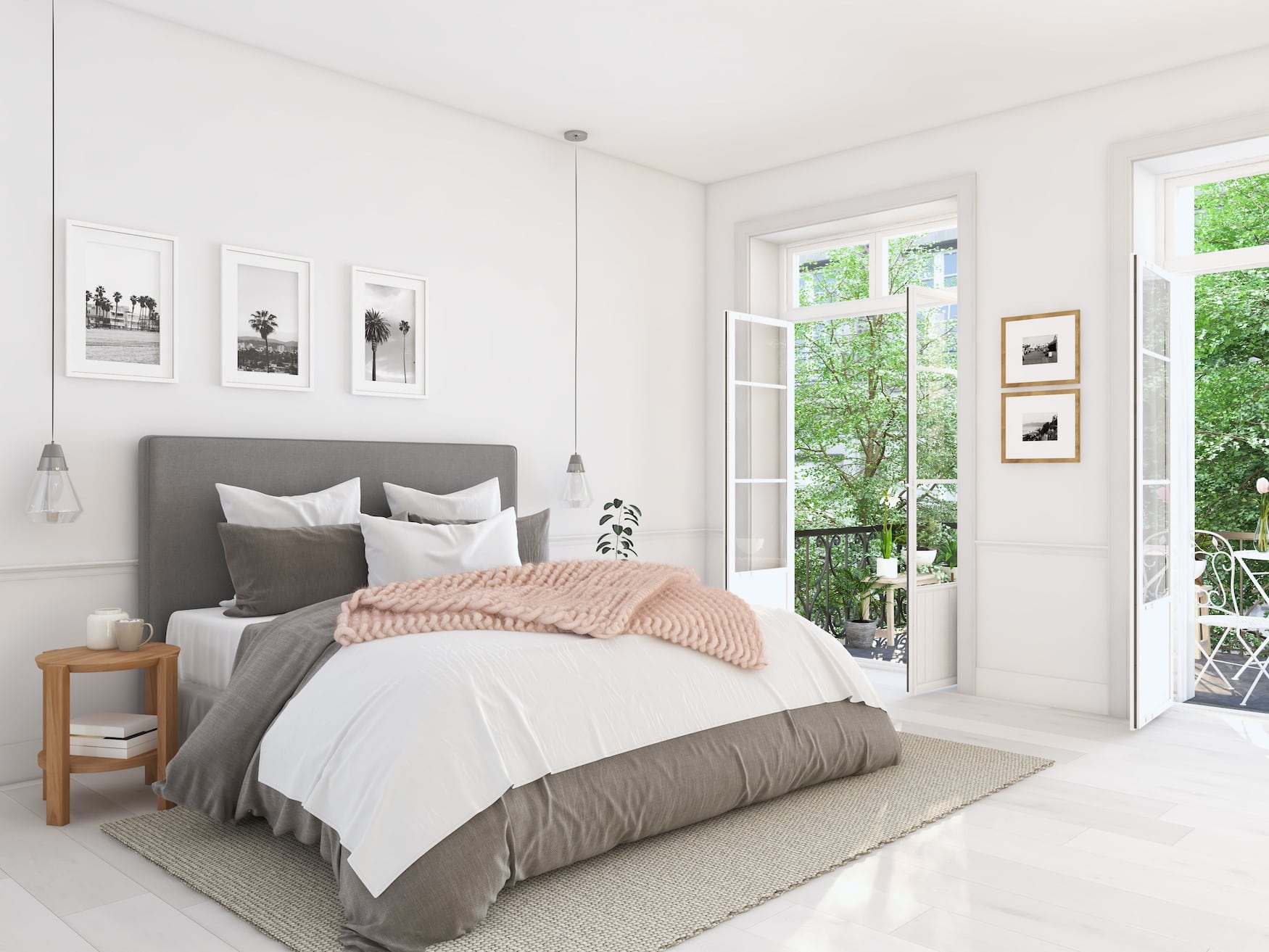
The 60 30 10 Color Rule Welsh Design Studio

Color Psychology And 60 30 10 Rule In Graphic Design
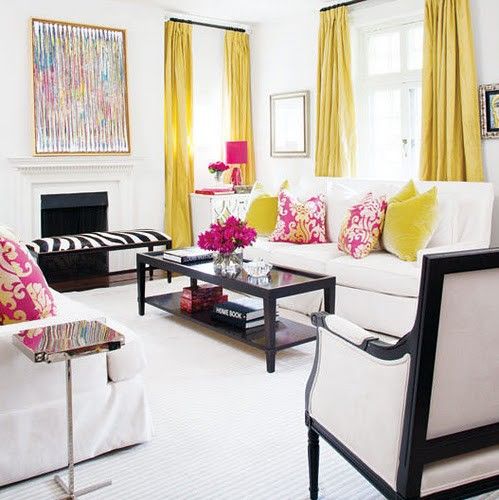
60 30 10 Rule In Home Decor 25 Ideas Digsdigs
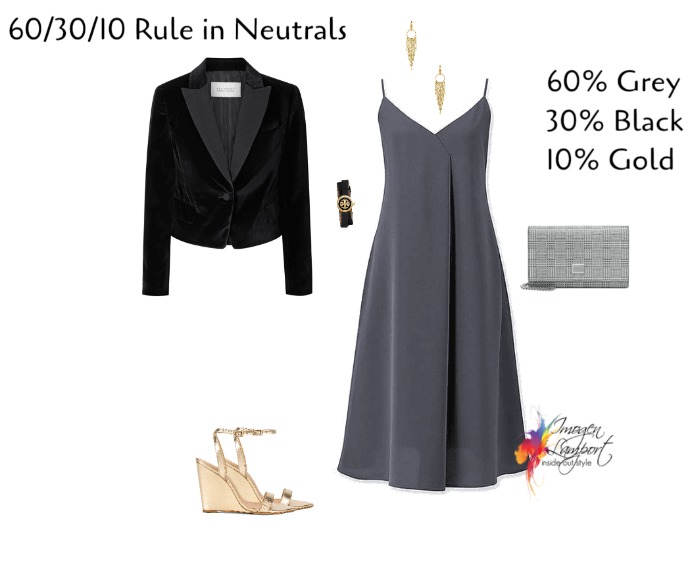
Using The 60 30 10 Rule To Create Fabulous Colour Combinations In Your Outfits

Balancing Your Colour Scheme With The 60 30 10 Rule Smartstyle Interiors

The Key To Color Confidence The 60 30 10 Rule Apartment Therapy

How To Balance Your Color Palette The 60 30 10 Rule Youtube

The 60 30 10 Color Rule Welsh Design Studio
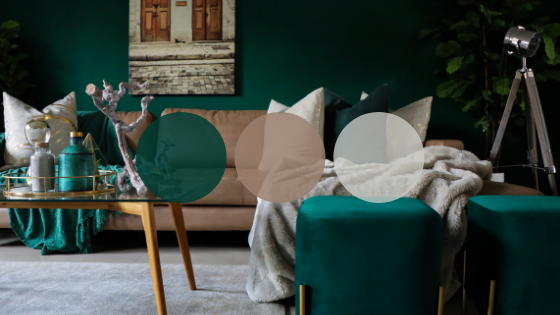
Interior Design Color Theory Everything You Need To Know About The 60 30 10 Rule First Heritage Mortgage
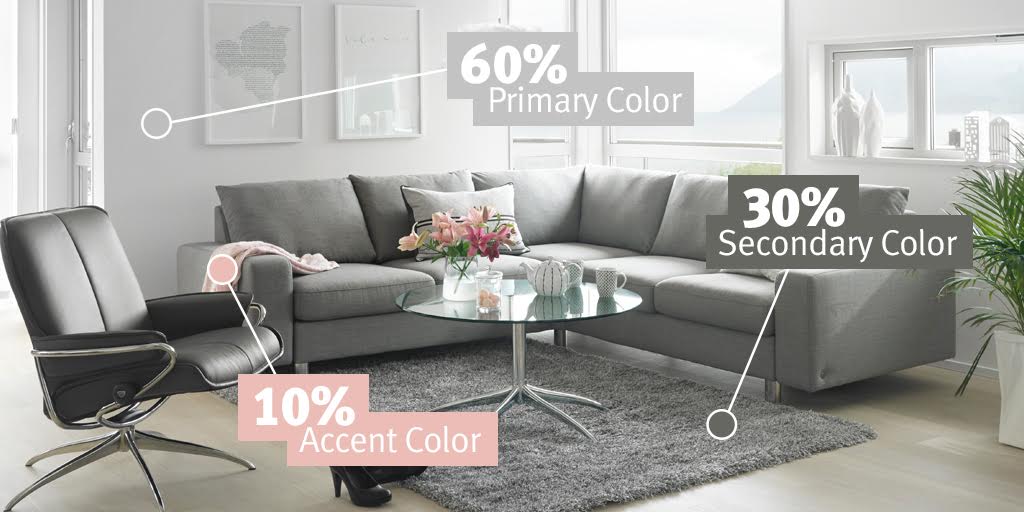
Ekornes Stressless When Decorating Your Home It S Important To Remember The 60 30 10 Rule Nationaldecoratingmonth

60 30 10 Rule In Interior Design Decor Usage Elements Natty Decor
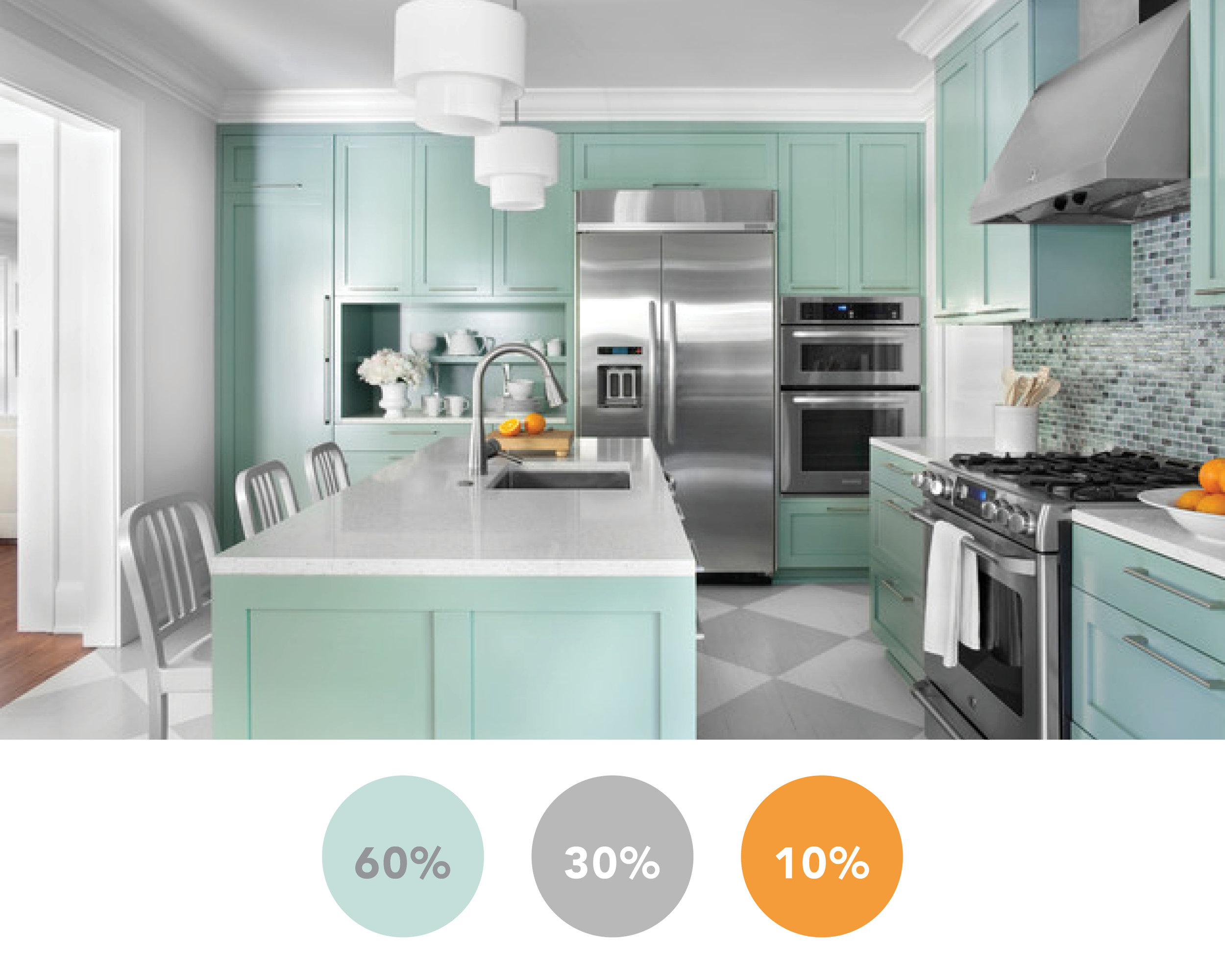
What To Know About The 60 30 10 Colour Rule Pilon Real Estate Group

How To Choose Colors The 60 30 10 Color Hack Youtube
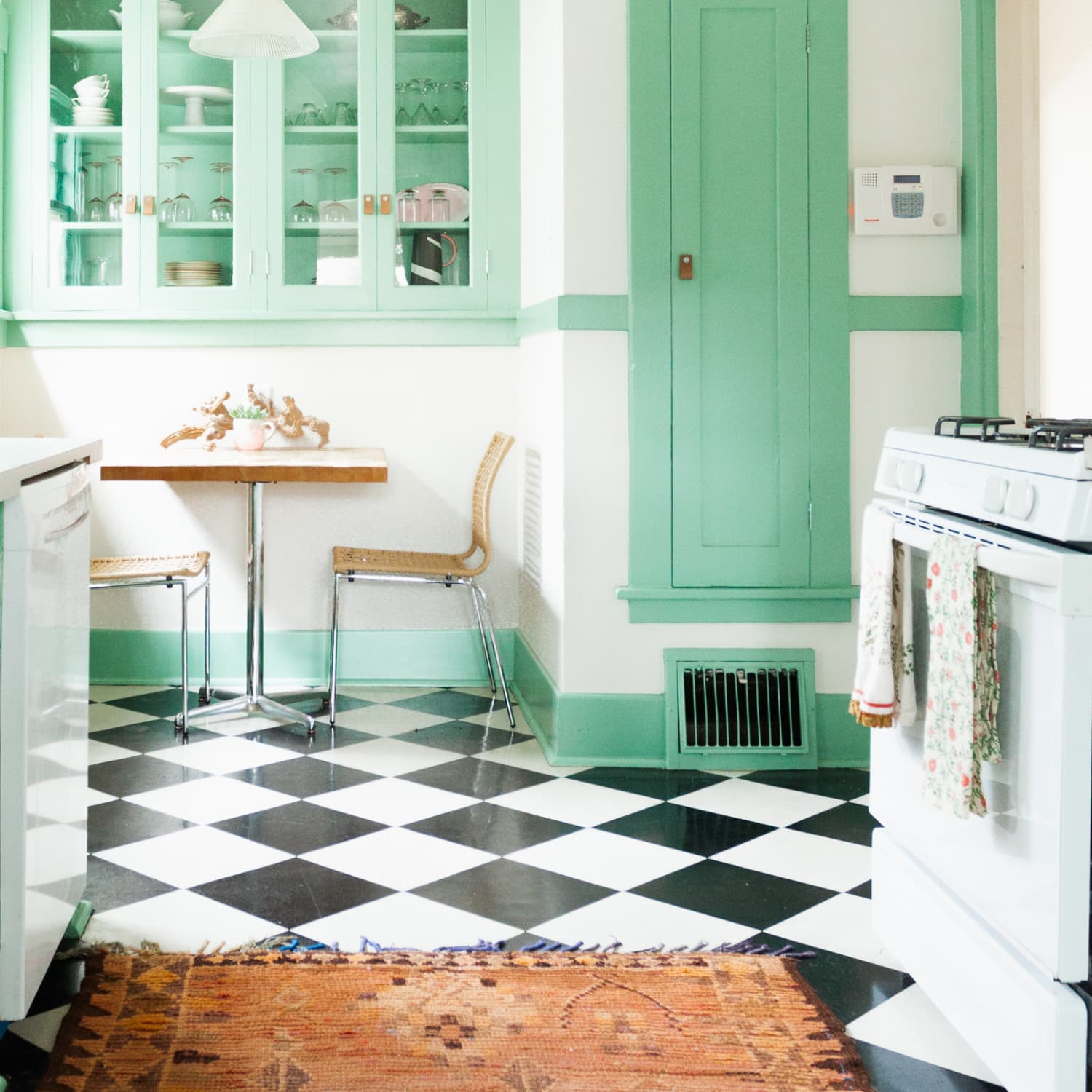
The Key To Color Confidence The 60 30 10 Rule Apartment Therapy

Color Your Room With Confidence The 60 30 10 Rule The Fairmount Flat

Using The 60 30 10 Rule Can Make Bumper To Bumper Services Facebook

Design The Interior Of A Home Westport Monroe New Canaan Ct Regal Line Painting
A Simple Design Rule That Just Might Blow Your Mind Sara Lynn Brennan Interiors
Color Theory 101 Analogous Complementary And The 60 30 10 Rule Hgtv

Design Tip 60 Of The Room Is Your Dominant Color Walls 30 Is Your Secondary Color Rugs And Furniture Decorating Rules Interior Design Guide Design Rules

The 60 30 10 Color Rule In Home Design Featured Finehomesandliving Com
How To Pick The Perfect Color Palette Lilywork Artisan Tile

Tips On Using Colors In Ui Design Ui Place
/yellow-bedroom-58a6b9c05f9b58a3c9d90ae1.jpg)
The 60 30 10 Color Rule

Design Truffle

What Is The 60 30 10 Color Rule You Have To Try This In Your Home
A Guide To Choosing Colors For Your Brand By Sachpreet Kaur Medium
Q Tbn And9gcqc6jqa1wgoswqzidnoovuqr7optr4vtqxwfayx2knktw R4cz1 Usqp Cau
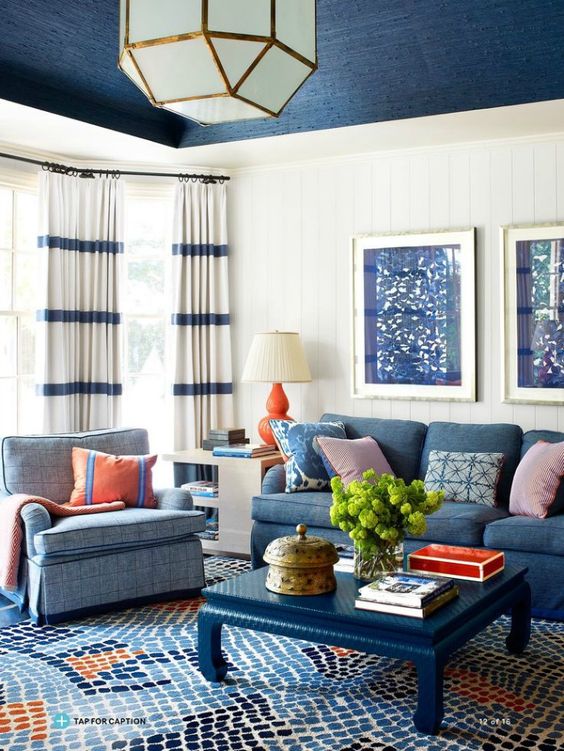
60 30 10 Rule In Home Decor 25 Ideas Digsdigs
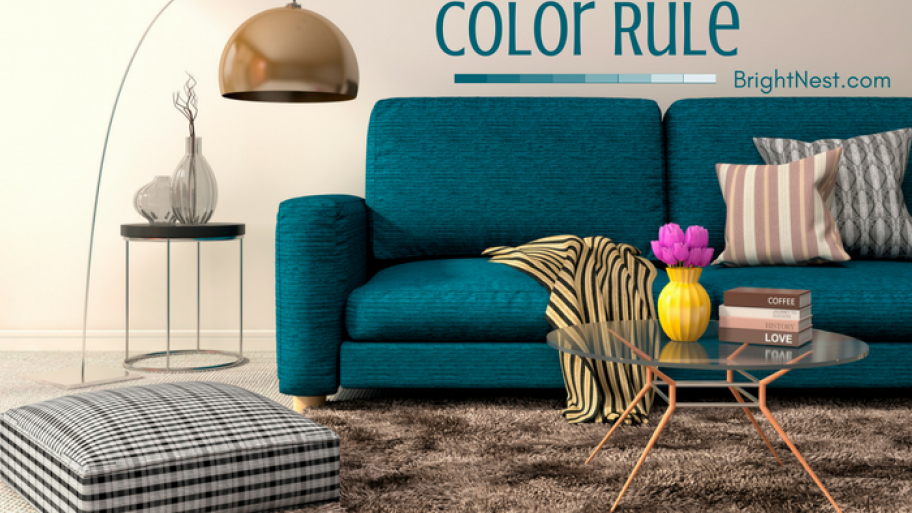
Quick Design Tip 60 30 10 Color Rule Angie S List

Color Your Room With Confidence The 60 30 10 Rule The Fairmount Flat
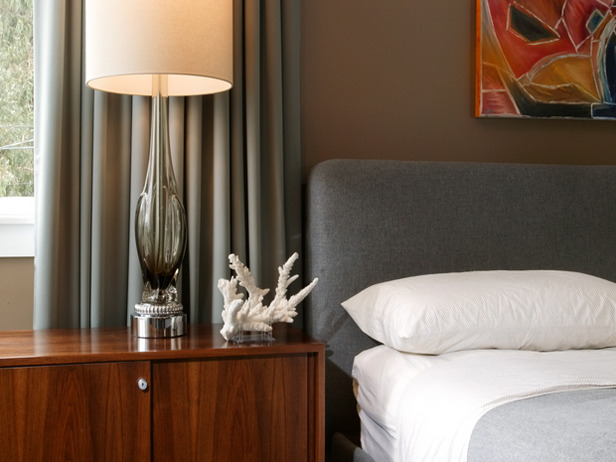
Use The 60 30 10 Rule Ra2d

How The 60 30 10 Rule Saved The Day By Ayobami Adelugba Ux Collective

60 30 10 Rule In Interior Design Decor Usage Elements Natty Decor

Borrow The 60 30 10 Rule Of Interior Designers For Your Diy Painting Room Painting Color Tips And Tricks
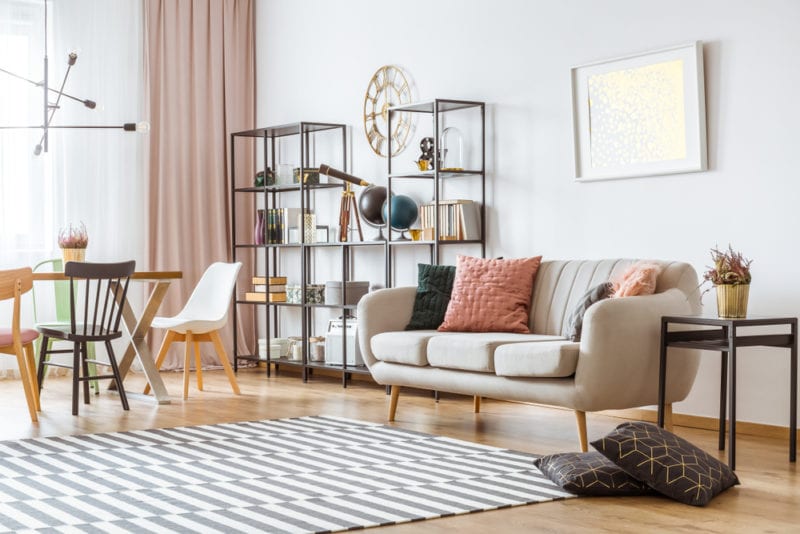
These Are The 4 Color Rules That Every Interior Design Fan Needs To Know

Wip How To Create Exciting Color Schemes Fbl2 Clara Nartey Unlock Your Creative Potential
60 30 10 Rule Diamond Vogel
Designer Tips Volume 2 Color Mistakes 60 30 10 Rule

Balancing Room Colors The 60 30 10 Design Rule

The 60 30 10 Color Rule What You Should Know Point2 News
:max_bytes(150000):strip_icc()/easy-color-schemes-from-color-wheel-797784_V4-51db985b605c49e29ee1f6186d6ec258.png)
How To Use The 60 30 10 Color Rule In Your Home
60 30 10 Rule In Home Decor 25 Ideas Digsdigs
All You Need To Know About Colors In Ui Design Theory Practice By Christian Vizcarra Ux Collective

Joe Human 5 60 30 10 Rule If You Ve Chosen Three Colors Use The 60 30 10 Rule Your Main Primary Color Should Constitute 60 Of Your Brand Color Your Secondary 30 And Your
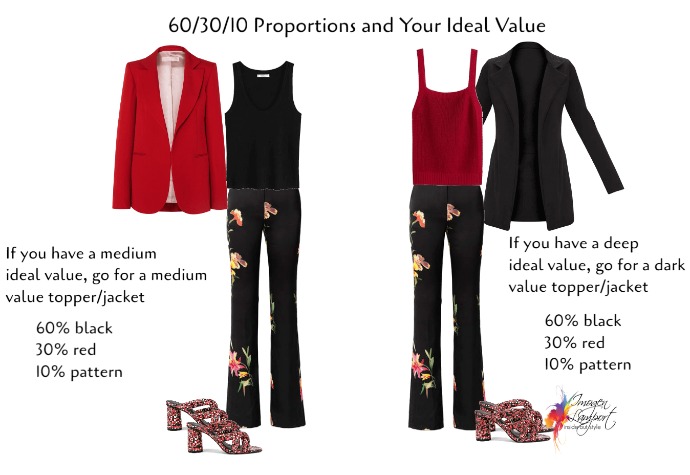
Using The 60 30 10 Rule To Create Fabulous Colour Combinations In Your Outfits
6 Simple Tips On Using Color In Your Design By Nick Babich Ux Planet
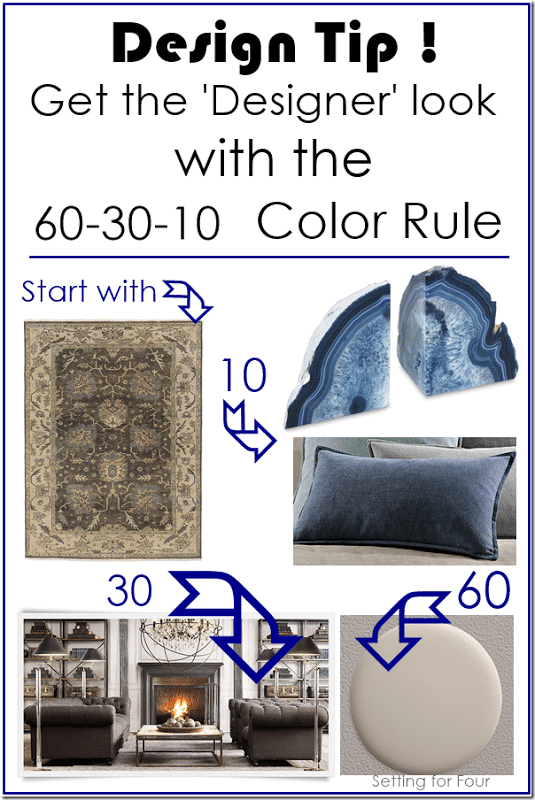
Design Tip The 60 30 10 Color Rule Setting For Four

Handpicked Tips And Tricks For Interior Design Projects Black Panther

How To Choose The Perfect Interior Color Scheme The Best Pro Tips Part Ii Design Blog Oli Interior Desig Interior Color Schemes Interior Design Interior
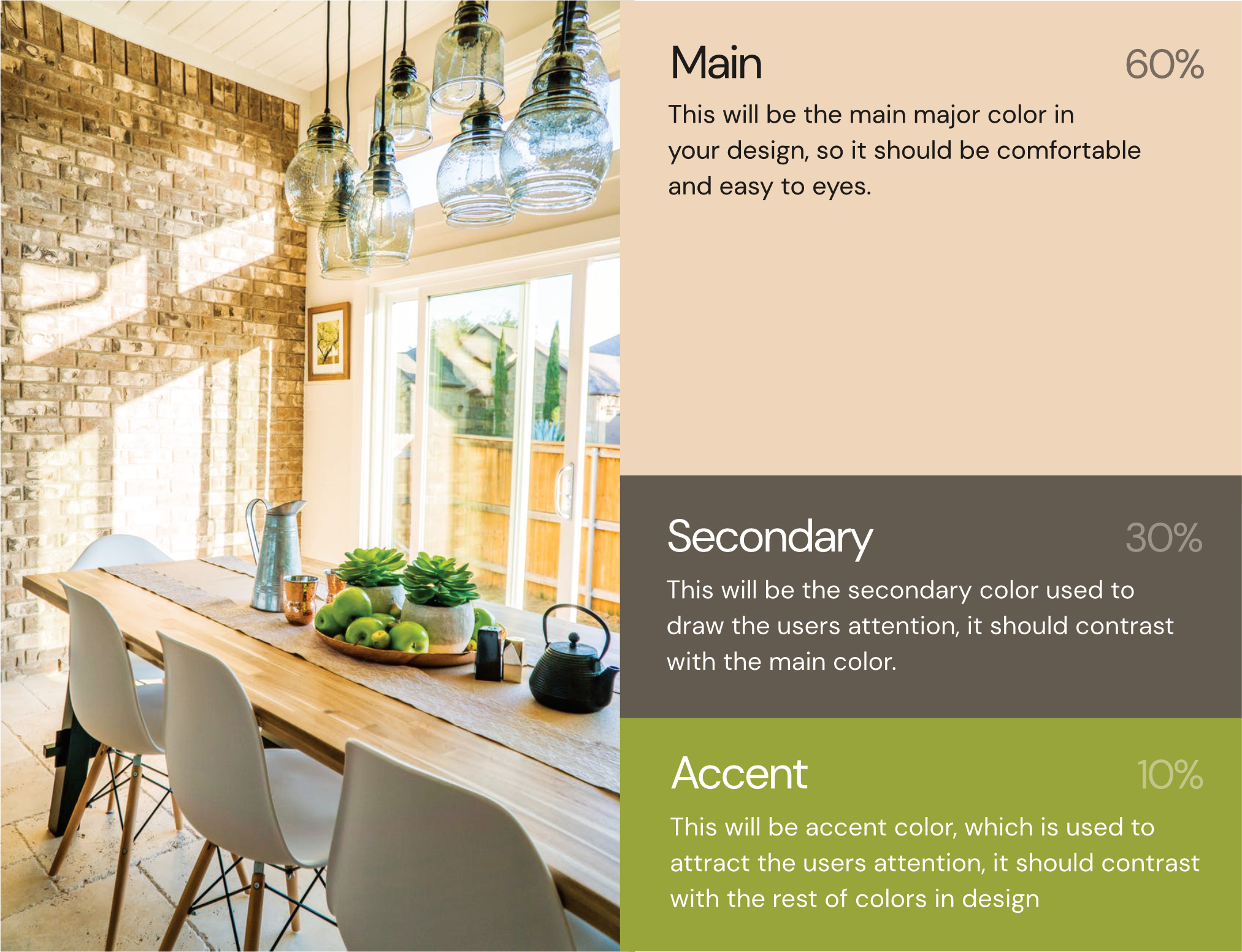
Mastering Colors In Ui Design Adding Colors To Your Design Can Be A By Kapil Moon Ux Collective
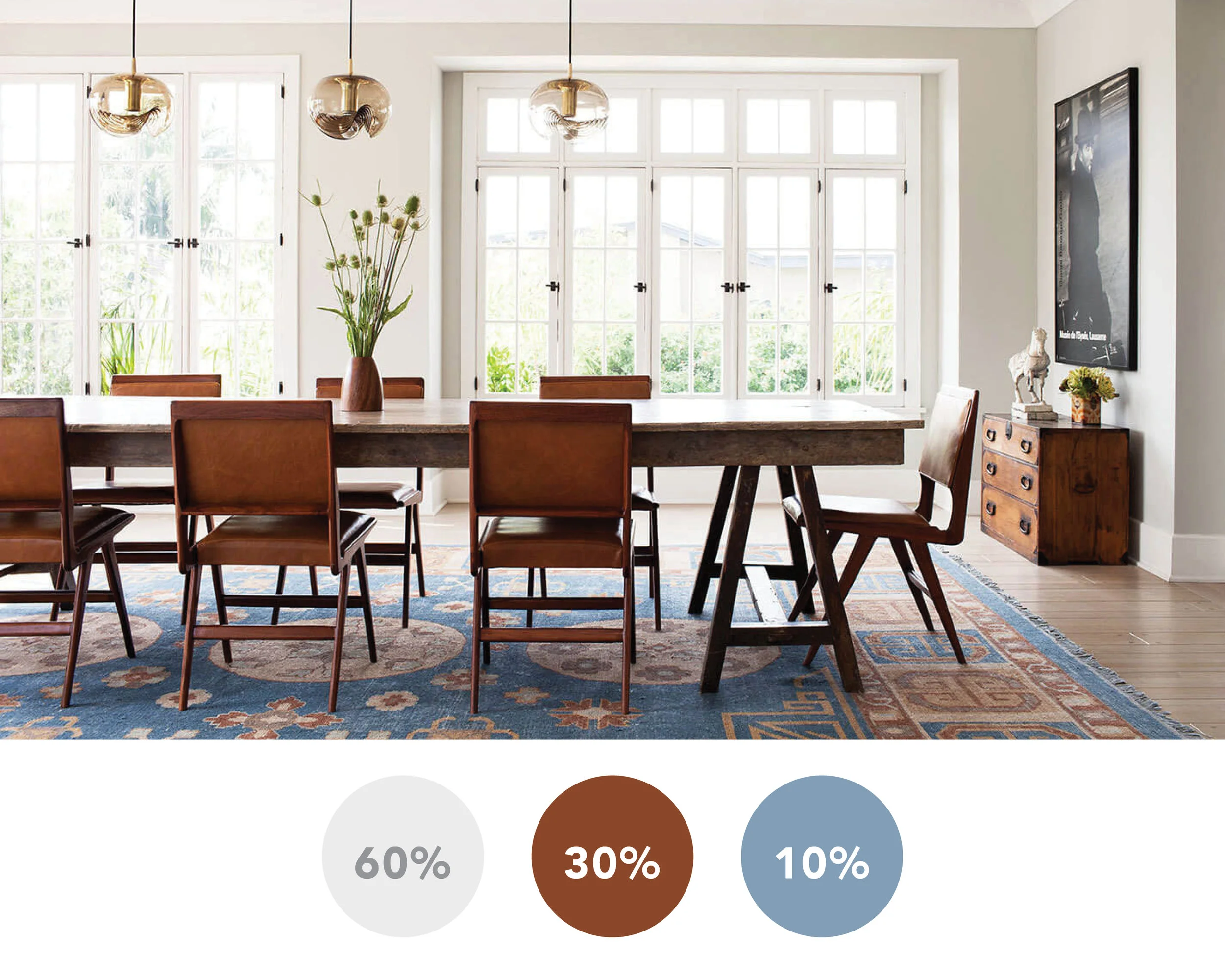
Color Your Room With Confidence The 60 30 10 Rule The Fairmount Flat

60 30 10 Rule Affordable Interior Design Design Rules Interior Design School

The 60 30 10 Rule Mmicreative Com
Q Tbn And9gcqartqwxnaz Di Thbvkmyaru92lr42hgehffvpziw Vyewsiyj Usqp Cau
Color Psychology And 60 30 10 Rule In Graphic Design

Choose A Color Scheme Using The 60 30 10 Rule

The 60 30 10 Color Rule In Interior Decotation Bamboo Architecture Decorating Rules Paint Color Inspiration Interior Design Guide

The Ultimate Guide To Creating A Color System For Your Website And Business My Billie Designs
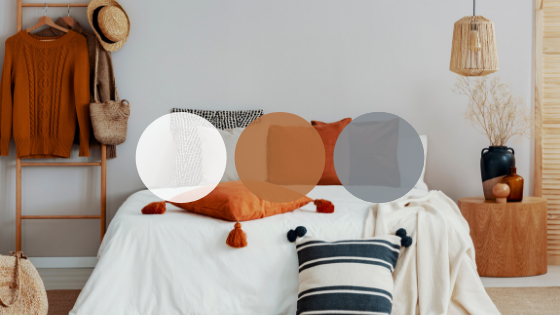
Interior Design Color Theory Everything You Need To Know About The 60 30 10 Rule First Heritage Mortgage

Adding Color 60 30 10 Rule Armstrong Painting Roofing And Windows

The 60 30 10 Color Rule Confettistyle
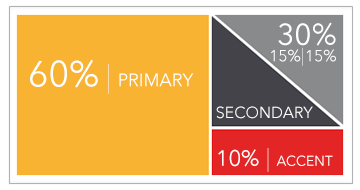
The 60 30 10 Rule Mmicreative Com

Color Trends 60 30 10 Rule Undullify

How To Create A Monochromatic Color Scheme Warm Color Schemes Monochromatic Color Scheme Bedroom Color Schemes
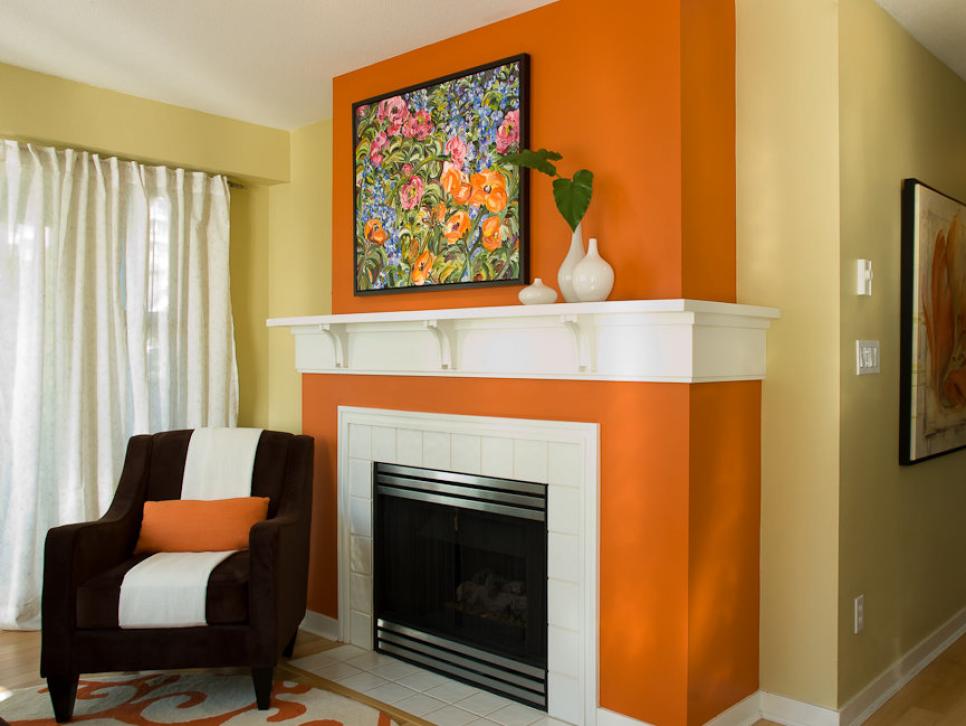
Color Theory 101 Analogous Complementary And The 60 30 10 Rule Hgtv

60 30 10 Rule In Interior Design Decor Usage Elements Natty Decor

Space Planning Design 103 Choosing Colors Fabrics And Finishes Ideas Inspiration From Demco

Color Psychology And 60 30 10 Rule In Graphic Design

Infographic How To Use The 60 30 10 Color Rule Floor Coverings International North Jersey
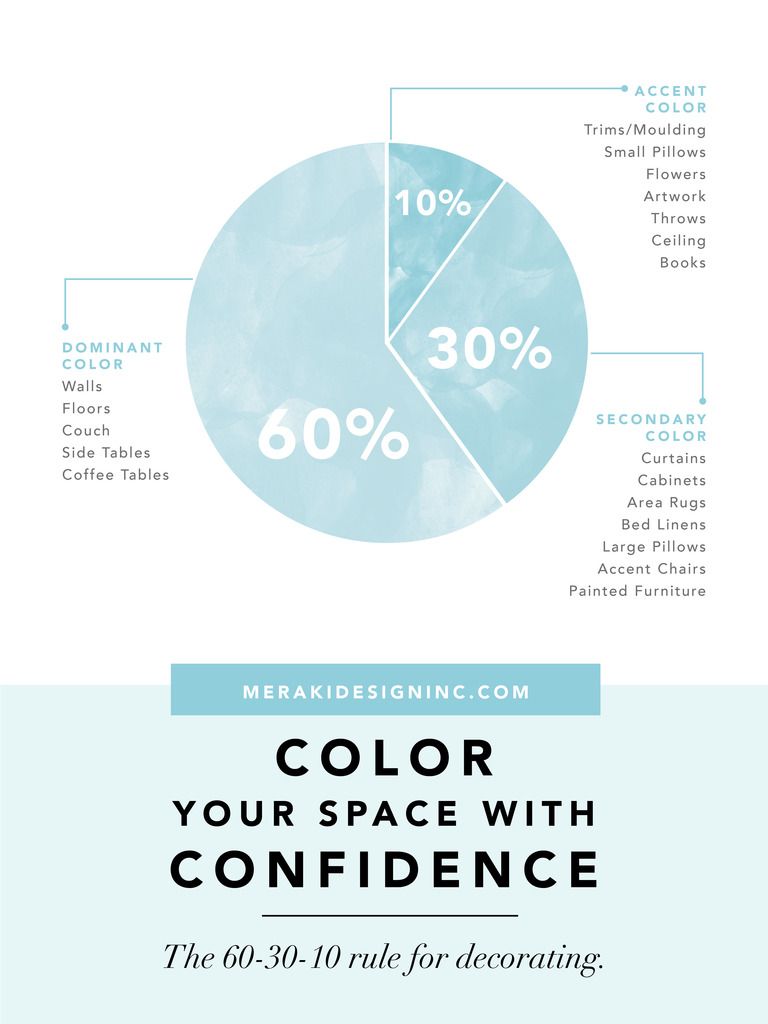
Color Your Room With Confidence The 60 30 10 Rule The Fairmount Flat

The 60 30 10 Color Rule Welsh Design Studio

Choosing A Color Scheme 60 30 10 Rule Elephantstock


